2025 Top Sleeve Anchors Guide for Secure and Efficient Construction
In the realm of construction, safety and efficiency are paramount, and choosing the right fasteners plays a critical role in achieving these objectives. This guide focuses on sleeve anchors, a versatile and reliable solution for securing various fixtures to concrete, brick, and masonry surfaces. As construction projects become increasingly complex and demanding, understanding the mechanics and applications of sleeve anchors is essential for professionals in the field.
Sleeve anchors provide a robust option for a range of applications, from securing structural components to mounting equipment. Their unique design allows for superior load-bearing capacity while minimizing stress on the substrate material. As we delve into the 2025 Top Sleeve Anchors Guide, this introduction aims to equip builders and contractors with the knowledge to make informed decisions tailored to their specific project needs. Explore the innovative features and best practices associated with sleeve anchors to achieve optimal results in your construction endeavors.
Overview of Sleeve Anchors and Their Importance in Construction
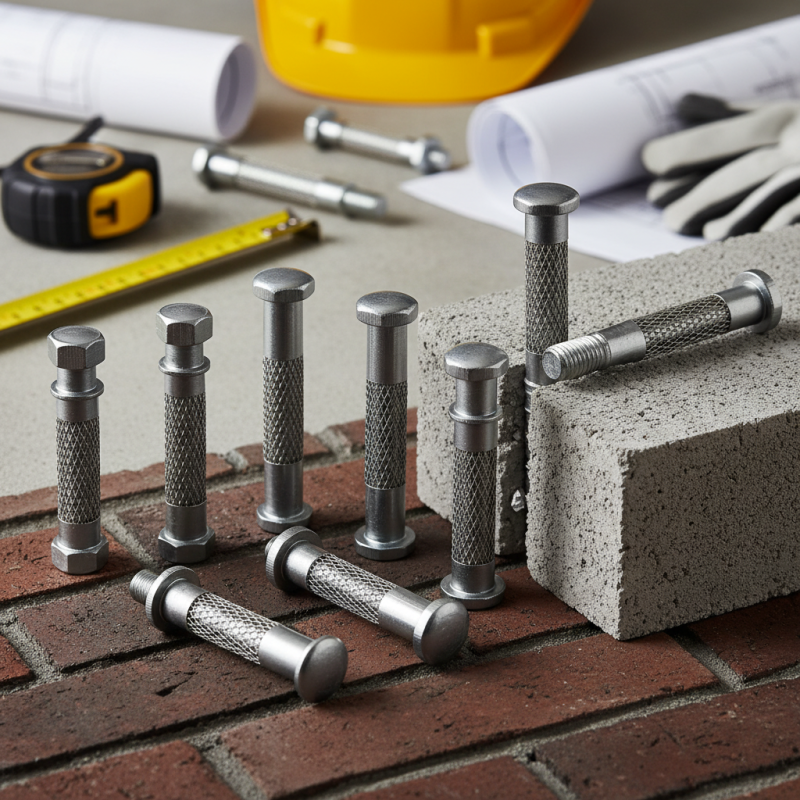
Sleeve anchors are a critical component in construction, providing reliable fastening solutions for a wide range of applications. These anchors consist of a threaded metal rod with an expansion sleeve that grips the material as it is tightened. Their design allows for secure attachment to concrete, brick, and block, making them versatile choices for both indoor and outdoor projects. This unique capability ensures that sleeve anchors can maintain integrity under various load conditions, which is essential for structural safety and durability.
The importance of sleeve anchors in construction cannot be overstated. In situations where traditional fasteners may fail or be insufficient, sleeve anchors offer enhanced strength and stability. They are particularly useful in heavy-load applications, such as securing structural steel, equipment, and fixtures. Additionally, sleeve anchors help minimize the risk of damage to surrounding materials during installation, making them ideal for sensitive environments. As the construction industry continues to evolve, the role of sleeve anchors is increasingly significant in achieving efficient and secure builds.
Types of Sleeve Anchors and Their Specific Applications
When it comes to construction, choosing the right type of sleeve anchor is crucial for ensuring both security and efficiency. Sleeve anchors are particularly versatile and can be used in a variety of materials, including concrete, brick, and masonry. Among the most common types are the expansion sleeve anchors, which work by expanding against the sides of the drilled hole as the bolt is tightened. These are ideal for medium to heavy loads and are often used in applications such as securing machinery or fastening railings.
Another notable type is the concrete sleeve anchor, which provides a reliable hold in high-strength applications. These anchors are specifically designed to be embedded into concrete, making them suitable for structural connections, especially in outdoor environments where exposure to elements can cause degradation. Furthermore, there are specialized sleeve anchors, such as those with a corrosion-resistant coating, suitable for applications in marine or highly corrosive environments. Understanding the specific uses and benefits of each type can greatly enhance the integrity of any construction project.
2025 Top Sleeve Anchors Guide for Secure and Efficient Construction
| Type of Sleeve Anchor |
Material |
Diameters Available |
Typical Applications |
Load Capacity (lbs) |
| Standard Sleeve Anchor |
Zinc-Plated Steel |
1/4", 3/8", 1/2" |
Concrete, Brick, Block |
500 - 1000 |
| Stainless Steel Sleeve Anchor |
Stainless Steel |
1/4", 3/8", 1/2" |
Outdoor Applications, Coastal Areas |
600 - 1200 |
| Heavy-Duty Sleeve Anchor |
Carbon Steel |
1/2", 5/8", 3/4" |
Industrial Applications |
1000 - 2500 |
| Expansion Sleeve Anchor |
Zinc-Coated Steel |
3/8", 1/2" |
Lightweight Structures |
300 - 800 |
| Low-Profile Sleeve Anchor |
Zinc-Plated Steel |
1/4", 3/8" |
Architectural Applications |
400 - 900 |
Installation Guidelines for Secure and Efficient Use of Sleeve Anchors
When it comes to the installation of sleeve anchors, proper guidelines are crucial for ensuring a secure and efficient construction process. Begin by selecting the appropriate sleeve anchor based on the specific requirements of your project, considering factors such as the base material, load capacity, and environmental conditions. It's essential to drill a clean hole using a hammer drill, maintaining the correct diameter and depth as indicated by the anchor specifications. This initial step lays a strong foundation for optimal performance.
Tips: Always wear protective gear while drilling to shield against dust and debris. Additionally, ensure that your drill bit is suitable for the material you’re working with, as this will significantly affect the installation quality.
Once the hole is prepared, insert the sleeve anchor and tighten it according to the manufacturer’s instructions. Be mindful of the torque specifications to avoid over-tightening, which can lead to anchor failure. Regularly check the alignment of the anchor during installation to prevent misalignment, which might compromise the structural integrity.
Tips: To enhance the grip of the sleeve anchor in concrete, consider using a silicone sealant around the anchor before insertion. This can help in reducing moisture ingress and increasing durability.
Factors to Consider When Choosing Sleeve Anchors for Projects
When selecting sleeve anchors for construction projects, several key factors must be taken into account to ensure secure and efficient installation. The base material is one of the most critical considerations. Sleeve anchors can be used in various substrates such as concrete, brick, and block, but the type and hardness of the material directly impact the anchor's performance. Evaluating the specific characteristics of the base material will help in choosing the appropriate anchor size and type.
Another essential factor is the load requirements of the project. Different applications demand different load ratings, which can influence the choice of sleeve anchor used. Factors such as shear and tensile loads should be carefully assessed to ensure that the selected anchors can handle the intended forces over time. Additionally, it is vital to consider environmental conditions; for outdoor projects or areas prone to moisture, opt for corrosion-resistant materials to prolong the lifespan of the anchors. By addressing these factors, builders can significantly enhance the reliability and durability of their construction projects.
2025 Sleeve Anchors Selection Analysis
Maintenance and Inspection Practices for Long-lasting Sleeve Anchors
Regular maintenance and inspection of sleeve anchors are crucial for ensuring their longevity and reliability in construction projects. Over time, environmental factors, load stress, and substrate conditions can affect the integrity of anchors. Therefore, it is essential to establish a routine inspection schedule, checking for signs of corrosion, excessive wear, or any visible damage. Inspecting the surrounding area for cracks or deterioration in the base material is equally important, as these issues can compromise the effectiveness of the anchor.
In addition to visual inspections, performing functional tests is vital to verify the load-bearing capacity of the anchors. This may involve applying stress to the anchorage system to ensure that it responds within expected limits. Furthermore, cleaning and reapplying protective coatings can help mitigate corrosion and extend the lifespan of sleeve anchors. Keeping detailed records of inspections and maintenance activities will aid in tracking their performance over time and identifying any patterns that may indicate the need for replacement or further action. Implementing these practices can significantly enhance the safety and dependability of construction projects utilizing sleeve anchors.