2026 Top Lifting Anchors Guide for Global Buyers?
As the global construction industry evolves, the demand for efficient and reliable lifting solutions continues to grow. According to the "Global Lifting Equipment Market Report 2022," the lifting equipment sector is projected to expand at a CAGR of 5.6% through 2026. This growth highlights the increasing importance of high-quality lifting anchors, which play a crucial role in ensuring safety and efficiency on job sites.
Lifting anchors serve as essential components for securing loads during lifting operations. Their effectiveness directly impacts the safety of workers and the integrity of structures. However, with various types and specifications available, selecting the right lifting anchors can be challenging for buyers. Insights from industry experts indicate that inadequate knowledge on material specifications and load ratings often leads to costly mistakes. A comprehensive understanding of lifting anchors is vital for any decision-maker in the construction field.
In this guide, we delve into the essential factors to consider when selecting lifting anchors. We will explore key market trends, best practices in anchor selection, and the latest innovations. By addressing these topics, we aim to empower buyers with the knowledge necessary to make informed choices. The stakes are high, and understanding the nuances of lifting anchors can significantly enhance project safety and efficiency.
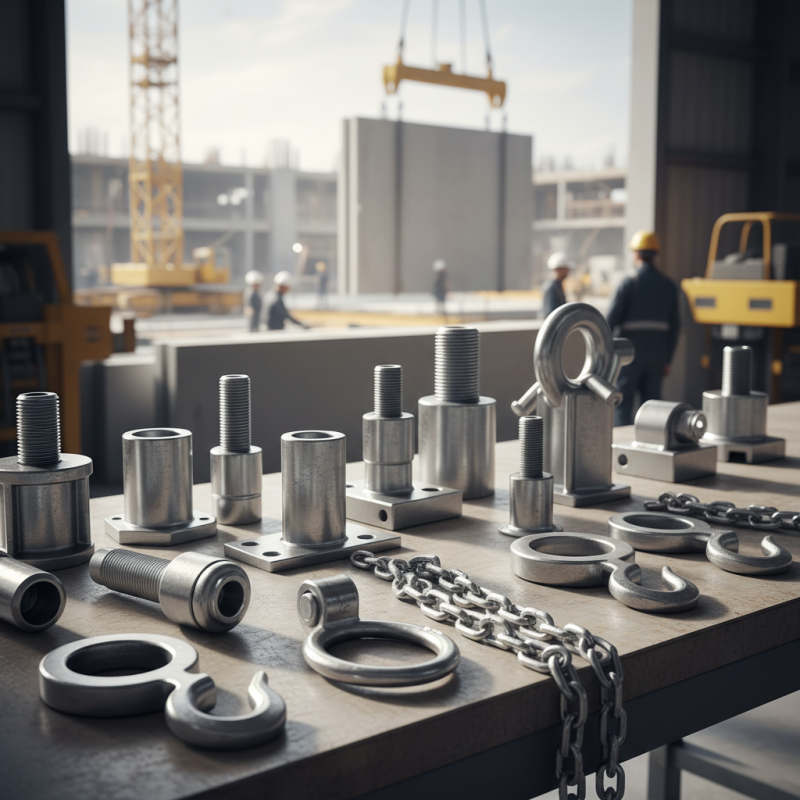
Overview of Lifting Anchors: Types and Applications
Lifting anchors play a crucial role in various industries, such as construction and marine applications. These devices come in several types, including screw anchors, drive anchors, and wedge anchors. Each type has specific applications tailored to different materials and load requirements.
Data from the International Association of Foundation Drilling indicates that screw anchors are widely used for their reliability in supporting vertical loads. They can handle tension loads up to 40 kips under ideal conditions. On the other hand, wedge anchors provide exceptional grip in concrete, making them suitable for heavy machinery installations. A notable report from the Construction Industry Institute found that nearly 30% of construction failures are linked to improper anchoring methods.
While the variety of lifting anchors offers versatility, selecting the right type remains challenging. Factors such as soil conditions, environmental factors, and load capacities need close attention. Not all anchors perform equally in every scenario. Users must understand these nuances to avoid costly mistakes and ensure safety. Emphasizing proper training and regular inspections can significantly enhance reliability in anchor performance.
Key Considerations for Selecting Lifting Anchors Globally
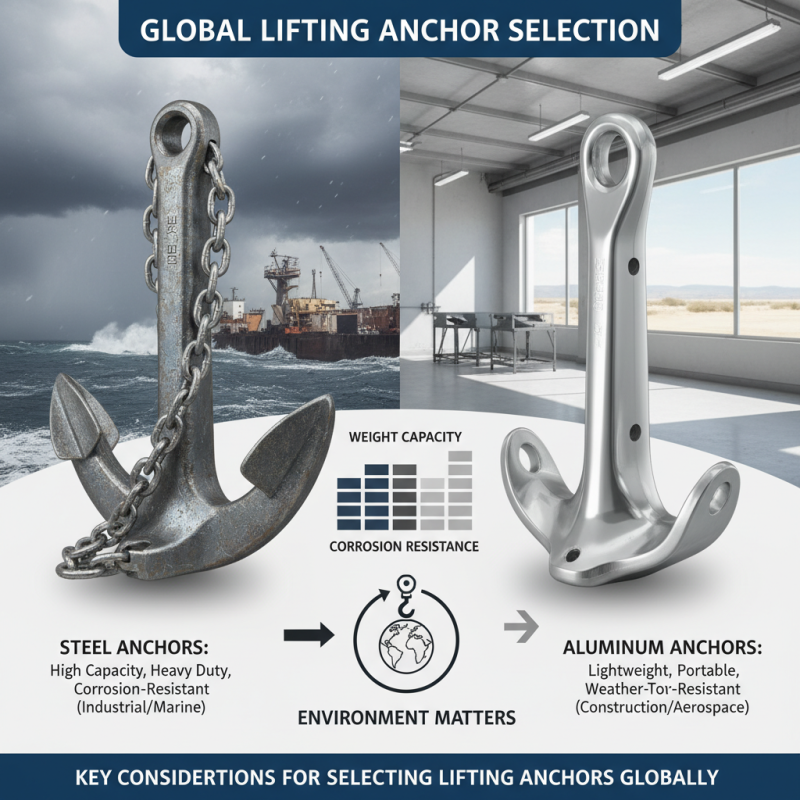
When selecting lifting anchors globally, several key considerations arise. The material of the anchor is paramount. Common options include steel and aluminum. Each has its own weight capacity and corrosion resistance. Steel generally offers stronger performance, but it can be heavier. Consider your environment. Will your anchors face harsh weather? If so, choose materials that withstand such conditions.
Another factor is the load requirements. Understand the weight of the objects being lifted. Ensure that the selected anchor meets or exceeds necessary specifications. Test your choices in a controlled environment when possible. Safety standards vary by region, and compliance is crucial. Research local regulations to ensure your selection aligns with these guidelines.
Lastly, evaluate the installation process. Simpler setups might reduce errors but could compromise stability. Some anchors require skilled installation. Invest time in training teams to ensure safety. Reflect on past experiences to improve future selections. Recognizing previous mistakes can lead to better outcome in anchor choice and usage. Always aim for constant improvement in procedures and standards.
Top Manufacturers of Lifting Anchors in 2026
In the evolving world of construction and engineering, lifting anchors play a pivotal role. A recent market analysis reported that the global lifting anchor market size was valued at approximately $2.5 billion in 2022. By 2026, it is expected to reach $3.2 billion, growing at a CAGR of 5.5%. This growth reflects the increasing demand for reliable and robust lifting solutions across various sectors, including maritime and construction.
Top manufacturers of lifting anchors are continually innovating. They are investing in advanced materials and technologies, ensuring higher safety standards and operational efficiency. Data indicates that around 40% of industry leaders are focusing on sustainable practices. This shift not only enhances their competitive edge but also meets the growing demand for eco-friendly products. However, several challenges remain. Many manufacturers struggle with supply chain disruptions and fluctuating raw material prices. These issues can impact production schedules and ultimately the availability of lifting anchors in the market.
Quality control is crucial for these manufacturers. Reports show that nearly 30% of lifting anchor failures stem from poor quality assurance processes. To mitigate risks, companies must ensure stringent testing protocols and adherence to global safety standards. Some firms might overlook these practices in favor of cost-cutting measures, which poses significant risks to both workers and projects. As the industry grows, addressing these pitfalls becomes essential for maintaining trust and reliability in the lifting anchors sector.
Safety Standards and Certifications for Lifting Anchors
When discussing lifting anchors, safety standards and certifications are paramount. These ensure the products meet rigorous testing and safety protocols. Key certifications vary by region. They often include international standards like ISO and regional compliance marks. Adhering to these can significantly reduce risks during operations.
Some manufacturers may claim compliance without third-party verification. It's crucial for buyers to seek transparency in certification. Reliability in lifting anchors often stems from a manufacturer's proven track record. Consider their experience in the field and the feedback from previous users. This can guide decisions on which products to trust.
Regulations can change quickly. Keeping up with the latest guidelines is essential. Recognizing discrepancies in safety practices among brands may lead to costly mistakes. Not all suppliers prioritize safety equally. Buyers should conduct thorough research. This includes verifying certifications and understanding the materials used in anchors. Ensuring every lifting anchor adheres to established safety standards protects both workers and equipment.
2026 Lifting Anchors Safety Standards Comparison
Future Trends in Lifting Anchors: Innovations and Technologies
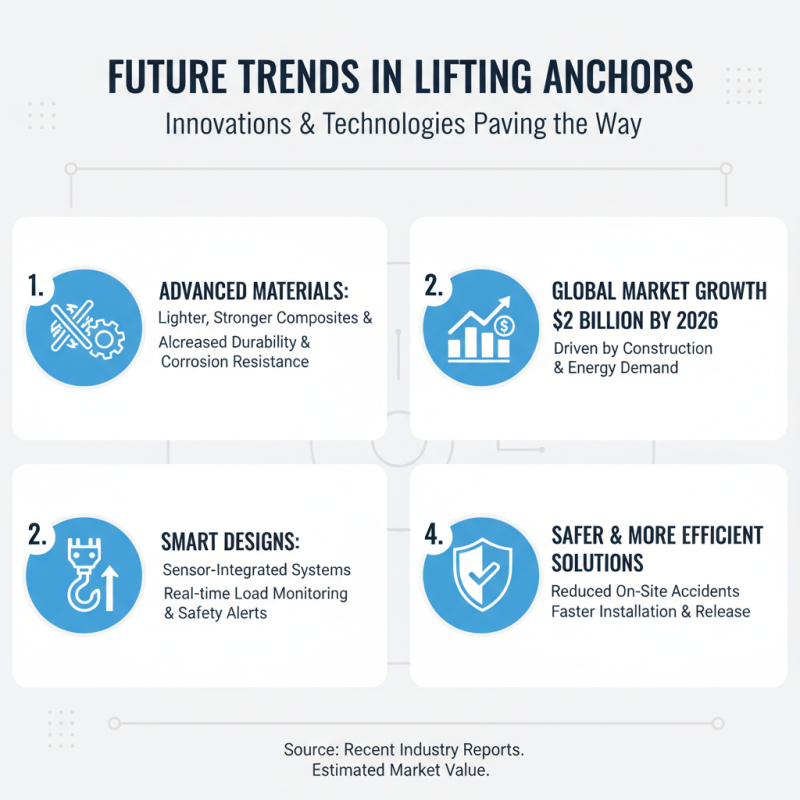
The lifting anchor market is evolving rapidly. Innovations in materials and design are paving the way for safer and more efficient solutions. According to recent industry reports, the global lifting anchor market is expected to reach $2 billion by 2026, driven by advancements in technology and increased demand in construction and energy sectors.
New technologies are enhancing the strength and reliability of lifting anchors. For example, high-performance synthetic materials offer lightweight alternatives to traditional metals. These materials can endure higher loads and reduce wear over time. Reports indicate that anchors made from these composites can extend service life by up to 30%. Integrating smart sensors into lifting anchors is another emerging trend. These sensors can monitor stress and alert operators to potential failures.
Despite these improvements, challenges remain. Quality control and manufacturing consistency are critical. Ensuring that new materials meet safety standards requires rigorous testing and certification processes. Additionally, as designs evolve, it is essential to train personnel appropriately to handle new technologies effectively. The future of lifting anchors is promising, but ongoing reflection on safety and innovation is necessary.