What is an Anchor Bolt and How is it Used?
Anchor bolts are essential components in construction and engineering. They secure structures to their foundations, ensuring stability and safety. According to a report from the Construction Industry Institute, approximately 30% of structural failures can be traced back to inadequate anchoring methods. This highlights the critical role of anchor bolts in preventing costly disasters.
Dr. Emily Chen, a leading expert in structural engineering, notes, "The performance of anchor bolts directly influences the resilience of buildings." Her research emphasizes the importance of selecting the right type of anchor bolt for each application. Each bolt must be engineered to handle specific loads and environmental factors.
Despite their importance, many projects overlook proper installation and inspection of anchor bolts. This can lead to long-term issues within structures. Investing in quality anchor bolts and adhering to industry standards cannot be understated. As engineers and builders, we must continually reflect on our methods to improve safety and reliability in construction.
Definition and Purpose of Anchor Bolts
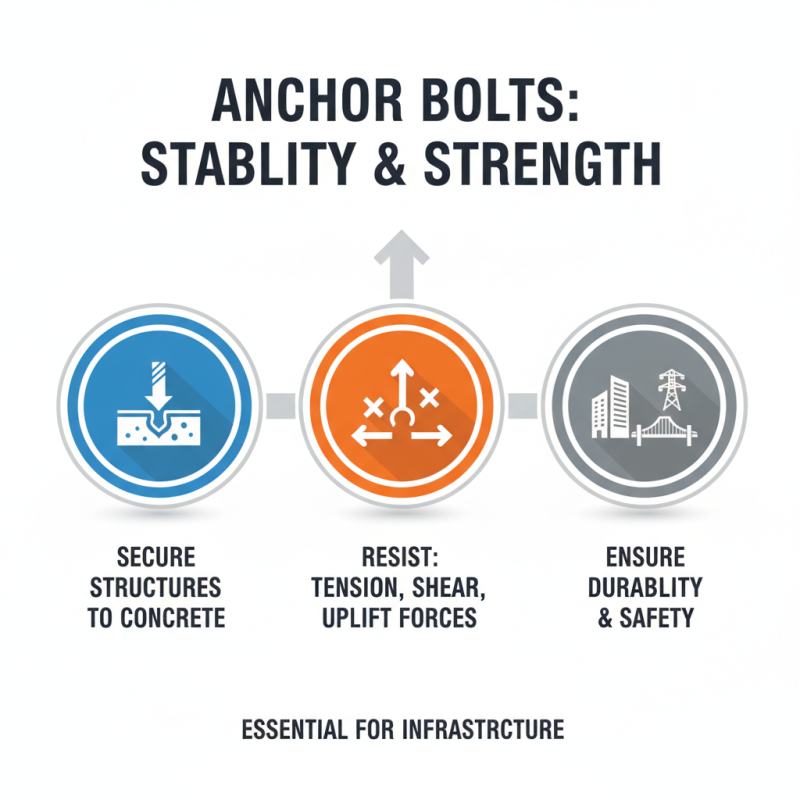
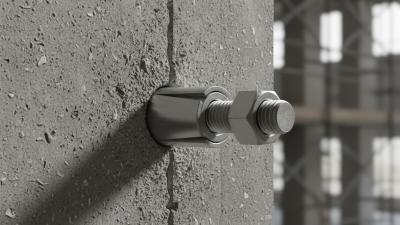
Anchor bolts are essential components in construction and structural engineering. They secure structures to concrete foundations, providing stability and strength. The primary purpose of anchor bolts is to resist various forces such as tension, shear, and uplift. They play a critical role in ensuring that buildings, bridges, and other infrastructures remain safe and durable over time.
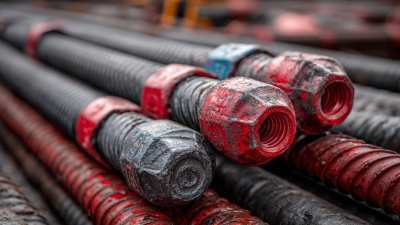
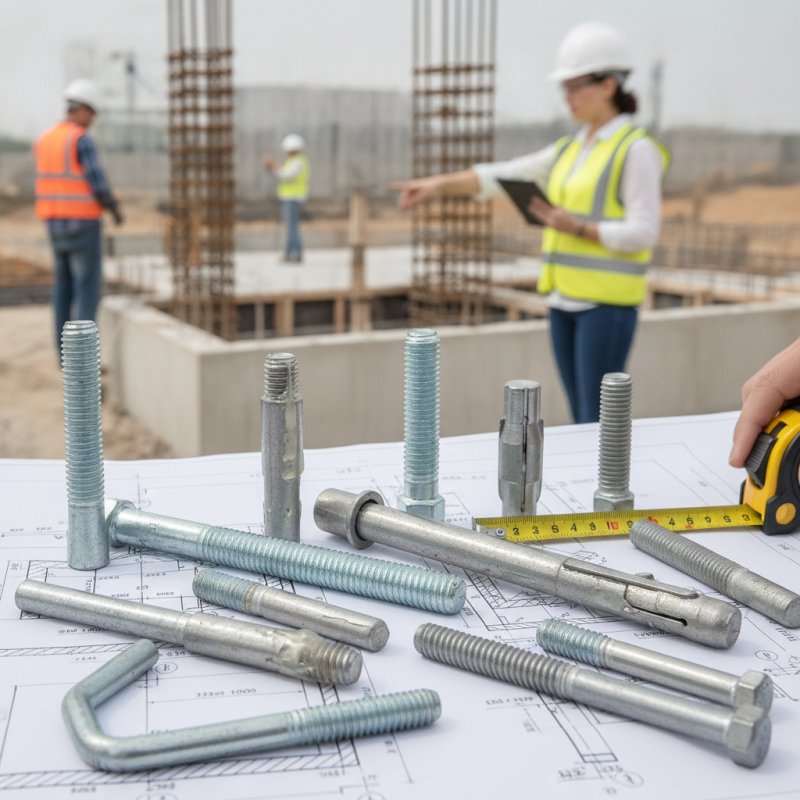
These bolts come in various sizes and shapes, designed for specific applications. For example, some have a hook at one end to grip better in concrete, while others may have a plate for added support. Proper installation is vital. Incorrectly installed anchor bolts can lead to structural failures. Construction teams must follow detailed guidelines and standards to ensure they are used effectively.
Understanding anchor bolts is fundamental in the construction industry. They serve as the backbone for securing major structures. Professionals must remain vigilant about their installation and maintenance. An overlooked detail can lead to serious consequences, reminding us that precision is key in engineering practices.
Types of Anchor Bolts and Their Applications
Anchor bolts are vital components in construction and structural engineering. They secure structures to concrete elements. Different types of anchor bolts serve various applications.
One common type is the mechanical anchor bolt. This type is often used in heavy machinery and structural connections. Its design allows for high load capacities. However, installation must be precise. If improperly installed, the bolt may fail under stress.
Another type is the chemical anchor bolt. This involves using a resin to bond the bolt to concrete. It can adapt to various loads and conditions. Yet, the curing time can be long. This might delay project timelines.
Different applications for anchor bolts exist. In bridge construction, these bolts ensure stability. In building frameworks, they provide essential support. Each type has limitations. Understanding these helps improve safety and efficiency. Therefore, selecting the right anchor bolt is critical for successful structural integrity.
Installation Process of Anchor Bolts
The installation process of anchor bolts is critical for structural integrity.
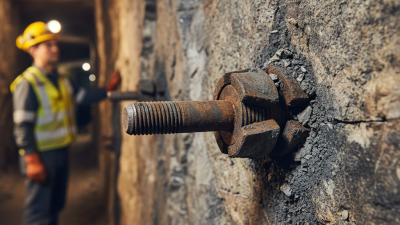
Proper placement ensures safety and stability in various applications. Anchor bolts are typically embedded into concrete or masonry.
This forms a strong connection between a structure and its foundation.
When installing, the first step is to determine the appropriate type and size of the anchor bolt.
According to the International Code Council, using the correct specifications can reduce failure rates by over 30%.
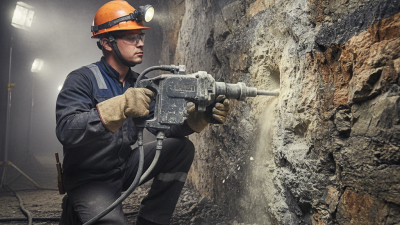
Drill holes into the concrete where bolts will be placed. Clean dust and debris from these holes; this enhances adhesive strength.
Next, the bolts should be properly positioned and aligned before securing.
It's essential to monitor torque settings. Over-tightening can lead to bolt failure. Inspection of the installation is crucial.
Studies show that over 25% of anchor failures are due to improper installation.
Consistent checks can prevent future issues. Taking these steps is vital for long-lasting structural support.
Best Practices for Using Anchor Bolts
Anchor bolts are essential in securing structures to their foundations. Proper usage of these bolts impacts the strength and stability of buildings. According to industry reports, a significant percentage of structural failures relate to improper anchor bolt installation. Following best practices is vital to avoid costly repairs and ensure safety.
One best practice is to select the right type of anchor bolt for the job. There are several varieties, including mechanical and chemical anchors. Each type serves different purposes and load-bearing requirements. For instance, heavy machinery often requires more robust anchor solutions. Using bolts that match the specific demands leads to safer, more reliable installations.
Moreover, ensuring proper torque settings during installation is crucial. Under-torqued bolts may not provide the necessary holding force. Over-torqued bolts can fail or become compromised. Regular training programs for installation teams can lead to better understanding and execution of these standards. Investing time in such training reduces risks associated with anchor bolts, which is essential in today's construction landscape.
Common Issues and Solutions with Anchor Bolts
Anchor bolts are critical for securing structural elements to concrete. However, several common issues can arise with their use. One frequent problem is improper installation. If the bolts are not installed at the correct depth or angle, they may not hold as intended. This misalignment can lead to failure under load, potentially causing serious safety concerns.
Corrosion is another significant issue affecting anchor bolts over time. In environments with high moisture or exposure to harsh chemicals, rust can develop. This weakens the bolt’s integrity and can compromise the entire structure. Regular inspections and maintenance can help mitigate these risks. Applying protective coatings is also effective in extending the life of anchor bolts.
Finally, a lack of communication among contractors may lead to misunderstandings regarding specifications. When engineers and installers do not align, it increases the risk of using incorrect bolt sizes or types. All parties must review the plans thoroughly to avoid mistakes. Addressing these common issues can lead to safer and more robust structural designs.
Anchor Bolt Usage and Common Issues