Understanding the Role of Anchor Bolts in Modern Construction Techniques
Anchor bolts are a fundamental component in modern construction techniques, providing critical anchorage for structural elements. According to the 2022 Construction Industry Report, the global market for anchor bolts is projected to reach $3.5 billion by 2026, reflecting a growing recognition of their importance in ensuring structural integrity and safety. These bolts, which secure structures to concrete foundations, play a crucial role in resisting various loads, including wind and seismic forces. As the construction industry continues to embrace innovative methodologies, understanding the strategic use of anchor bolts becomes essential for engineers and project managers alike. Their application not only enhances the durability of structures but also complies with stringent safety regulations, underscoring why effective utilization of anchor bolts is pivotal in contemporary construction practices.
The Significance of Anchor Bolts in Structural Integrity and Stability
Anchor bolts play a crucial role in ensuring the structural integrity and stability of modern construction. These fasteners secure various structural elements, such as beams, columns, and walls, to foundations and other load-bearing surfaces. By providing the necessary connections between different parts of a structure, anchor bolts help distribute loads evenly, minimizing the risk of structural failure. Their ability to withstand dynamic forces, like those experienced during seismic events or high winds, makes them indispensable in designing safe and reliable buildings.
Moreover, the correct selection and installation of anchor bolts are vital for maintaining a structure's longevity and performance. Different types of anchor bolts, such as L-shaped or straight rods, are used depending on the specific requirements of the project, including the materials involved and environmental conditions. Ensuring that these fasteners are appropriately sized, placed, and embedded within the foundation is essential to enhance the overall stability of the construction. As modern building techniques continue to evolve, the significance of anchor bolts remains a fundamental component in achieving safe and resilient structures.
Understanding the Importance of Anchor Bolts in Construction
This bar chart illustrates the key performance metrics of anchor bolts used in modern construction techniques, including shear strength, tensile strength, corrosion resistance, installation time, and cost. Understanding these metrics is crucial for ensuring structural integrity and stability in construction projects.
Types of Anchor Bolts and Their Specific Applications in Construction
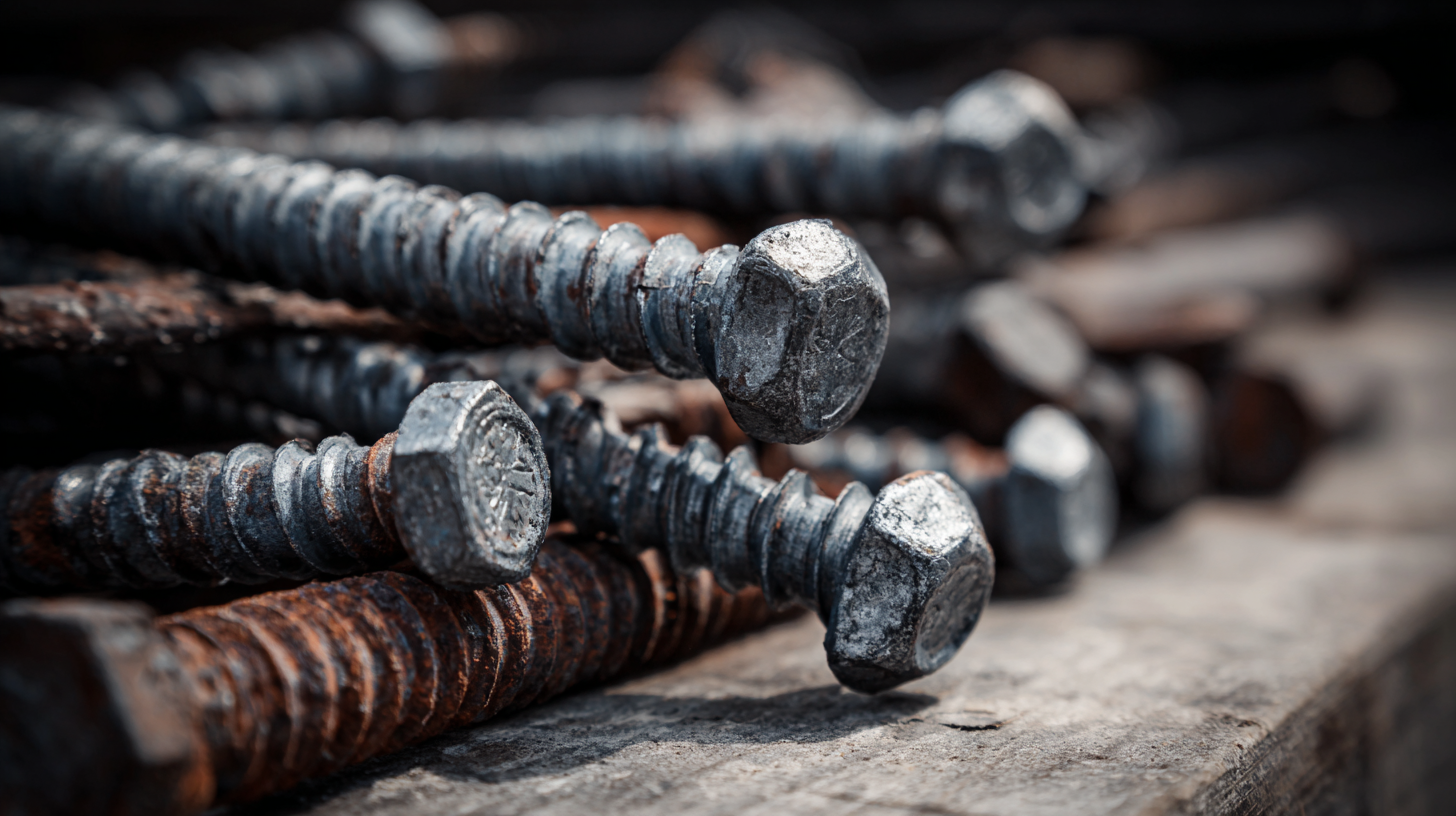 Anchor bolts are critical components in modern construction, providing stability and strength to structures by securing them to their foundations. There are various types of anchor bolts, each designed for specific applications based on the load requirements and environmental conditions. Common types include headed bolts, L-shaped bolts, and epoxy-coated bolts. According to the American Institute of Steel Construction (AISC), the correct selection of anchor bolts can enhance the load-bearing capabilities of a structure while minimizing the risk of failure.
Headed anchor bolts are often used in concrete applications where high tension is needed, such as in high-rise buildings and bridges. On the other hand, L-shaped anchor bolts are beneficial in applications involving shear forces, making them ideal for securing columns and machinery bases. Recent industry reports indicate that using epoxy-coated bolts in corrosive environments can extend the lifespan of the structure by 25% or more, significantly reducing maintenance costs. As construction techniques continue to evolve, understanding and correctly implementing various types of anchor bolts will remain vital for ensuring the safety and durability of modern infrastructure projects.
Installation Techniques for Anchor Bolts: Best Practices and Considerations
The installation of anchor bolts is a crucial process in modern construction techniques, requiring precision and adherence to best practices to ensure structural integrity. According to the American Concrete Institute (ACI), approximately 70% of structural failures can be traced back to improper anchorage systems. Therefore, understanding the best practices for anchor bolt installation is essential for construction professionals. Proper placement, including the consideration of embedment depth and spacing, is critical; ACI recommends specific minimum embedment depths based on bolt diameter and loading conditions to enhance overall stability.
When it comes to installation techniques, it is vital to account for factors such as the substrate material and environmental conditions. The International Code Council (ICC) emphasizes that a pre-installation inspection should be conducted to assess the substrate's hardness and moisture levels. This ensures the chosen anchors are compatible with the concrete or masonry material. Additionally, the use of torque wrenches to ensure the correct tension on the bolts can reduce the risk of failures significantly—data from the American Institute of Steel Construction (AISC) notes that properly torqued bolts can increase load capacity by up to 30%. Implementing these considerations not only promotes safety but also enhances the longevity of structures.
Innovations in Anchor Bolt Design for Enhanced Performance
In recent years, anchor bolt design has seen significant innovations aimed at enhancing structural performance and safety in construction. According to a report from the American Concrete Institute (ACI), modern anchor bolts are being engineered to handle increased loads and seismic activity, which are critical factors in earthquake-prone areas. The adoption of advanced materials, such as high-strength steel and corrosion-resistant coatings, has led to bolts that not only provide superior holding power but also longevity, reducing the need for frequent replacements.
Additionally, the incorporation of computer-aided design (CAD) and finite element analysis (FEA) in the development of anchor bolts allows engineers to simulate conditions and optimize bolt placement. A 2022 report by the International Journal of Structural Engineering highlighted how these technologies have resulted in a 20% improvement in load-bearing capacity for anchor bolts in high-rise buildings. This evolution in design not only meets contemporary building codes but also fosters innovative construction techniques, ultimately leading to safer and more resilient structures.
Challenges and Solutions in Anchor Bolt Implementation in Modern Projects
The implementation of anchor bolts is a crucial aspect of modern construction, particularly given the increasing complexity of building designs and materials. One significant challenge faced by engineers is ensuring the proper alignment and installation of these bolts, which are essential for connecting structural components to concrete foundations. Misalignment can lead to structural weaknesses, increased costs for corrective measures, and delays in project timelines. Additionally, variations in soil conditions and environmental factors can affect the performance of anchor bolts, necessitating more rigorous site assessments and customized solutions.
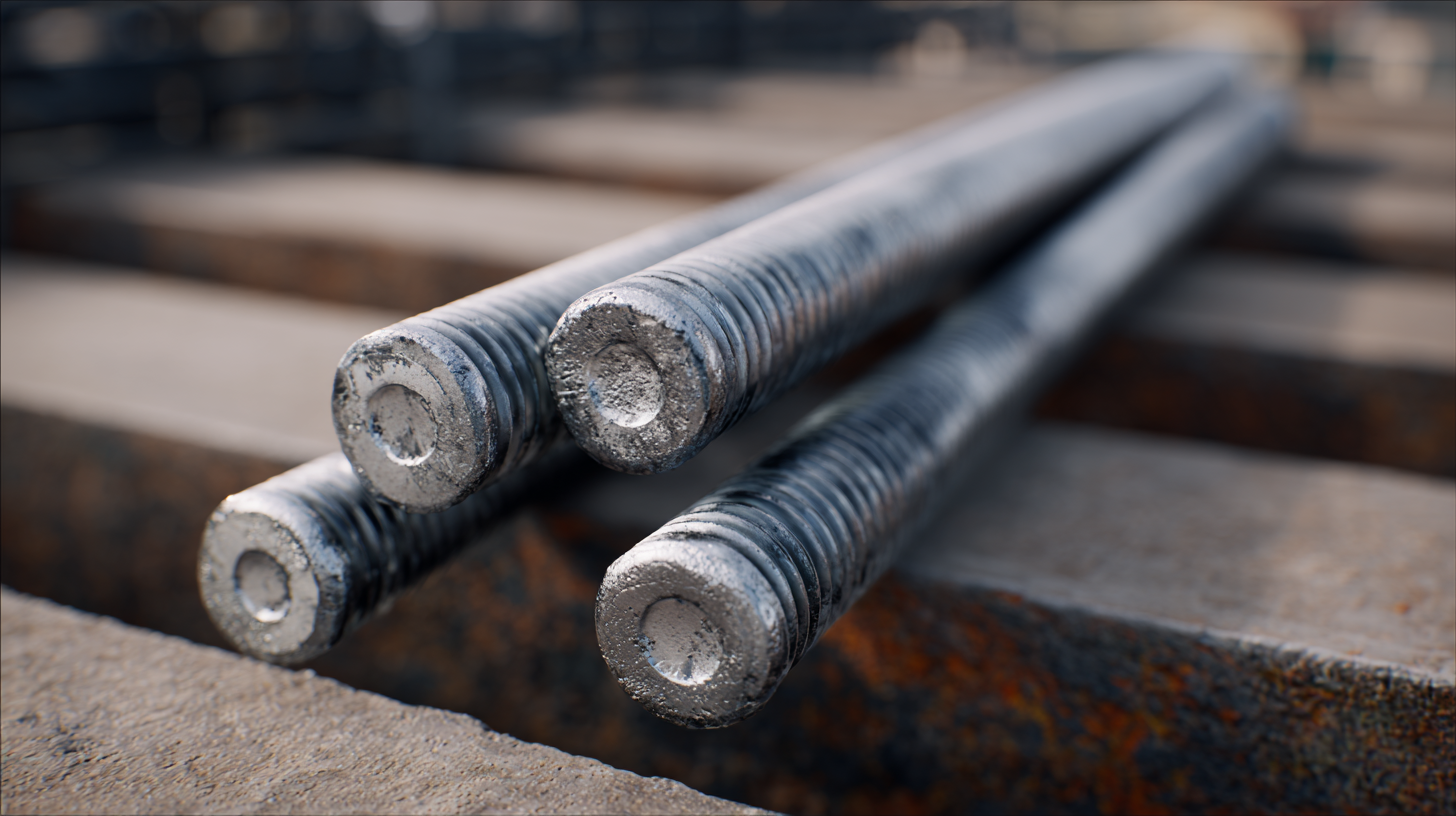
To address these challenges, construction teams are increasingly adopting advanced technology and methods. For instance, the use of robotic systems and drones can aid in precise drilling and placement of anchor bolts, ensuring optimal alignment and reducing human error. Furthermore, the integration of adjustable anchor bolt systems allows for easier modifications on-site, accommodating unforeseen changes in design or structure. By leveraging innovative approaches, the construction industry can improve the reliability and efficiency of anchor bolt installation, ultimately contributing to safer and more resilient buildings.