2026 Best Lock Nuts for Global Buyers to Choose From?
In today's manufacturing landscape, choosing the right fasteners is crucial. Lock Nuts stand out as a reliable solution for securing assemblies. Dr. Emma Carter, a leading expert in fastening technologies, states, "Lock Nuts enhance joint integrity and reliability, making them indispensable in various applications."
Lock Nuts are designed to prevent loosening under vibration and load. This feature makes them a top choice for engineers and manufacturers alike. However, with numerous options available, selecting the best Lock Nuts can be daunting. Some buyers may overlook quality, favoring cost over reliability. This choice can lead to unsafe applications and increased maintenance costs.
When it comes to Lock Nuts, understanding the specific requirements of your project is vital. Factors such as material, size, and coating can affect performance and longevity. Therefore, a well-informed decision will lead to better outcomes. As you explore the 2026 best Lock Nuts, remember that quality should always take precedence over price. Aim for a balance that ensures safety, durability, and performance.
2026 Overview of Lock Nuts: Types and Applications
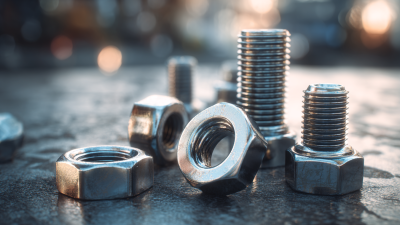
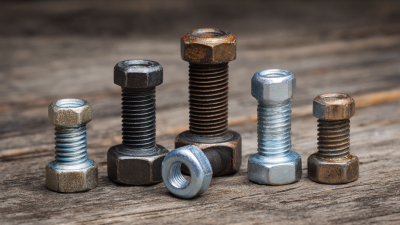
Lock nuts are essential components in various mechanical applications, offering unique advantages. They prevent loosening due to vibrations and external forces. Different types of lock nuts cater to specific needs, ensuring reliability in assembly. Common types include nylon insert nuts, jam nuts, and serrated flange nuts. Each type has a specific application where it excels, from automotive to aerospace industries.
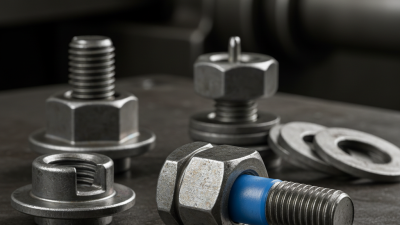
Nylon insert nuts are popular for their ease of use. The nylon insert creates friction against the bolt, securing it tightly. They’re commonly used in machinery where vibration could be an issue. Jam nuts, on the other hand, are utilized in applications requiring a low-profile solution. These nuts tighten against another nut, providing a reliable locking mechanism that can be adjusted easily.
Serrated flange nuts offer another option. Their design includes serrated edges that grip the substrate, which minimizes the risk of loosening. However, they may not be ideal for all surfaces, especially soft materials. It's critical to assess the specific needs of your project. Not all lock nuts are created equal, and selecting the right type can make a significant difference in performance. Understanding each type’s strengths and limitations is key for informed decisions.
2026 Best Lock Nuts for Global Buyers to Choose From
| Type |
Material |
Application |
Size Range |
Locking Mechanism |
Typical Use Case |
| Nylon Insert Lock Nut |
Steel |
Vibration Prone Applications |
M2 - M30 |
Nylon Insert |
Automotive, Machinery |
| All-Metal Lock Nut |
Stainless Steel |
High-Temperature Environments |
M5 - M50 |
Deformed Threads |
Aerospace, Oil & Gas |
| Square Lock Nut |
Carbon Steel |
Heavy Machinery |
M8 - M24 |
Square Geometry |
Construction, Industrial Equipment |
| Self-Locking Nut |
Alloy Steel |
Dynamic Load Applications |
M3 - M20 |
Friction Locking |
Automotive, Heavy Machinery |
| Flange Lock Nut |
Brass |
Lightweight Applications |
M4 - M16 |
Flanged Base |
Electronics, Small Devices |
Factors to Consider When Choosing Lock Nuts for Global Markets
When selecting lock nuts for global markets, several factors warrant attention. Understanding material types is crucial. Lock nuts can be made from steel, plastic, or even brass. Steel offers strength, but can corrode. Plastic is lightweight and resistant to corrosion but may not withstand heavy loads. According to industry reports, about 30% of failures in mechanical assemblies occur due to inadequate fastening solutions.
Thread standards and sizes also play a significant role. Global markets have varying specifications for threading. Some countries emphasize metric standards, while others prefer imperial. Misalignment can lead to failures, costing companies significantly. Research indicates that improper fastening can lead to up to 25% of mechanical failures. Focusing on international standards can mitigate risk.
Additionally, end-user applications are vital. Consider the environment where a lock nut will be used. High temperatures or exposure to chemicals can narrow down suitable options. It might seem a trivial aspect, yet compatibility with specific applications is often overlooked. Remember, not all lock nuts are created equal. Prioritizing the right features can lead to better performance and reliability in diverse global markets.
2026 Best Lock Nuts for Global Buyers
The chart below illustrates the popularity of different types of lock nuts among global buyers based on recent market research. The data represents the percentage preference for each type of lock nut in the last year.
Top 5 Brands of Lock Nuts for Quality and Reliability in 2026
Lock nuts play a crucial role in securing components in various applications. In 2026, global buyers seek high-quality choices, and certain brands stand out for their reliability. When selecting a lock nut, consider materials that prevent wear. This can affect performance over time.
Tips for choosing the right lock nut include examining sizing and threading—these factors influence fitting precision. Avoid generic options when quality is paramount. Instead, choose brands known for consistency and durability. It's important to read reviews and get insights from experienced users.
Also, think about the application before making a purchase. Different environments demand varied levels of strength and resistance. Some nuts perform better under extreme conditions. Remember, not every product performs well in all scenarios. It’s wise to research before deciding. Quality does take time to confirm, so patience can lead to better choices.
Comparative Analysis of Lock Nut Materials and Their Benefits
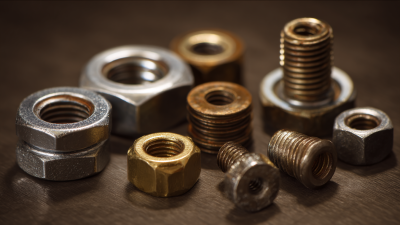
Lock nuts are essential components in various applications. Understanding the materials used in lock nuts can help buyers make informed choices. Common materials include steel, nylon, and aluminum, each offering unique benefits. Steel lock nuts are known for their strength and durability, making them ideal for heavy-duty applications. They can withstand extreme forces and environmental conditions.
Nylon lock nuts provide additional friction between the nut and bolt. This reduces the risk of loosening, making them suitable for vibrating environments. However, the temperature limits of nylon can be a concern. Some applications may expose them to high heat, compromising performance. On the other hand, aluminum lock nuts are lightweight and corrosion-resistant. They are a good choice for applications where weight is a critical factor, though they may not be as robust as steel.
Selecting the right material can be challenging. Each option has trade-offs that need careful consideration. Buyers should evaluate factors such as load conditions, environmental exposure, and the potential for vibration. These aspects influence the longevity and reliability of the fastening solution. Understanding these nuances may prevent costly failures in the long run.
Future Trends in Lock Nut Technology and Market Demand
Lock nuts are essential in various applications, from automotive to construction. As we look ahead to 2026, trends in lock nut technology will shape market demand. One major trend is the increasing use of advanced materials. These materials can enhance durability and corrosion resistance. Specifications in aerospace and marine industries drive this change. Buyers need to consider what type suits their needs.
Manufacturers are focusing on innovative designs. Self-locking features are becoming the norm. This evolution minimizes the risk of loosening during operation. Additionally, eco-friendly options are on the rise. Sustainability is a growing concern for many industries. While advancements are promising, it’s essential to evaluate product performance thoroughly.
Tips: Always check specifications before purchasing. Consider your specific requirements. Research can reveal insights on material effectiveness. Don't overlook the importance of certifications. These can indicate reliability and trustworthiness in your choice. Remember, the best product isn't always the most expensive.