2026 Best Sleeve Anchors for Your Construction Needs?
When planning a construction project, choosing the right fasteners is crucial. Sleeve anchors stand out as versatile and reliable solutions for various materials. They provide strong holding power in concrete, masonry, and brick. This makes them an essential choice for both professionals and DIY enthusiasts.
Understanding the specific needs of your construction project is vital. Sleeve anchors vary in size, material, and design. Matching these factors to your project's requirements can be challenging. Yet, the right selection can greatly enhance durability and safety. One must also consider the environment in which these anchors will be used. Factors like moisture exposure and load-bearing capacity play a significant role.
Through this guide, we explore the best sleeve anchors available in 2026. Our aim is to empower readers with the knowledge to make informed decisions. It’s important to delve beyond surface-level features and take a closer look at performance and reliability. Each project is unique, and your choice of sleeve anchors should reflect that distinctiveness.
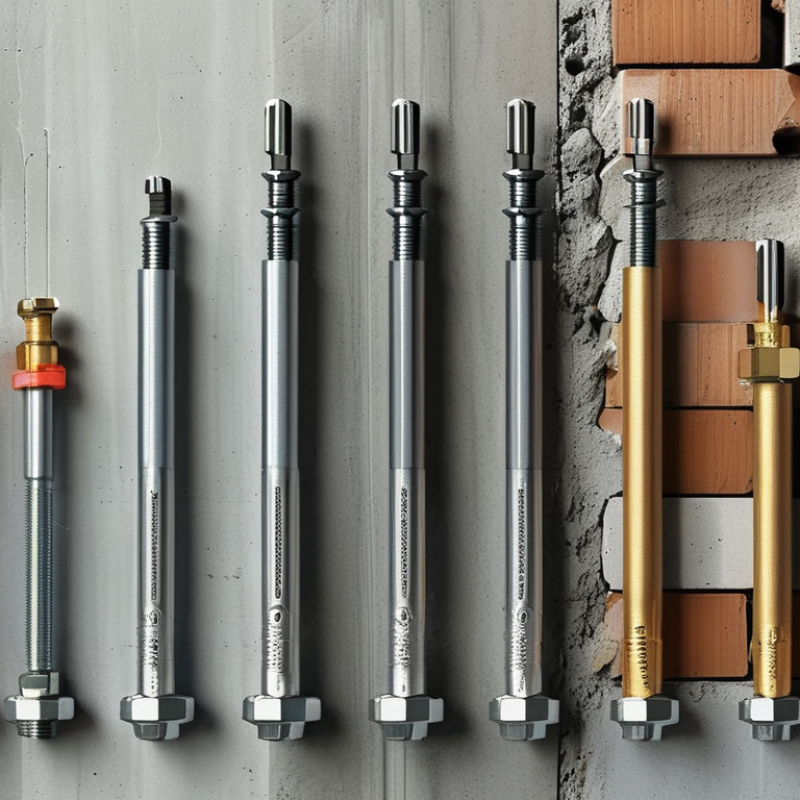
Overview of Sleeve Anchors: Definition and Types
Sleeve anchors are essential fasteners used in construction to secure objects to concrete and masonry surfaces. These versatile anchors come in various types, each designed for specific applications. Generally, sleeve anchors consist of a threaded shaft and a sleeve that expands against the base material when tightened. This expansion creates a secure hold that is reliable under varying loads.
Among the types of sleeve anchors, the standard sleeve anchor is most common. It features a rounded or flat head and is made from carbon steel or stainless steel. Other types include drop-in anchors, which are used in solid concrete, and lag shield anchors for softer materials. Each type caters to different project needs, providing a range of choices for contractors and DIY enthusiasts.
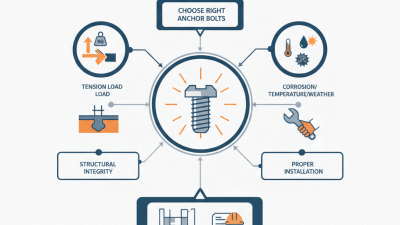
When selecting sleeve anchors, consider the environmental conditions. Corrosion resistance is crucial in harsh outdoor settings. Also, check the required load capacity to ensure safety and durability. Using the correct size and type is vital for optimal performance.
Installation requires precision. Drill the proper diameter and depth, ensuring the hole is clean. Misalignment can lead to failure. Test fit the anchor before final installation. Taking these steps can prevent costly mistakes and enhance the longevity of your projects.
Key Factors to Consider When Choosing Sleeve Anchors
When selecting sleeve anchors for construction projects, various factors come into play. It's crucial to assess the base material. Different materials, like concrete or brick, require specific anchor types for optimal performance. Understanding the load capacity is equally important, as it determines whether the anchor can support the intended weight. Inspect the diameter and length of the anchor as well; these dimensions contribute significantly to the anchor's stability.
Experience shows that choosing the right corrosion resistance is vital for longevity. Anchors exposed to moisture or chemicals must withstand these conditions. Always consider the environment in which the anchors will be used. Additionally, installation instructions should not be overlooked. Missteps during installation can lead to failure, so following guidelines meticulously is essential.
It’s beneficial to trial different types of sleeve anchors during initial projects. Doing so offers practical insights into their performance. Regular inspections of installed anchors help uncover potential wear and tear before they become serious issues. Remember, every construction project is unique, and what works well in one scenario may not be suitable for another. Prioritize both quality and reliability to enhance the safety of your applications.
Top 2026 Sleeve Anchors for Various Construction Applications
When it comes to sleeve anchors, choosing the right product for specific construction needs is crucial. Various applications require different performance characteristics, making it essential to understand how they work. Sleeve anchors are versatile fasteners widely used in both concrete and masonry. Their design allows for strong holding power, essential for structural integrity.
Selecting the right sleeve anchor involves considering factors like material, length, and diameter. For heavy-duty applications, a longer anchor might be necessary to ensure maximum grip. Additionally, the choice of material can greatly impact performance and longevity. Stainless steel anchors resist corrosion, making them suitable for outdoor projects or in humid environments.
It's important to reflect on the specific requirements of your project. Every construction site has its unique challenges. Sometimes, a particular anchor may not perform as expected due to varying conditions such as soil quality or load. This variability emphasizes the need for careful planning and selection. Making informed choices helps avoid potential setbacks and ensures reliable results.
2026 Best Sleeve Anchors for Your Construction Needs
This chart represents the key performance metrics for sleeve anchors in 2026, which are crucial for construction applications. The data includes load capacity, corrosion resistance, ease of installation, and unit cost. Each metric is vital for ensuring the right choice of sleeve anchors in various construction scenarios.
Installation Guide for Sleeve Anchors: Best Practices
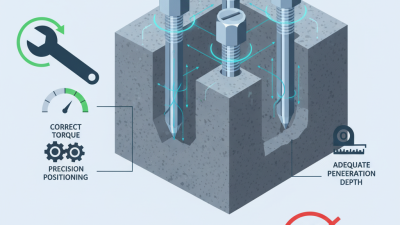
When installing sleeve anchors, proper technique is crucial for secure and effective results. The key to a successful installation is ensuring that the hole is clean and free of debris. A study from the Construction Research Institute indicates that improper hole preparation can reduce anchor performance by up to 30%. Use a rotary hammer drill for maximum efficiency. This method provides a clean, precise hole, which is essential for optimal anchor grip.
Pay attention to the embedment depth specified for your project. Research shows that anchors installed with insufficient depth can lead to premature failure. For instance, an anchor embedded only half the recommended depth can decrease its load capacity significantly. It's often overlooked, but verifying the condition of the base material is important too. Cracked or damaged concrete can compromise an anchor's effectiveness.
Finally, follow the manufacturer's recommendations on torque values during installation. Studies reveal that over-tightening can lead to anchor failure, while under-tightening may result in detachment. In practice, finding the right balance often requires adjustments and experience. Mastering sleeve anchor installation means learning from both successes and failures in prior projects. Regular training can enhance skills and keep teams up to date with best practices in the field.
2026 Best Sleeve Anchors for Your Construction Needs - Installation Guide for Sleeve Anchors: Best Practices
| Anchor Type |
Material |
Diameter (mm) |
Length (mm) |
Load Capacity (kN) |
Installation Method |
| Sleeve Anchor |
Zinc-Plated Steel |
10 |
50 |
12 |
Drill Hole, Insert Anchor, Tighten |
| Heavy-Duty Sleeve Anchor |
304 Stainless Steel |
12 |
75 |
20 |
Drill Hole, Insert Anchor, Tighten |
| Concrete Sleeve Anchor |
Galvanized Steel |
16 |
100 |
25 |
Drill Hole, Insert Anchor, Tighten |
| Expansion Sleeve Anchor |
Mild Steel |
8 |
40 |
8 |
Drill Hole, Insert Anchor, Tighten |
Maintenance Tips for Ensuring Longevity of Sleeve Anchors
Proper maintenance of sleeve anchors is essential for their longevity. Regular inspections can prevent potential failures. According to industry studies, 30% of anchor failures stem from inadequate maintenance. This highlights the importance of keeping these anchors clean and free from debris.
Corrosion is another threat to sleeve anchors, particularly in harsh environments. Using protective coatings can significantly extend their lifespan. A recent report showed that anchors without any protective measures showed a 50% higher failure rate within five years compared to coated anchors. Routine checks for rust or wear are crucial.
It’s also important to monitor the tightening torque of sleeve anchors. Over-torquing can damage the anchor, while under-torquing reduces its holding capacity. Keeping a detailed log of inspections and maintenance actions helps ensure that every anchor meets safety standards. These practices not only enhance durability but also enhance safety on construction sites.