Inquiry
Form loading...

What Is the Best Spherical Collar Hexagon Nut in 2026?

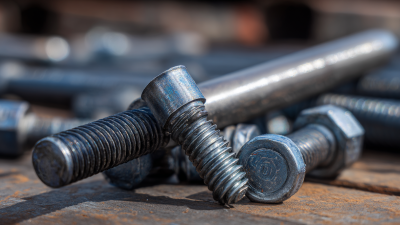
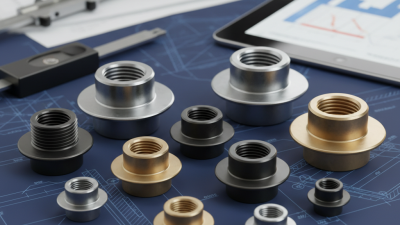
Choosing the best Spherical Collar Hexagon Nut in 2026 depends on more than a polished product photo. Its collar should seat evenly against the mating surface, while the hex body must allow a secure grip from a standard wrench. Small details matter. A slightly mismatched thread or collar diameter can cause poor fit, uneven contact, or avoidable rework.

This guide compares practical selection factors, including thread size, material, surface finish, dimensional tolerances, and the maker’s published specifications. For example, a nut used near moisture may need a suitable corrosion-resistant material or coating; a tightly assembled joint may require closer attention to fit and installation guidance. Always check the product drawing and confirm compatibility with the bolt, washer, and application. Manufacturer data is more useful than broad claims such as “heavy duty” when it lists measurable properties. Where possible, review inspection records or test information, too. A tidy finish is reassuring, but it cannot prove strength by itself.

There is no single best choice for every setup. That judgment is not perfect: operating conditions, maintenance, and assembly methods can change what works well. This overview offers a clear starting point, not a substitute for engineering review in critical applications. Look closely at the evidence, compare dimensions, and choose a supplier that answers specific questions. Practical fit comes first.
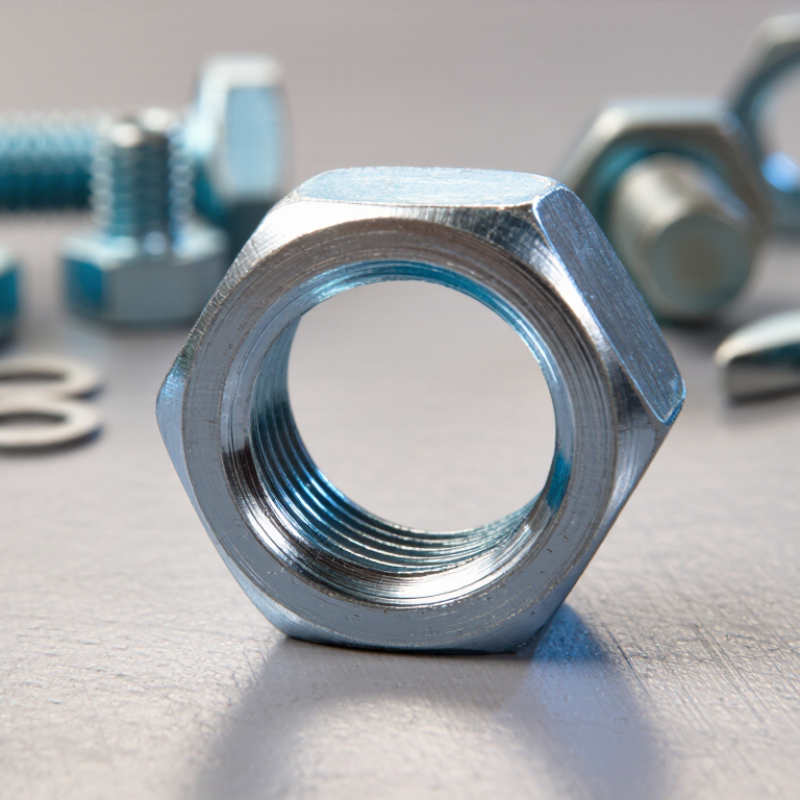
What Is the Best Spherical Collar Hexagon Nut in 2026?

Understanding the Spherical Collar Hexagon Nut

Understanding the Spherical Collar Hexagon Nut

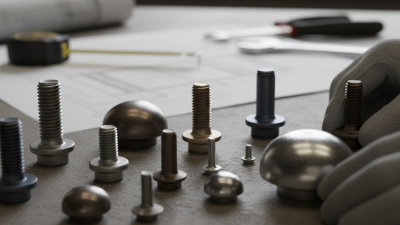
A spherical collar hexagon nut combines a hexagonal drive with a curved bearing surface. It is designed to seat against a matching spherical surface, helping distribute contact when the joint has a slight angle. The shape is not a cure for poor alignment. The nut and seat must be designed to work together, or contact may concentrate at one edge. Fit matters.

Selection starts with thread size, pitch, material, and the joint’s expected load. ISO 898-2 specifies mechanical and proof-load requirements for metric steel nuts in defined property classes. Check the class against the bolt and assembly specification; a nut’s appearance alone says little about its strength. World Steel Association reports 1,882.6 million tonnes of crude steel production worldwide in 2024. That figure shows the scale of steel supply, not the quality of any individual fastener. Small part. Big consequence.

Tips: Confirm the spherical radius and seat profile before installation. Use the specified tightening method, then inspect for uneven contact or damage. Even a careful fit can be imperfect; recheck assemblies exposed to vibration or repeated loading.
How the Spherical Collar and Hexagonal Body Function

What Is the Best Spherical Collar Hexagon Nut in 2026?

How the Spherical Collar and Hexagonal Body Function

A spherical collar hexagon nut combines two useful features. The collar’s curved bearing surface can accommodate limited angular mismatch when it mates with a compatible seat or washer. This helps the nut bear more evenly on a sloped or imperfectly aligned surface. It is not a cure for poor fit. The mating parts must be designed for the same geometry, and the collar cannot correct severe misalignment.

The hexagonal body gives a wrench six contact faces, making the nut practical to install in confined spaces. Turning it creates clamp force along the bolt axis. But torque alone does not reveal the exact preload. NASA’s Fastener Design Manual, Reference Publication 1228, notes that torque-controlled tightening can produce preload variation of about 25 percent. That spread matters in vibration-sensitive joints. Fit matters. Check the seat, thread engagement, material, and installation method against the application’s engineering requirements. A collar that rocks, binds, or contacts only at one edge may concentrate load instead of distributing it. In practice, a small seating gap can be easy to miss. Inspect the assembled joint, and verify preload with a suitable method when the design requires tighter control.

What Is the Best Spherical Collar Hexagon Nut in 2026?

How the spherical collar and hexagonal body function

This qualitative chart maps each feature to its primary function; 1 means the component directly provides that function, and 0 means it does not. The hexagonal body provides wrench flats for tightening, while the spherical collar seats against a matching spherical surface and can accommodate limited angular misalignment. Actual fit and performance depend on the nut, mating seat, material, and installation requirements.

Key Materials, Standards, and Performance Factors

A spherical-collar hexagon nut depends on more than its visible shape. The curved seat should match the mating surface; otherwise, contact may concentrate along one edge. That can encourage loosening or surface damage under vibration. Check the specified thread, seat radius, and installation torque together. Fit matters.

Material selection should reflect the service environment. Carbon steel offers strength and broad availability, while stainless steel can improve corrosion resistance but may gall during tightening. ISO 898-2:2022 defines proof-load requirements for carbon and alloy steel nuts; its property-class system includes classes 8, 10, and 12. These figures are not a substitute for checking the matching bolt and joint design. For stainless fasteners, ISO 3506-2:2020 specifies mechanical properties and designations such as A2-70. Salt spray, temperature, and repeated assembly still affect real-world performance.

For procurement, request traceable material certificates and confirm the applicable standard, coating, thread tolerance, and seat dimensions. A coating can change friction, so an unchanged torque value may produce a different clamp load. Small detail, big consequence. ISO test values describe controlled conditions, not every field installation; that limitation is easy to overlook. Sources: ISO 898-2:2022 and ISO 3506-2:2020.

How to Choose the Best Spherical Collar Hexagon Nut in 2026

Choosing the best spherical collar hexagon nut starts with the joint it must fit. Match the thread diameter, pitch, and nut height to the mating bolt. Do not rely on a similar-looking part. Check the collar’s spherical radius and seating angle against the receiving surface. A mismatch can create edge contact instead of even pressure, which may loosen the joint or damage the seat. That detail is easy to miss.

Consider the working environment, too. Material and surface finish should suit expected moisture, temperature, and vibration; stainless steel is not automatically the right choice for every assembly. Review a technical drawing for dimensions, tolerances, strength information, and any specified washer or torque requirements. Hand-tight fit proves little. During a trial assembly, the nut should seat smoothly without binding. Use the specified tightening method, then inspect the contact area for uneven marks. Even careful selection can miss a small geometry difference, so verify the mating parts before ordering.

Common Applications and Correct Installation Practices

Spherical collar hexagon nuts are useful where a fastener needs a curved seating surface, such as machinery joints or wheel assemblies designed for spherical seats. The rounded collar can accommodate a small difference in angle between mating surfaces. It is not a universal fit. The nut’s seat radius must match the component it contacts, or pressure may concentrate on a narrow edge. Fit matters.

Before installation, check the nut, stud, and mating seat for dirt, burrs, cracks, or damaged threads. Start the nut by hand and confirm it turns freely. It is tempting to assume the spherical collar will correct a poor fit, but it cannot repair damaged threads or compensate for the wrong seat profile. Use the torque value specified for the assembly, and apply lubricant only when that specification calls for it. Tighten evenly; on multi-fastener patterns, follow the recommended sequence and use a calibrated torque wrench. Recheck only if the equipment procedure requires it. Small details are easy to miss, especially when parts look nearly identical.

What Is the Best Spherical Collar Hexagon Nut in 2026? - Common Applications and Correct Installation Practices

Selection or Application How the Spherical Collar Helps Typical Mating Components Correct Installation Practice Important Checks
Machine fixtures and clamping assemblies The curved bearing surface can accommodate limited angular misalignment when used with a compatible spherical seat. Threaded stud or bolt and a matching spherical washer or seat. Align the nut and mating seat before tightening. Tighten to the equipment or fastener specification. Confirm that the nut’s seat radius and the mating seat are designed to work together.
Tooling and adjustable machine setups Allows the bearing faces to seat more evenly in an assembly that needs a small amount of angular adjustment. Compatible spherical washer pair, threaded stud, and clamped tooling component. Ensure the spherical faces are clean and fully seated. Tighten in a controlled manner without forcing the parts into alignment. It does not correct major misalignment or replace a properly designed joint.
General industrial clamping Can help distribute bearing contact across a matched spherical interface rather than relying on tilted, flat faces. Matching spherical seat or washer and a correctly sized threaded fastener. Start the nut by hand to avoid cross-threading, then use a suitable wrench and the specified tightening method. Check thread diameter, pitch, material, strength class, and available thread engagement.
Applications with changing setup angles May permit limited angular accommodation while maintaining contact with a compatible seat. Spherical washer or seat designed for the nut’s collar geometry. Verify that the assembly can move or seat as intended before applying final preload. Observe the component maker’s permitted angle and load limits; do not assume all spherical seats are interchangeable.
Metric threaded assembly selection The spherical collar is a bearing feature; it does not determine thread fit or load capacity. Use a matching metric thread, such as M8 × 1.25 or M12 × 1.75, only when specified for the assembly. Match both nominal thread diameter and pitch to the mating bolt or stud. These thread examples are common metric coarse sizes, not a recommendation for a particular application.
Final tightening and maintenance Correct seating helps the joint develop its intended clamping force. Complete assembly with compatible nut, seat, bolt or stud, and clamped parts. Use the specified torque or tensioning procedure. Account for any specified lubrication because it affects the torque-to-preload relationship. Do not reuse damaged, deformed, corroded, or thread-worn parts. Recheck only when the equipment procedure calls for it.

Selection note: There is no universally “best” spherical collar hexagon nut. Choose one that matches the thread, seat geometry, material, strength requirements, operating conditions, and applicable design specification. Do not substitute it for a standard hex nut, wheel nut, or structural fastener unless the assembly design explicitly permits it.