2026 Best Tee Nuts Types for Your Project Needs?
When planning a project, choosing the right components is crucial. Tee Nuts are versatile fasteners that can enhance your design. They provide stability and strength to various structures, particularly in woodworking and furniture assembly.
Understanding the different types of Tee Nuts can make a significant difference. Each type serves a specific function. This variance can align well with your project needs. For instance, some Tee Nuts work better in softer materials, while others are designed for heavy-duty tasks.
However, selecting the right Tee Nuts is not without challenges. Mistakes can occur if the wrong type is chosen. A mismatch can lead to loose fittings or structural failure. Careful consideration of materials and design goals is essential for optimal results.
Understanding Tee Nuts: Definition and Functionality
Tee nuts, often overlooked, serve a crucial role in woodworking and furniture projects. These small metal inserts create strong, threaded holes in materials like wood. Their design features prongs that grip onto the wood surface. When installed correctly, they provide a reliable anchor for screws. This allows for secure and stable connections.
Understanding their functionality is vital. The installation process can be tricky for beginners. Without the right tools, the prongs may not grip effectively. This could lead to movement or even failure in the joint. Choosing the right type of tee nut is essential. Different projects may require various sizes and materials. Steel and brass are common options, each with distinct properties.
Despite their utility, some users may find them frustrating. Misalignment during installation can weaken the hold. Taking extra time to measure is critical. A careful approach prevents common mistakes. Tee nuts can enhance the durability of your project, but only when applied thoughtfully. Every detail matters in woodworking.
Different Types of Tee Nuts: A Comprehensive Overview
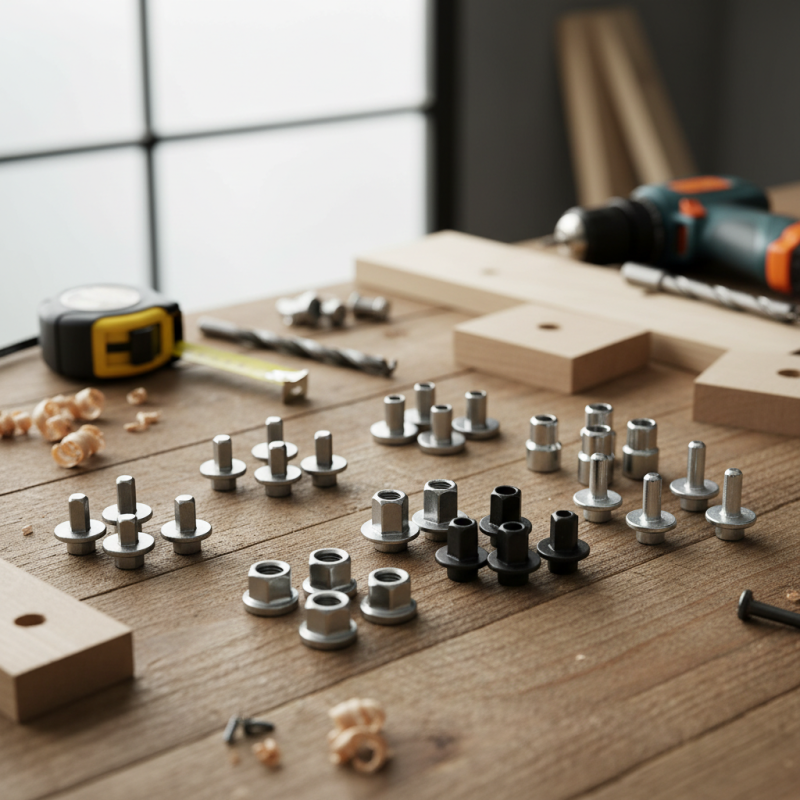
Tee nuts are an essential component in woodworking and furniture projects. They provide a reliable way to create strong connections between materials. The variety of tee nuts available can enhance your project in different ways. Each type serves unique needs based on material thickness and intended use.
There are several types of tee nuts to consider. Flanged tee nuts are common. They are simple and effective. The flanged design prevents spinning. Then there are insert tee nuts. These are preferable for thinner materials. Their threading allows for easy insertion and adjustment. It’s worth noting that many people overlook the importance of the nut’s finish. Some options resist rust and corrosion, while others do not.
Understanding the specific requirements of your project can be tricky. Sometimes, you may find that your chosen tee nut doesn’t provide the necessary strength. Additionally, installation can be cumbersome if not done correctly. Experimenting with different types may lead to unexpected challenges. Reflecting on past projects can help prevent these mistakes in future endeavors.
Material Considerations: Choosing the Right Tee Nut for Your Project
When selecting tee nuts, material is crucial. Tee nuts are usually made from steel, stainless steel, or brass. Each material offers unique benefits. For example, steel is durable and cost-effective. It's often preferred for projects requiring strong, reliable connections. According to a report by the Precision Fasteners Association, steel tee nuts can withstand pressures up to 900 PSI.
Stainless steel, however, excels in corrosion resistance. It's ideal for outdoor projects or damp environments. Projects using stainless steel tee nuts report fewer failures over time. Data from the Corrosion Engineering Journal indicates that stainless materials have a lifespan three times longer than standard steel in harsh conditions.
Brass tee nuts provide aesthetic appeal. They are often used in furniture or decorative applications. The trade-off for their beauty is strength. In some cases, brass nuts may not hold up under heavy loads. Therefore, reflective consideration of the project requirements is essential. Incorrect material choices could lead to structural issues. Always assess the environment and load conditions before deciding.
Installation Methods: How to Properly Use Tee Nuts
Tee nuts are essential for various projects, from furniture assembly to woodworking. Proper installation is crucial for both strength and durability. According to industry reports, about 20% of fastener failures stem from improper installation. This highlights the need for clear guidelines when using tee nuts.
To install tee nuts correctly, you must begin with clean, pre-drilled holes. The hole diameter should match the tee nut's outer diameter. Use a mallet or hammer with controlled force. Too much force can deform the tee nut or damage the wood. It's vital to ensure the tee nut is flush with the material surface. This prevents any uneven load distribution, which can lead to failure.
Another key consideration is selecting the right type of tee nut. Industry data shows that flanged tee nuts offer better grip in softwoods. However, in hardwoods, standard tee nuts can provide satisfactory results if installed correctly. Proper alignment during installation plays a significant role in performance. Misaligned tee nuts can lead to stripped threads or weakened joints. Addressing these details can significantly enhance longevity and ease of use in your projects.
Applications and Uses: Where Tee Nuts Are Commonly Employed
Tee nuts play a crucial role in various industries. They are commonly employed in furniture assembly, cabinetry, and construction. In furniture making, they provide strong, secure joints. According to a 2022 report by the International Woodworking Fair, over 70% of wood furniture uses tee nuts for added stability.
In cabinetry, tee nuts are often used to attach hardware. Installers appreciate their ability to provide a reliable anchor in softer wood materials. The same report highlighted that about 65% of kitchen cabinets rely on tee nuts for hinges and drawer slides. This enhances durability and user satisfaction.
In construction, tee nuts are utilized in metal and wooden frameworks. They allow for easy adjustments and repairs. However, there can be challenges. For instance, incorrect installation might lead to weak joints. It’s essential to assess the material and load requirements. Up to 15% of construction projects face rework due to improper use of tee nuts, which calls for better training and awareness in the industry.