Why Choose Sleeve Anchors for Your Next Project?
When embarking on your next construction project, selecting the right fastening solution is crucial. Sleeve anchors are a popular choice among professionals for their reliability and strength. These versatile anchors work well in various materials, including concrete, brick, and masonry, making them a favored option.
One reason to choose sleeve anchors is their ease of installation. They are designed to expand within the base material, providing a secure hold. This feature ensures that your projects remain stable and durable over time. Many experts appreciate sleeve anchors’ ability to adapt to different applications, from mounting fixtures to supporting heavy loads.
However, it is essential to reflect on the limitations of sleeve anchors. They may not be suitable for every scenario, especially in softer substrates. Understanding the specific conditions of your project will lead to better decisions. In any case, sleeve anchors are worth considering for their proven track record and effectiveness in the field.
Understanding Sleeve Anchors: Definition and Applications
Sleeve anchors are versatile fasteners widely used in construction and various applications. They are designed to provide secure anchoring solutions in different materials. Typically, they work well in solid concrete, masonry, and hollow block materials, making them an essential tool for builders and engineers.
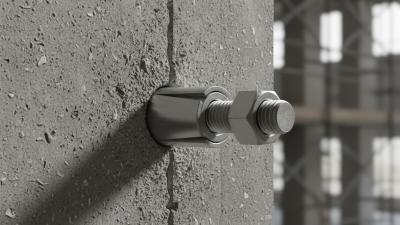
Understanding sleeve anchors begins with their structure. A sleeve anchor consists of a bolt wrapped in a sleeve. When installed, the sleeve expands against the base material. This design creates a strong bond that withstands tension and shear loads. Installation is straightforward yet requires careful attention to detail. Misalignment can lead to a weaker hold, which may compromise the structural integrity of the project.
In terms of applications, sleeve anchors shine in a range of scenarios. They can secure fixtures, machinery, or structural components. However, not every situation is ideal for sleeve anchors. For example, in seismic areas, they may not provide sufficient performance. It’s crucial to evaluate the project needs and environmental factors before choosing sleeve anchors. Understanding these nuances ensures a reliable application every time.
Why Choose Sleeve Anchors for Your Next Project? - Understanding Sleeve Anchors: Definition and Applications
| Dimension |
Specification |
Material |
Common Applications |
| 1/4 inch |
Length: 2 inches |
Zinc Plated Steel |
Drywall, Concrete |
| 3/8 inch |
Length: 3 inches |
Stainless Steel |
Masonry, Brick |
| 1/2 inch |
Length: 4 inches |
Carbon Steel |
Heavy Equipment, Handrails |
| 5/8 inch |
Length: 5 inches |
Galvanized Steel |
Outdoor Structures, Post Installation |
Benefits of Using Sleeve Anchors in Construction Projects
When considering fasteners for your construction projects, sleeve anchors offer distinct advantages. Their design allows for reliable performance in various materials, including concrete and brick. According to the American Concrete Institute, sleeve anchors have a higher loading capacity compared to traditional expansion anchors, making them ideal for heavy-duty applications.
The versatility of sleeve anchors is a notable benefit. They can be used in both indoor and outdoor settings, resisting moisture and corrosion. Data from the Construction Industry Institute shows that using sleeve anchors can reduce installation time by 30%. This reduction in time translates to cost savings, enabling teams to allocate resources more efficiently.
Despite these benefits, it's crucial to understand the application limits. Sleeve anchors require correct hole sizing and installation technique to perform effectively. Improper installation can lead to reduced load-bearing capabilities. Regular inspections are also recommended. Over time, environmental factors may affect anchor integrity. Planning for these adjustments is essential for long-term safety and performance in projects involving sleeve anchors.
Comparing Sleeve Anchors to Other Fastening Solutions
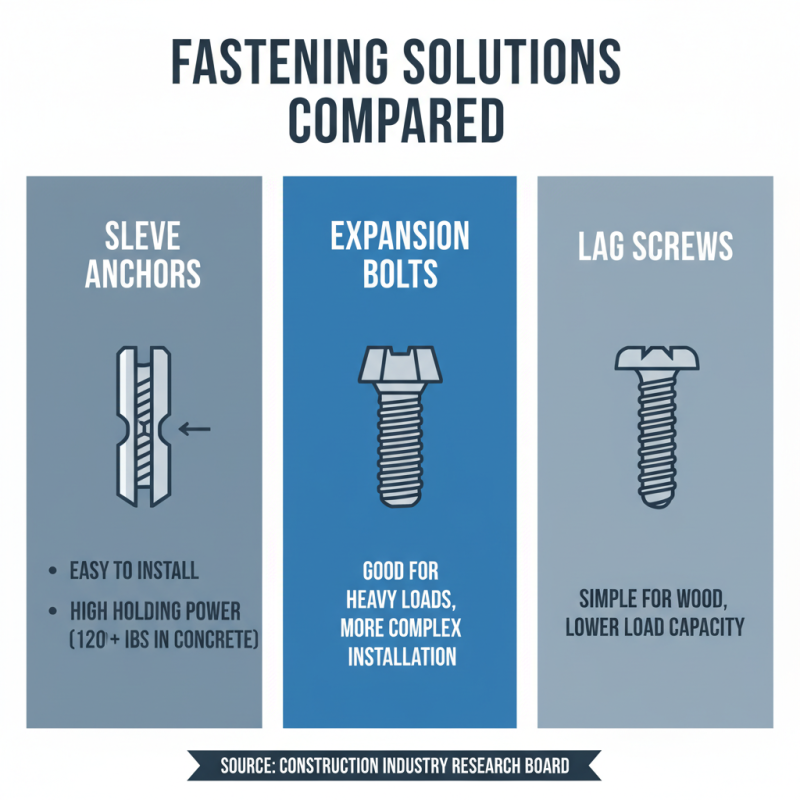
When choosing fastening solutions, sleeve anchors stand out. They are simple to install and provide excellent holding power in solid materials. According to a report by the Construction Industry Research Board, sleeve anchors can achieve load capacities of over 1,200 pounds in concrete. This makes them a reliable choice for various applications.
Comparatively, other fasteners like expansion bolts might require more complex installation methods. They can also be less effective in softer substrates. Sleeve anchors are designed to expand and lock securely in the base material, delivering consistent performance.
Tip: Always drill the correct hole size for sleeve anchors. A properly sized hole ensures maximum holding power and minimizes failure risk.
Despite their many advantages, sleeve anchors may not be ideal for every project. For instance, they might not perform well in seismic zones. It's essential to consider the project environment when selecting fasteners.
Tip: Review environmental conditions. Always check if the materials you are working with demand different anchors or enhancements for added safety.
Installation Process: How to Properly Use Sleeve Anchors
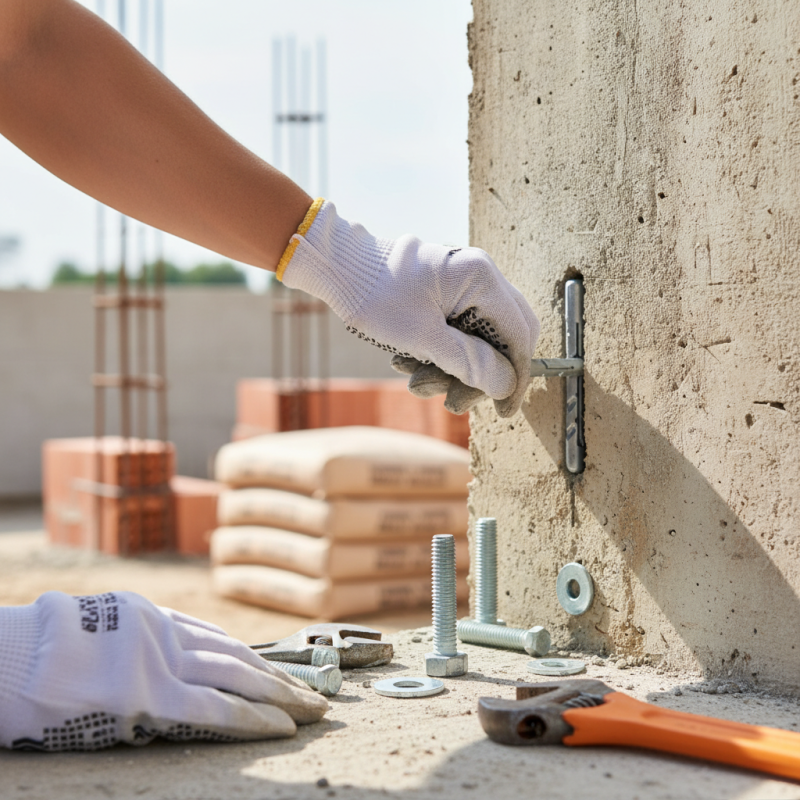
When using sleeve anchors, understanding the installation process is crucial. Begin by selecting the right size sleeve anchor for the material you’re working with. The anchor should be long enough to penetrate deep into the base material. Ensure you have the necessary tools: a hammer drill, a suitable bit, and a wrench.
Drill a hole into the base material. The hole should match the diameter of your sleeve anchor. Clean the hole thoroughly to remove dust and debris. Inadequate cleaning can compromise the anchor's hold. Insert the sleeve anchor into the hole, ensuring the sleeve is flush with the surface. Use a torque wrench to tighten the nut. This step is vital for achieving a secure fit.
It’s essential to practice caution during installation. Mistakes can lead to inadequate anchoring. Inspect the anchor after installation. Look for signs of movement or looseness. Taking these steps seriously will enhance the integrity of your project.
Tips for Selecting the Right Sleeve Anchor for Your Needs
Choosing the right sleeve anchor for your project can be crucial. The right anchor should fit your specific needs. Consider the base material. Different materials require different anchors. For concrete, a heavy-duty sleeve anchor works best. For masonry, a lighter option may suffice.
Pay attention to load ratings. Each sleeve anchor has specific weight limits. Ensuring you match your anchor to your load is vital. Oversized anchors can be as risky as undersized ones. They may not hold effectively over time. It’s worth testing and assessing your options before making a choice.
Installation methods also vary. Some sleeve anchors require a specific drill bit size. Make sure you have the right tools. Read installation guidelines thoroughly. If you're unsure, consulting an expert can save time and ensure safety. Your choice of sleeve anchor should contribute to the overall integrity of your project. Every detail matters, and taking the time to select the right anchor can prevent complications later.