2025 How to Choose the Right Tee Nuts for Your Woodworking Projects
Choosing the right components for your woodworking projects can significantly influence the final outcome, and one often-overlooked item is the Tee Nut. Tee Nuts are essential fasteners that provide secure anchoring for bolts and screws in furniture, cabinetry, and other wooden structures. As woodworking enthusiasts and professionals aim for both durability and aesthetics in their creations, understanding the variety and applications of Tee Nuts becomes critical.
In this guide, we will explore the best options for Tee Nuts, considering factors such as material, size, thread type, and installation methods. The right Tee Nut can enhance the strength and stability of your projects, ensuring they stand the test of time. Whether you are building a simple shelf or a complex piece of furniture, this comprehensive overview will equip you with the knowledge needed to select the most suitable Tee Nut for your specific requirements. By the end, you will have a clearer vision of how to integrate Tee Nuts into your woodworking endeavors effectively, leading to superior craftsmanship.
Understanding the Different Types of Tee Nuts for Woodworking
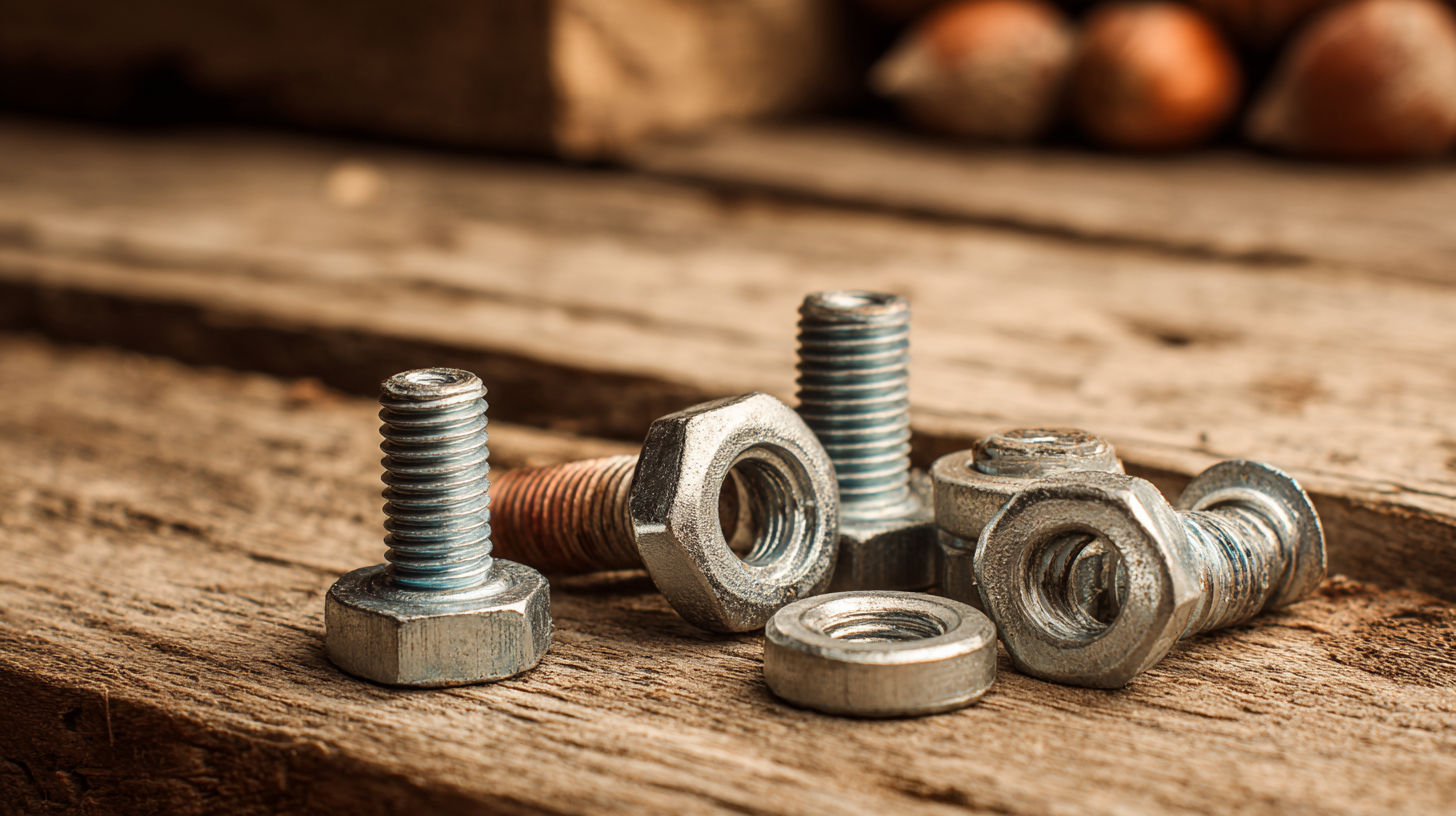
When it comes to woodworking projects, understanding the different types of tee nuts is essential. Tee nuts are internally threaded fasteners that allow you to create strong connections in your wood assembly. They come in various materials, sizes, and designs, making it crucial to choose the right type for your specific application. Common types include press-in tee nuts, which offer a flush finish, and insert tee nuts that provide added strength for heavier loads. Additionally, the choice of material—ranging from steel to brass—can affect both the durability and aesthetics of your projects.
In woodworking, it’s not uncommon to encounter stuck screws or bolts that can hinder your progress. Here are some tips for loosening those stubborn fasteners: First, apply some penetrating oil and let it sit for several minutes to break down rust and debris. Next, try gently tapping the fastener with a hammer to create vibrations that can help release it. Lastly, if you’re dealing with particularly tough situations, a heat source like a soldering iron can help expand the metal and loosen the grip. These techniques can save you time and frustration, allowing you to focus on what truly matters—crafting beautiful wooden pieces.
2025 How to Choose the Right Tee Nuts for Your Woodworking Projects
Factors to Consider When Selecting Tee Nuts for Your Projects
When selecting tee nuts for your woodworking projects, several essential factors must be considered to ensure optimal performance and durability. First and foremost is the material of the tee nuts. Common materials include steel, brass, and zinc-coated steel, each offering different levels of strength and corrosion resistance. A report by the Woodworking Institute states that approximately 45% of industry professionals prefer zinc-coated tee nuts due to their balance between cost-effectiveness and resistance to rust, particularly in humid environments.
Another critical factor is the size and thread type of the tee nuts. It is vital to match the tee nut’s size with the pre-drilled holes in your workpiece. According to the American Woodworkers Association, using the wrong size can lead to a compromised connection, ultimately affecting the integrity of the entire project. Additionally, one must consider the load-bearing requirements; heavy-duty projects may necessitate larger, reinforced tee nuts, whereas lightweight applications can utilize standard sizes effectively. Ultimately, selecting the right tee nuts hinges on assessing these factors to achieve successful and sustainable woodworking results.
Comparing Materials: Metal vs. Plastic Tee Nuts in Woodworking
When selecting tee nuts for woodworking projects, one of the most crucial decisions involves choosing between metal and plastic materials.
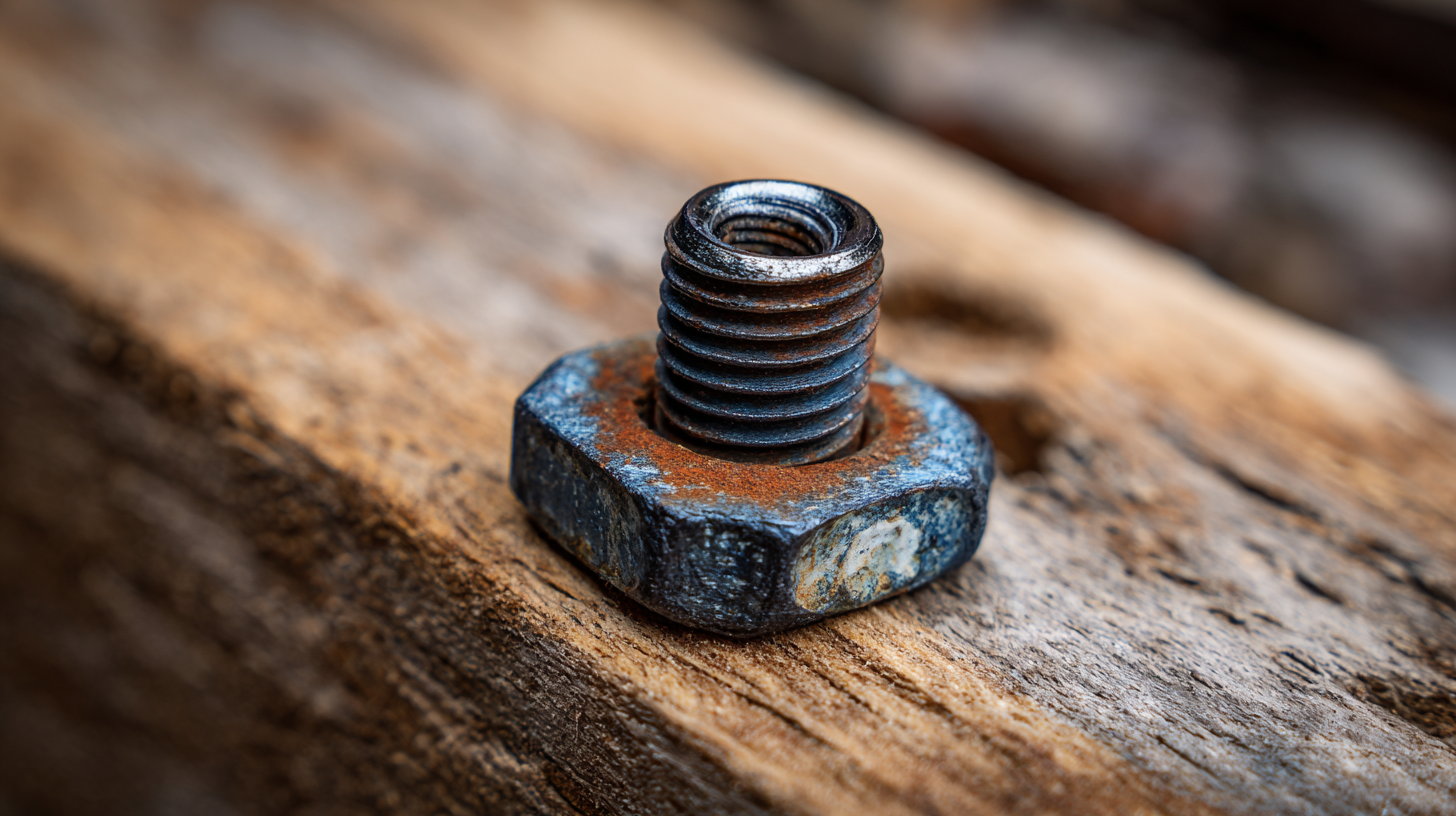 Metal tee nuts, typically made of steel or brass, offer excellent strength and durability, making them ideal for heavy-duty applications.
According to the Woodworking Industry Report 2023, 68% of professional woodworkers prefer metal tee nuts when constructing furniture that requires strong joints.
These nuts provide a secure anchoring mechanism, which is particularly beneficial when dealing with high-stress areas, like the corners of cabinets or desks.
Metal tee nuts, typically made of steel or brass, offer excellent strength and durability, making them ideal for heavy-duty applications.
According to the Woodworking Industry Report 2023, 68% of professional woodworkers prefer metal tee nuts when constructing furniture that requires strong joints.
These nuts provide a secure anchoring mechanism, which is particularly beneficial when dealing with high-stress areas, like the corners of cabinets or desks.
On the other hand, plastic tee nuts present a compelling alternative for certain projects. They are lightweight and resistant to corrosion, making them an excellent choice for items that may encounter moisture or require less structural strength.
Recent data from the Plastic Materials in Woodworking Report highlighted a growing trend, noting a 25% increase in the use of plastic tee nuts among DIY enthusiasts due to their ease of installation and cost-effectiveness.
This trend suggests that while metal may reign supreme in durability, plastic tee nuts are carving out their own niche, particularly for hobbyists seeking a balance between performance and budget.
Common Applications of Tee Nuts in Various Woodworking Tasks
Tee nuts are essential hardware components often utilized in various woodworking applications. One of the most common uses is in furniture assembly. When constructing tables, desks, or cabinets, tee nuts provide a reliable anchor point for bolts, ensuring a sturdy connection between different parts. Their ability to distribute load evenly makes them ideal for supporting heavy furniture, allowing for smoother operation over time without the risk of loosening.
Another significant application of tee nuts is in the creation of modular systems. In woodworking projects where parts need to be frequently adjusted or reconfigured, tee nuts can facilitate this flexibility. They can be embedded into the wood, allowing the user to easily attach and detach components without damaging the material. This adaptability is particularly beneficial in workbenches and tool racks, where configurations might change according to the task at hand. By selecting the appropriate size and style of tee nuts, woodworkers can enhance both the functionality and durability of their projects, ensuring that their creations stand the test of time.
2025 How to Choose the Right Tee Nuts for Your Woodworking Projects - Common Applications of Tee Nuts in Various Woodworking Tasks
| Tee Nut Type |
Material |
Application |
Suitable Wood Types |
Load Capacity (lbs) |
| Standard Tee Nut |
Steel |
Furniture Assembly |
Pine, Oak |
300 |
| Flanged Tee Nut |
Brass |
Cabinetry |
Birch, Maple |
250 |
| Knurled Tee Nut |
Aluminum |
DIY Projects |
MDF, Ply |
200 |
| Heavy-Duty Tee Nut |
Stainless Steel |
Industry Applications |
Hardwood, Softwood |
500 |
| Blind Tee Nut |
Plastic |
Model Making |
Balsa, Foam |
100 |
Tips for Installing Tee Nuts to Ensure Stronger Joints in Wood Projects
When installing tee nuts in woodworking projects, ensuring strong joints is paramount. According to the Woodworking Institute's 2022 report, the integration of tee nuts can increase the durability of joints by as much as 40%. This is particularly significant when working with softer woods, which may be prone to splitting and loosening under stress. Selecting the appropriate size and type of tee nut is essential in achieving optimal performance; for instance, using a tee nut with a flange can distribute stress more evenly across the wood, leading to enhanced stability.
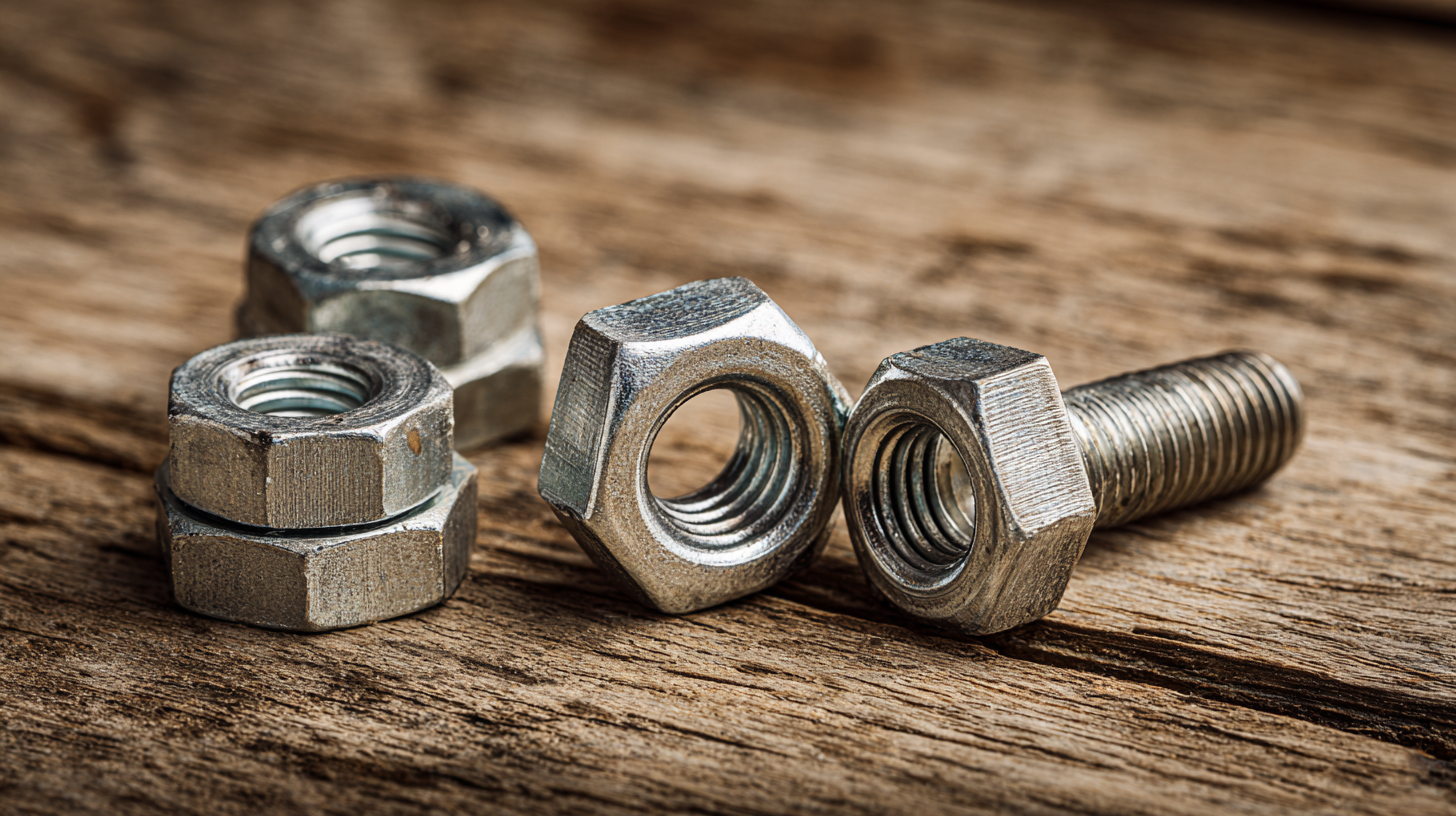
Proper installation techniques are equally crucial. Pre-drilling holes for tee nuts can minimize the risk of cracking and ensure a snug fit. A 2023 survey by the National Woodworking Association indicated that projects incorporating well-installed tee nuts experience fewer joint failures—up to 30% less—compared to those using traditional fastening methods. It is also advisable to choose tee nuts made from high-quality materials, as they tend to resist stripping and corrosion, thereby extending the life of your woodworking project. Focusing on these details will provide a more robust structure and a professional finish.