How to Choose the Best Hexagonal Nuts for Your Projects?
Choosing the right hexagonal nuts is crucial for any project. These fasteners come in various sizes and materials. The right choice can enhance the strength and durability of your assembly. Understanding your project's specific needs will guide your decision.
Hexagonal nuts serve multiple applications, from furniture assembly to heavy machinery. Factors to consider include material type, thread size, and load capacity. Each project may require unique specifications. For instance, a construction project demands high-strength nuts. Alternatively, lightweight applications might benefit from plastic hexagonal nuts.
Assessing your requirements is essential. Not all hexagonal nuts are created equal. Some may not perform under extreme conditions. Researching and testing different options can lead to better outcomes. Quality often varies between manufacturers. Engaging with experienced professionals can also provide valuable insights. Reflect on past projects to avoid repeating mistakes.
Understanding Hexagonal Nuts: Types and Specifications
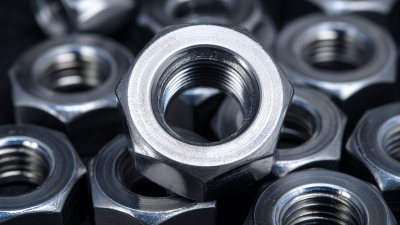
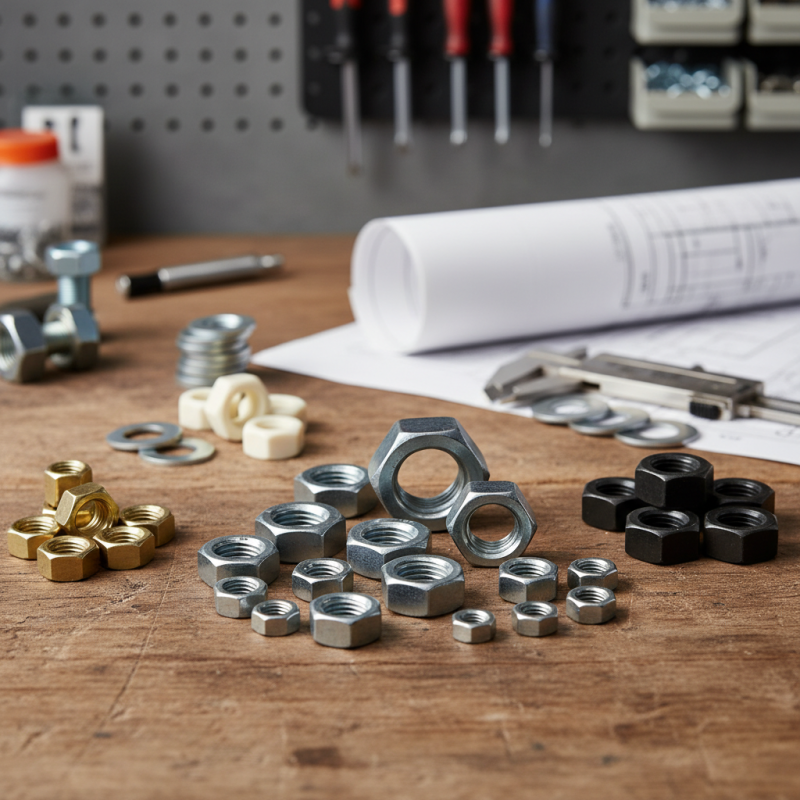
Hexagonal nuts are essential fasteners in various applications. They come in different types and specifications, making it crucial to understand their unique characteristics. A standard hexagonal nut features six flat sides and a central hole, accommodating bolts of specific diameters. The main types include regular, heavy, and thin nuts. Regular nuts are widely used, while heavy nuts provide extra strength for more demanding projects. Thin nuts save space but may not handle high torque.
Material choice also impacts performance. Common materials include steel, stainless steel, and brass. Steel nuts are strong and durable. Stainless steel offers corrosion resistance, ideal for outdoor use. Brass nuts are suitable for low-strength applications. However, selecting the wrong material could lead to early failure. So, consider the environment and load conditions.
Specifications like thread size and pitch are vital. These factors influence how well the nut fits with the corresponding bolt. Standards like metric and imperial threads should match your bolts precisely. A mismatch can render the assembly ineffective. Keep in mind that testing and trial fits are valuable. Ensure the nut secures properly during installation, as loose fittings can compromise structural integrity. Being informed about these details promotes better decision-making in your projects.
Hexagonal Nuts: Types and Specifications
Key Factors to Consider When Selecting Hexagonal Nuts
When selecting hexagonal nuts for any project, several factors come into play. Material choice is crucial. Steel, stainless steel, and brass are common options. Each material offers varying levels of strength and corrosion resistance. For instance, stainless steel is best for humid environments. However, it may not always be the most economical choice.
Another key consideration is size. Hexagonal nuts come in various dimensions, specifically thread size and width. It’s important to match these nuts with corresponding bolts. Mismatched sizes can lead to significant issues in assembly. Tolerance levels are also vital. An overly loose nut can compromise structural integrity, leading to disaster in critical applications.
Lastly, consider the application’s load requirements. Heavy-duty projects demand nuts that can withstand high stress. Delving into specifications can assist in preventing future problems. If you're unsure, consulting with a trusted supplier or resource can help clarify doubts. Recognizing these nuances ensures your selection process is more reliable and effective.
How to Choose the Best Hexagonal Nuts for Your Projects? - Key Factors to Consider When Selecting Hexagonal Nuts
| Material |
Size (Metric) |
Grade |
Coating |
Applications |
| Steel |
M8 |
8.8 |
Zinc-plated |
General construction |
| Stainless Steel |
M10 |
A2-70 |
Passivated |
Marine environments |
| Brass |
M6 |
C36000 |
None |
Electrical applications |
| Aluminum |
M12 |
6061-T6 |
Clear anodized |
Aerospace |
| Nylon |
M5 |
N/A |
UV stabilized |
Electrical insulation |
Materials and Coatings for Enhanced Durability
When selecting hexagonal nuts, the material plays a crucial role in performance. Common options include steel, stainless steel, and nylon.
Steel nuts are strong but may corrode easily in outdoor conditions. Stainless steel, while resistant to rust, can be more expensive. Nylon nuts offer lightweight and non-conductive properties, but they may not withstand high loads. It's essential to match the material to your project's specific requirements.
Coatings can significantly enhance the durability of hexagonal nuts. For instance, zinc plating provides a protective layer against rust. Galvanized nuts are even more durable for outdoor use. Some projects might benefit from a dry-film lubricant coating, which reduces friction and wear during installation. When considering coatings, think about the environment where the nuts will be used. Visible signs of wear may indicate that it's time to reassess your choices.
The choice of material and coating often requires balance. You should weigh durability against cost and practicality. Many users find that they overlook these factors until issues arise. It's not uncommon to see nuts failing in harsh environments due to inadequate material selection. Taking time to research and choose thoughtfully can prevent future problems. Consider that what works for one application may not suit another. Make decisions based on the specific needs of each project.
Sizing and Thread Standards for Hexagonal Nuts
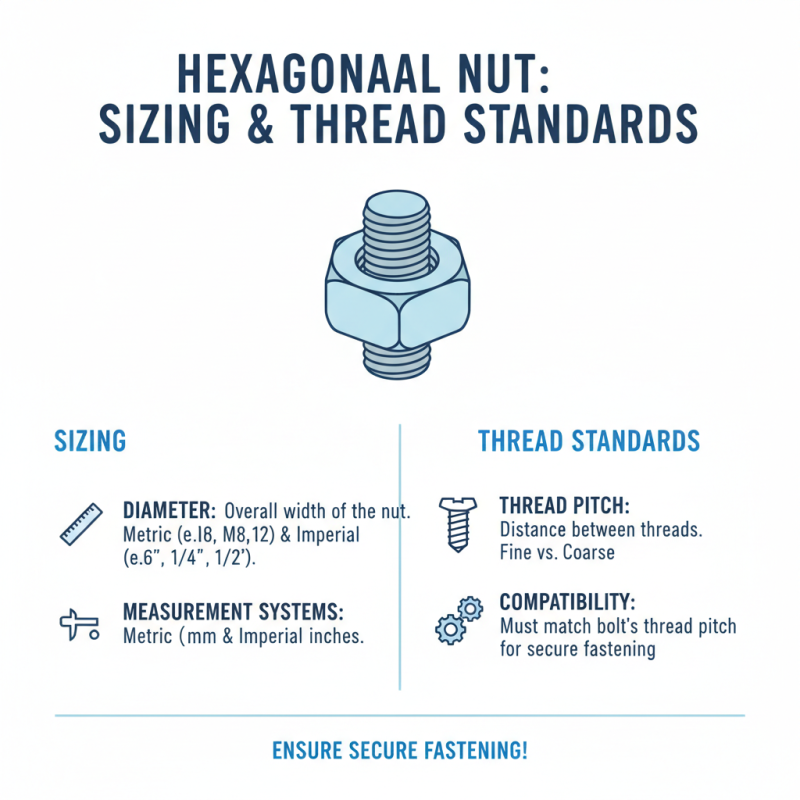
When selecting hexagonal nuts, understanding sizing and thread standards is crucial. Hexagonal nuts come in various sizes, typically defined by their diameter and thread pitch. Common sizes include metric and imperial measurements. The thread pitch refers to the distance between threads, which affects compatibility with bolts. Proper sizing ensures secure fastening in your projects.
Different standards govern hexagonal nuts, such as ISO and ANSI. Each standard has specific measurements, materials, and load-bearing capabilities. Familiarizing yourself with these standards helps avoid mismatched components. Misalignment can lead to mechanical failures, wasting time and resources. Always check both the thread type and nut size before making a purchase.
While it may seem straightforward, selecting the right hexagonal nuts can be challenging. Various materials are available, including stainless steel and low-carbon steel. Each material offers different strengths and corrosion resistance. Reflecting on your project’s requirements will guide your choice. Avoid rushing this decision; taking time to compare options pays off in the end.
Applications of Hexagonal Nuts in Various Projects
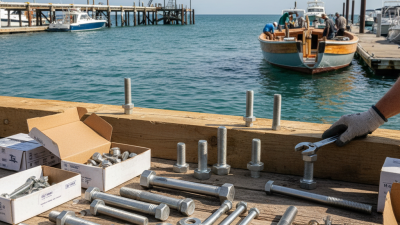
Hexagonal nuts are vital components in various projects. They ensure secure fastening in constructions, machinery, and more. Their applications range from building infrastructure to assembling furniture. In automotive projects, they are crucial for securing engine components. They help maintain structural integrity in bridges and buildings. A proper choice can enhance durability and reliability, impacting overall project success.
When selecting hexagonal nuts, consider material and size. Stainless steel offers corrosion resistance, ideal for outdoor use. Use the right size to ensure secure connections. A snug fit prevents loosening over time. Remember that improper sizing can lead to failures. Always check compatibility with bolts in your project.
Tips: Test nut and bolt combinations before finalizing your design. Work with various materials to find the best match. Don’t rush your selection; a thoughtful choice can save time and resources. Consider seeking advice from industry experts when in doubt. Their experience can guide you to make better decisions.