2026 How to Choose the Right Marine Fasteners for Your Boat Projects?
Choosing the right marine fasteners for boat projects is essential for longevity and safety. Marine fasteners are critical components that hold everything together. They ensure a vessel's structure is sound and secure. The right choice can prevent rust and corrosion, ensuring your boat remains seaworthy.
Many boat builders overlook marine fasteners. They might focus solely on aesthetics or other materials. This can lead to issues down the line. For instance, the wrong fastener can lead to structural failure. It's crucial to understand the materials and environmental factors affecting marine fasteners.
When selecting marine fasteners, consider the specific needs of your project. Different types and materials serve various purposes. Stainless steel is common, but not always the best choice. Knowledge of marine fasteners can empower you to make informed decisions. A well-chosen fastener is not just a minor detail; it’s a vital element of your boat's performance.
Understanding the Different Types of Marine Fasteners Available
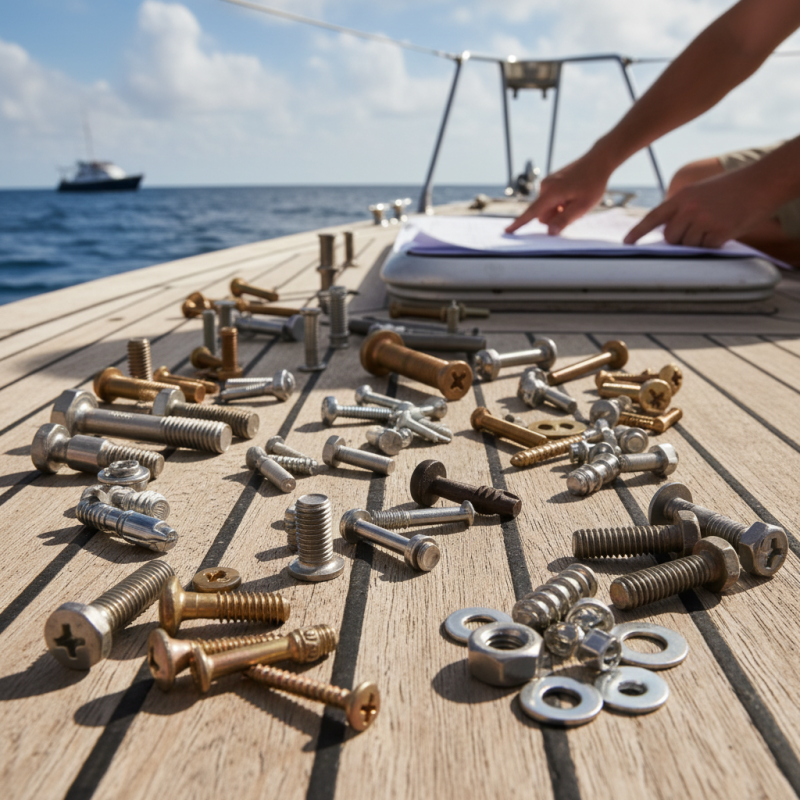
When embarking on boat projects, selecting the right marine fasteners is crucial. Various types are available, each serving different purposes. Stainless steel fasteners are popular due to their corrosion resistance. They can withstand harsh marine environments without degrading over time. Consider the type of application—different projects demand specific strengths and materials.
Plastic fasteners are another option, often used for lighter applications. They offer resistance to corrosion but might not hold up under heavy loads. For high-strength applications, look into bronze or titanium fasteners. These materials can handle more stress and provide longevity. However, the cost may be significantly higher.
Proper installation is essential for safety and performance. Some fasteners require specific tools or techniques to install correctly. It's important to read the guidelines thoroughly. Remember, if fasteners are not suitable for the project's nature, the whole structure can fail. Evaluate each type carefully, considering both short-term and long-term needs. Marine fasteners might seem straightforward, but making the right choice can save time and money.
Factors to Consider When Selecting Marine Fasteners for Your Boat
Selecting the right marine fasteners for boating projects involves several key factors.
First, consider the materials used.
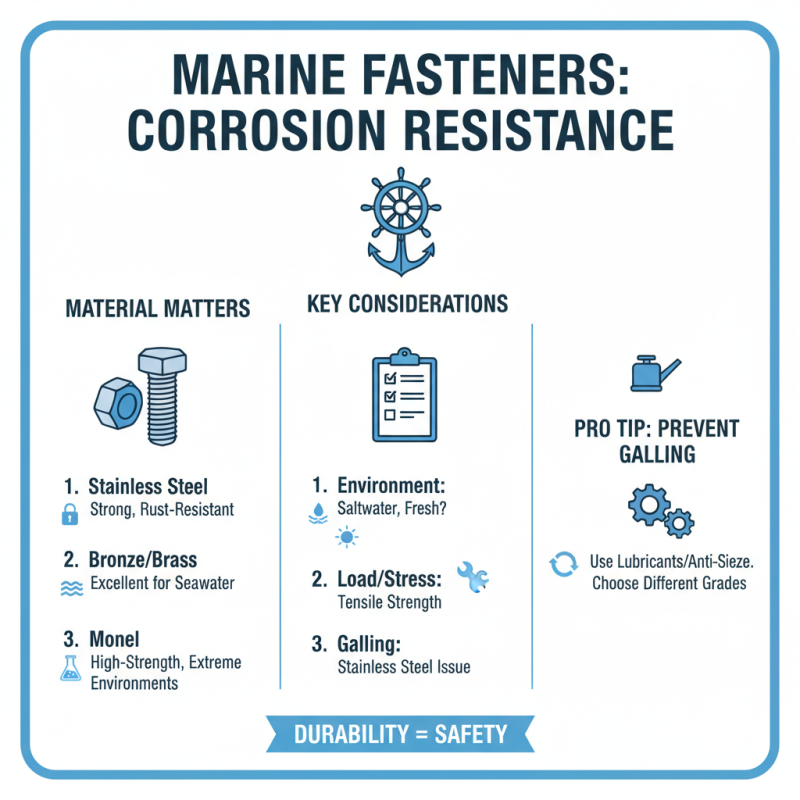
Stainless steel is common due to its resistance to corrosion. However, it’s essential to know the specific type, as not all stainless steel is equal. Look for fasteners that can withstand saltwater exposure, as marine environments can be harsh.
Next, think about the size and type of fasteners needed for your project.
Different parts of the boat may require specific fasteners. For instance, deck hardware may need stronger, larger bolts.
Evaluate the load and stress each fastener will endure. A mismatch can lead to failure during critical moments, potentially putting you and your boat at risk.
Finally, factor in ease of installation and maintenance. Fasteners that are difficult to access or install can lead to frustration, especially if they need frequent checks.
Consider using tools that simplify installation even if it increases costs slightly. Reflect on past projects and learn from experience.
What worked well? What didn't? Each choice shapes the overall integrity and safety of your boat.
Material Selection: Choosing Corrosion-Resistant Fasteners
Choosing the right marine fasteners is crucial for boat projects. Material selection plays a significant role in ensuring durability and safety. Corrosion resistance is a key factor due to the harsh marine environment. Stainless steel fasteners are popular for their strength and resistance to rust. However, they can be prone to galling, affecting performance over time.
Another option is bronze, known for its excellent corrosion resistance in saltwater. It is less likely to corrode and provides a reliable choice. Yet, bronze options can be more expensive and may require careful sourcing. Plastic fasteners, while lightweight, have limitations in strength and heat resistance. They can deform under high pressure, so they're best suited for non-critical applications.
Reflecting on fastener choices is essential. Sometimes, boat builders prioritize cost over quality, leading to regrets later. Investing in superior materials may save money and time in the long run. Conducting thorough research on fastener materials ensures the success of your boat projects. Making informed decisions can lead to a safer and more enjoyable boating experience.
Understanding Fastener Sizes and Thread Types for Marine Applications
Choosing the right marine fasteners is crucial for any boat project. Fasteners come in various sizes and thread types, which can greatly affect performance. Understanding these details helps ensure safety and durability.
Fastener sizes typically correspond to the diameter and length. For marine applications, the diameter often ranges from 1/4 inch to 1/2 inch, but the exact size depends on the project requirements. Be mindful that improperly sized fasteners may lead to structural failures.
When selecting thread types, consider coarse versus fine threads. Coarse threads are generally easier to install and remove. Fine threads provide better resistance to vibration and may be more suitable for specific applications. However, without careful consideration, you may encounter issues with cross-threading.
Tips: Always consult reliable resources or experienced boat builders for fastener advice. Additionally, don't hesitate to experiment with different fastener types on small projects. This hands-on approach allows you to identify what works best in your specific situation.
Best Practices for Installing and Maintaining Marine Fasteners
Choosing the right marine fasteners is essential for any boat project. Understanding best practices in installation and maintenance can significantly enhance longevity and performance. According to industry reports, nearly 70% of fastener-related failures stem from improper installation or inadequate maintenance.
Regular inspection of fasteners is crucial. Look for signs of corrosion, especially in marine environments. Saltwater can severely degrade metals. Using stainless steel fasteners is recommended, but even these require attention. A study by the Marine Fasteners Association suggests that regular cleaning and applying protective coatings can extend the life of fasteners by up to 60%.
**Tip:** Always use the recommended torque specifications. Over-tightening can lead to thread stripping, while under-tightening can result in loose parts.
Maintenance should include periodic checks every few months. This ensures that any potential issues are caught early. Document your fastener inspections to track patterns of wear or failure. This practice improves your understanding of your boat’s needs.
**Tip:** Consider the environment. Different waters and climates can influence the types of fasteners required. Always choose materials suited for your specific conditions.
2026 How to Choose the Right Marine Fasteners for Your Boat Projects?