How to Choose the Right Pipeline Fasteners for Your Project?
Choosing the right pipeline fasteners is crucial for any construction project. These small yet vital components ensure the stability and safety of pipeline systems. Without proper selection, projects can face delays and cost overruns.
Pipeline fasteners come in various types, sizes, and materials. Each designed to meet specific needs and conditions faced during installation. Selecting the wrong type can lead to failures, which can be costly. It's a complex decision, often overlooked. Professionals must consider factors like load requirements, environmental conditions, and ease of installation.
Moreover, understanding the nuances of each material is essential. For instance, stainless steel fasteners offer corrosion resistance, while plastic options may be cheaper but less durable. Sometimes, the choice is not clear-cut. Balancing quality and cost can be frustrating. Reflecting on past projects can provide valuable insights into what worked—and what didn’t—in fastener selection.
Understanding the Different Types of Pipeline Fasteners Available
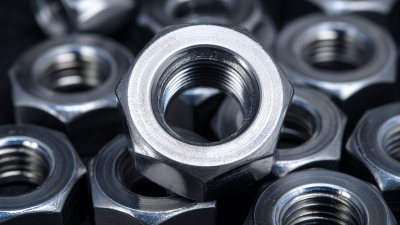
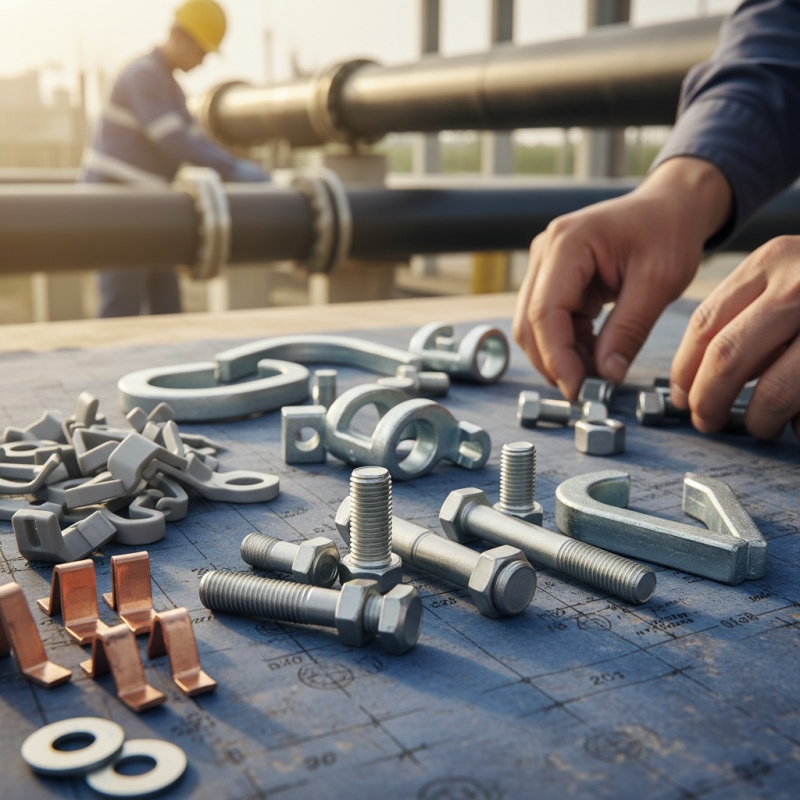
When selecting pipeline fasteners, understanding the various types available is crucial. Fasteners like bolts, nuts, and screws come in different materials and sizes, each serving a unique purpose. For example, stainless steel fasteners resist corrosion, making them ideal for outdoor installations. Meanwhile, carbon steel options provide strength but may need protective coatings. The choice between these depends largely on the project environment and its specific requirements.
Another consideration is the type of application. Some projects require high-tensile fasteners for durability under pressure. Others may use regular fasteners for lighter applications. It’s important to gauge the load and stress each fastener will endure. Choosing the wrong type can lead to failures, which is a costly mistake. Not all fasteners will fit every situation, and experimenting is sometimes necessary to find the right one.
Finally, don’t ignore installation methods. Certain fasteners require specific tools and techniques, which can complicate the process. Understanding these nuances before starting your project can save time and resources. Fastener selection is more than just picking a part; it's about ensuring reliability and safety.
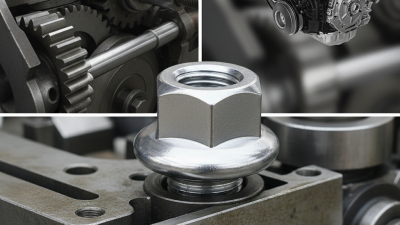
Pipeline Fasteners Types and Their Use Cases
Evaluating Material and Coating Options for Durability
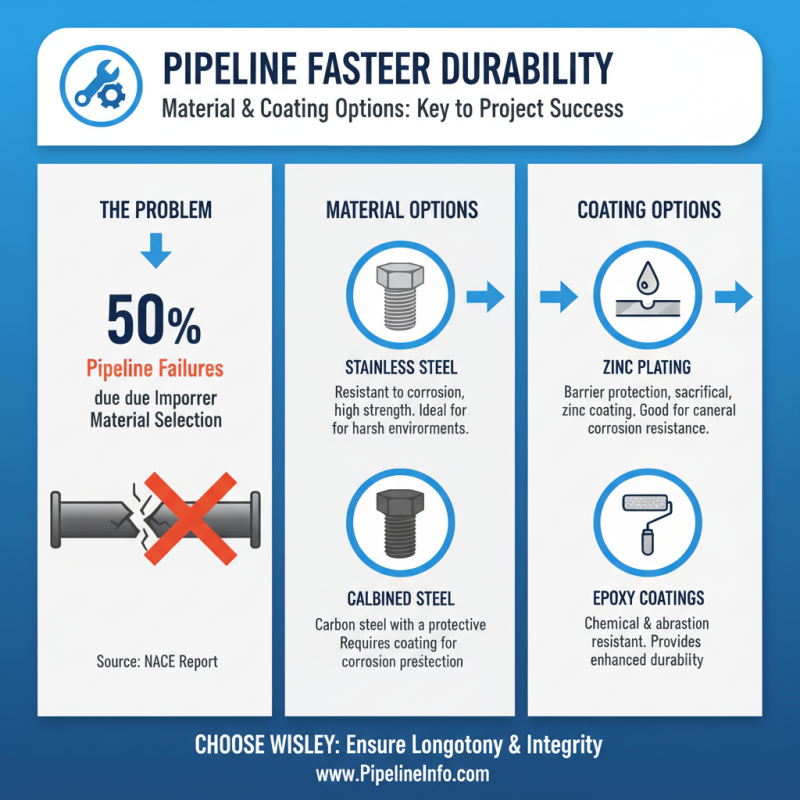
Choosing the right pipeline fasteners is crucial for project success. When it comes to durability, material and coating options are key considerations. According to a report by the National Association of Corrosion Engineers, improper material selection can lead to over 50% of failures in pipeline integrity. Therefore, understanding materials like stainless steel, carbon steel, and galvanized coatings is essential.
Stainless steel offers excellent corrosion resistance. It's ideal for environments with high moisture. However, it can be more expensive and may still corrode in saline environments. Carbon steel is cost-effective but is prone to rust. Regular maintenance is necessary to ensure its longevity. Galvanized fasteners provide a protective zinc coating, enhancing durability against corrosion.
Understanding these options is not straightforward. Many may overlook the importance of coating thickness. A report indicated that inadequate coatings can shorten the lifespan of fasteners by up to 30%. Choosing the right fastener involves weighing cost against potential long-term savings. It’s worth digging deeper into the specifics of your project’s environment. Make informed decisions to avoid future headaches.
Assessing Load Requirements and Environmental Conditions
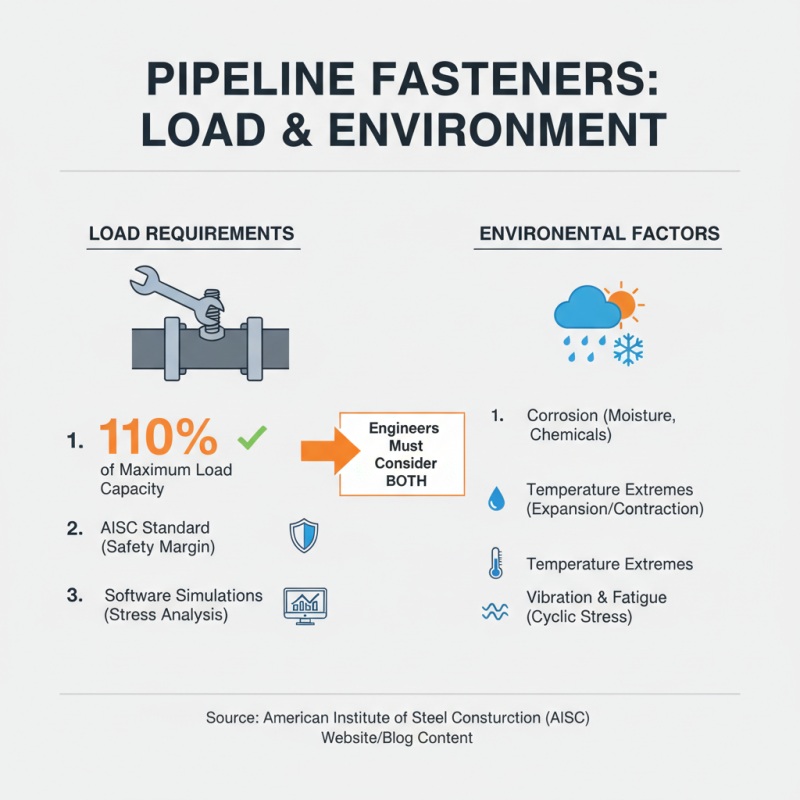
When selecting pipeline fasteners, understanding load requirements is crucial. The American Institute of Steel Construction (AISC) states that fasteners must withstand at least 10% more than the maximum load. This requirement is vital for ensuring safety and longevity. Engineers often use software simulations to assess potential stress levels based on real-time data. Yet, many neglect the environmental factors impacting these fasteners.
Environmental conditions can drastically affect fastener performance. Extreme temperatures can cause materials to expand or contract, which may alter load-bearing capacities. According to a research report by the National Institute of Standards and Technology (NIST), fasteners exposed to corrosive environments can lose strength by up to 40%. Regular evaluations and material tests help mitigate this issue. However, not all projects prioritize this assessment.
China’s construction industry has shown increasing engagement in addressing these challenges. They employ innovative materials that resist corrosion and temperature changes. Though improvements are being made, many sites still use outdated practices. Project managers often overlook the need for continuous training. Identifying these gaps can lead to better choices in fasteners, ensuring durability and safety in pipeline construction.
Considerations for Installation and Maintenance of Fasteners
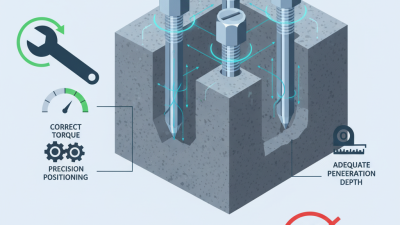
When selecting pipeline fasteners, installation and maintenance often take a backseat. However, they are crucial to the project's long-term success. Reports indicate that improper installation can lead to over 30% of early failures in pipeline systems. This underscores the importance of understanding fastening methods and their implications.
Fasteners must be suited for specific applications, particularly regarding material compatibility and environmental conditions. Exposed to moisture, certain fasteners corrode quickly. For example, the National Association of Corrosion Engineers reports that corrosion-related failures cost industries billions annually. Regular maintenance checks can help identify problems before they escalate. Many professionals recommend inspecting fasteners at least twice a year.
Improper maintenance can create a false sense of security. Some may think that a once-a-year inspection suffices, but this is often not enough. Without routine checks, hidden issues may go unnoticed. Projects experience delays due to unexpected fastener failures, creating budget overruns. Understanding the vital role of installation and maintenance can prevent costly setbacks and enhance efficiency.
How to Choose the Right Pipeline Fasteners for Your Project? - Considerations for Installation and Maintenance of Fasteners
| Fastener Type |
Material |
Corrosion Resistance |
Load Capacity |
Installation Method |
Maintenance Requirements |
| Bolts |
Steel |
Moderate |
High |
Wrench Tightening |
Periodic Checks |
| Nuts |
Stainless Steel |
High |
Medium |
Hand Tightening |
Low Maintenance |
| Anchors |
Aluminum |
Very High |
Very High |
Drilling |
Routine Checks |
| Screws |
Carbon Steel |
Low |
Medium |
Power Tools |
Regular Inspection |
| Washers |
Copper |
High |
Low |
Hand Tightening |
Minimal Maintenance |
Selecting Fasteners Based on Budget and Project Timeline
When selecting pipeline fasteners, budget and timeline are crucial.
A well-planned budget can prevent costly mistakes. Initial costs often seem low, but hidden expenses may arise. You might need to invest in higher quality fasteners. They can offer better durability and reduce future maintenance costs.
Understanding your timeline is also essential. Fasteners may have different lead times for delivery. If you're on a tight schedule, stock options may help. However, these might not meet the quality requirements. Rushing can lead to poor decisions. A good approach is to list your priorities, focusing on what you can compromise.
Sometimes, you may find the right fastener, but it exceeds your budget. This could lead to tough choices. You might decide to allocate funds from other parts of the project. Reflecting on these decisions is key. It could save money and time in future projects. Balancing budget and timeline is never easy, but it’s essential for success.