How to Choose the Right Spherical Collar Hexagon Nut for Your Project?
Choosing the right Spherical Collar Hexagon Nut is crucial for engineering projects. Accurate selection impacts both structural integrity and performance. The global fastener market is expected to reach $120 billion by 2025, highlighting the importance of quality components. Selecting a nut that meets project specifications can prevent costly failures.
When assessing options, consider factors like material type, load capacity, and environmental conditions. A report indicates that 30% of fastener failures relate to incorrect component selection. Reliable suppliers must provide detailed specifications and certifications. Look for suppliers with ISO or CE certifications to ensure compliance with industry standards.
Purchasing decisions should also involve evaluating long-term costs versus initial ones. Choosing lower-quality components might save money short-term but lead to increased maintenance efforts. Reflecting on these factors can ultimately determine project success. Carefully weigh all considerations before making a final decision on Spherical Collar Hexagon Nuts.
Understanding Spherical Collar Hexagon Nuts and Their Applications
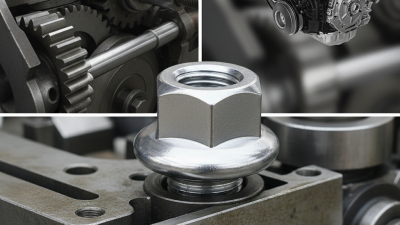
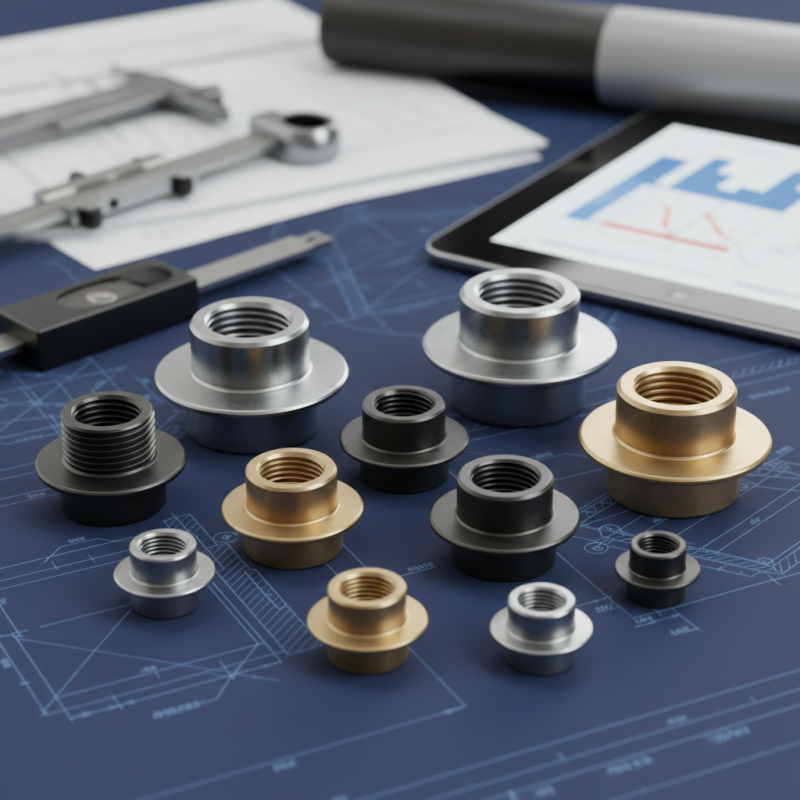
Spherical collar hexagon nuts play a crucial role in various mechanical applications. Their design allows for angular misalignment, providing stability in dynamic conditions. According to a recent industry report, over 30% of machinery failures are due to inadequate fastening solutions. This highlights the need for precision in selecting the right components.
These nuts are particularly useful in automotive and aerospace sectors. In these industries, even minor misalignments can lead to significant failures. The spherical design helps accommodate these discrepancies, ensuring durability. A study indicates that using spherical collar hexagon nuts can enhance performance by up to 25% in high-stress environments.
While the benefits are clear, choosing the right nut involves careful consideration. Factors like material, size, and load capacity must match project needs. Not all applications require spherical collar nuts. In cases where misalignment is not an issue, traditional nuts may be more appropriate. Reflecting on project requirements is crucial for optimal performance.
How to Choose the Right Spherical Collar Hexagon Nut for Your Project?
| Material |
Size (mm) |
Load Capacity (kN) |
Application Area |
Operating Temperature (°C) |
| Steel |
10 |
20 |
Automotive |
-20 to 120 |
| Stainless Steel |
12 |
25 |
Construction |
-40 to 150 |
| Bronze |
15 |
30 |
Marine |
Aluminum |
8 |
15 |
Aerospace |
-50 to 100 |
| Plastic |
6 |
10 |
Electronics |
-20 to 60 |
Key Factors to Consider When Choosing Spherical Collar Hexagon Nuts
Choosing the right spherical collar hexagon nut can significantly impact the success of your project. Key factors to consider include material selection, load capacity, and compatibility with your assembly's design. According to industry reports, nuts made from high-strength steel provide superior performance, especially in heavy-load applications. The material should align with the environmental conditions, such as corrosion resistance for outdoor projects.
Tip: Always assess the expected load. For projects involving dynamic loads, opt for nuts with a higher load rating. This ensures stability and safety.
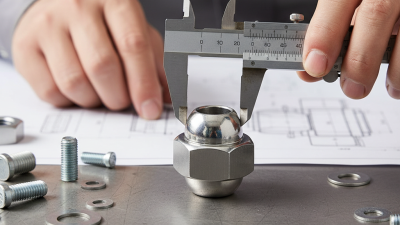
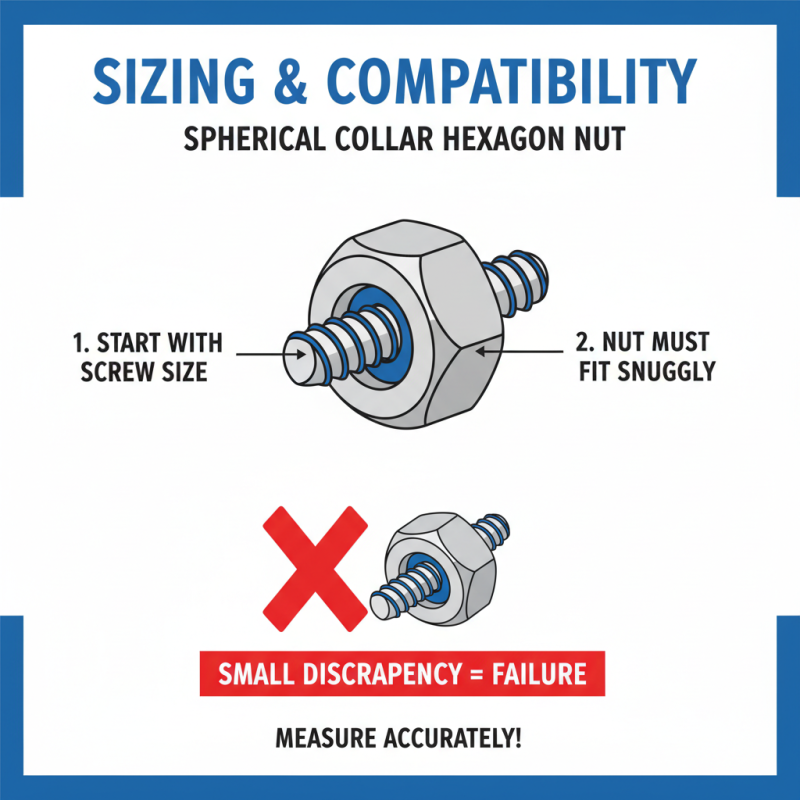
Compatibility is crucial. Ensure the nut fits well with the bolts you plan to use. An improper fit can lead to failure. An engineering study indicates that a mismatch of just 0.1mm can significantly affect efficacy. Consider the nut's dimensions carefully, focusing on diameter and thread pitch.
Tip: Conduct mock fittings during the design phase. This can reveal potential issues early and save time. Small oversights can lead to costly mistakes later on. Always double-check specifications throughout the selection process.
Bar Chart of Key Factors in Choosing Spherical Collar Hexagon Nuts
Material Options for Spherical Collar Hexagon Nuts and Their Benefits
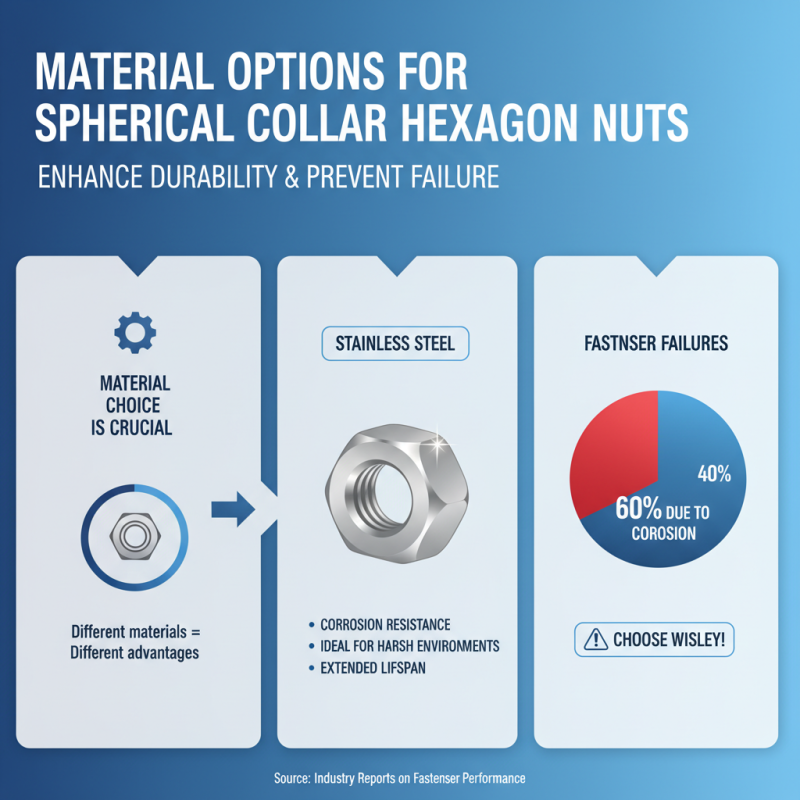
When selecting a spherical collar hexagon nut, material choice is crucial. Different materials offer distinct advantages. For instance, stainless steel is known for its corrosion resistance. According to industry reports, about 60% of fastener failures are due to corrosion-related issues. This statistic underscores the importance of choosing the right material to enhance durability.
Another popular material is carbon steel. It provides strength and is often more affordable. However, it may corrode faster if not properly treated. In harsh environments, this could lead to significant failures. Many projects may overlook this; understanding the environment is key.
Tips: Always assess your project requirements. Corrosive environments call for stainless or treated materials. Regular maintenance can extend the lifespan of carbon steel. Ensure you’re aware of the specifics to avoid future complications. Remember, sometimes lower cost means higher risk. Choose wisely to reflect the real needs of your project.
Best Practices for Installation and Maintenance of Spherical Collar Nuts
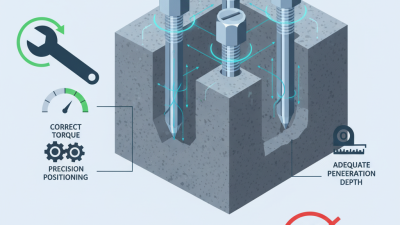
When working with spherical collar hexagon nuts, proper installation and maintenance are key to ensuring functionality. Begin by ensuring that the mating surfaces are clean and free of debris. Any dirt or corrosion can lead to improper fitting and eventual failure. Use a torque wrench to apply the appropriate force during installation. This avoids overtightening, which can damage the nut or the bolt.
After installation, regular inspections are crucial. Look for signs of wear, rust, or any misalignment. Spherical collar nuts should move smoothly; stiffness may indicate a problem. If you notice any issues, do not delay in addressing them. Ignoring small problems can lead to larger, costlier failures down the line.
Lubrication is another aspect that should not be overlooked. A light application of suitable lubricant enhances performance and prevents corrosion. However, avoid excessive grease, as it can attract dust and debris, potentially hindering functionality. Balance and caution are essential in both installation and maintenance to ensure long-lasting performance.