Understanding Dome Head Bolts: Their Benefits and Applications in Modern Engineering
In the realm of modern engineering, the choice of fasteners plays a crucial role in ensuring the integrity and longevity of structures and machinery. Among the various types of fasteners available, Dome Head Bolts have gained significant attention due to their unique design and versatile applications. Characterized by their rounded, dome-shaped heads, these bolts provide not only aesthetic appeal but also enhanced load distribution and resistance to shearing forces. As engineers seek innovative solutions that combine functionality with reliability, understanding the benefits and practical uses of Dome Head Bolts becomes essential.
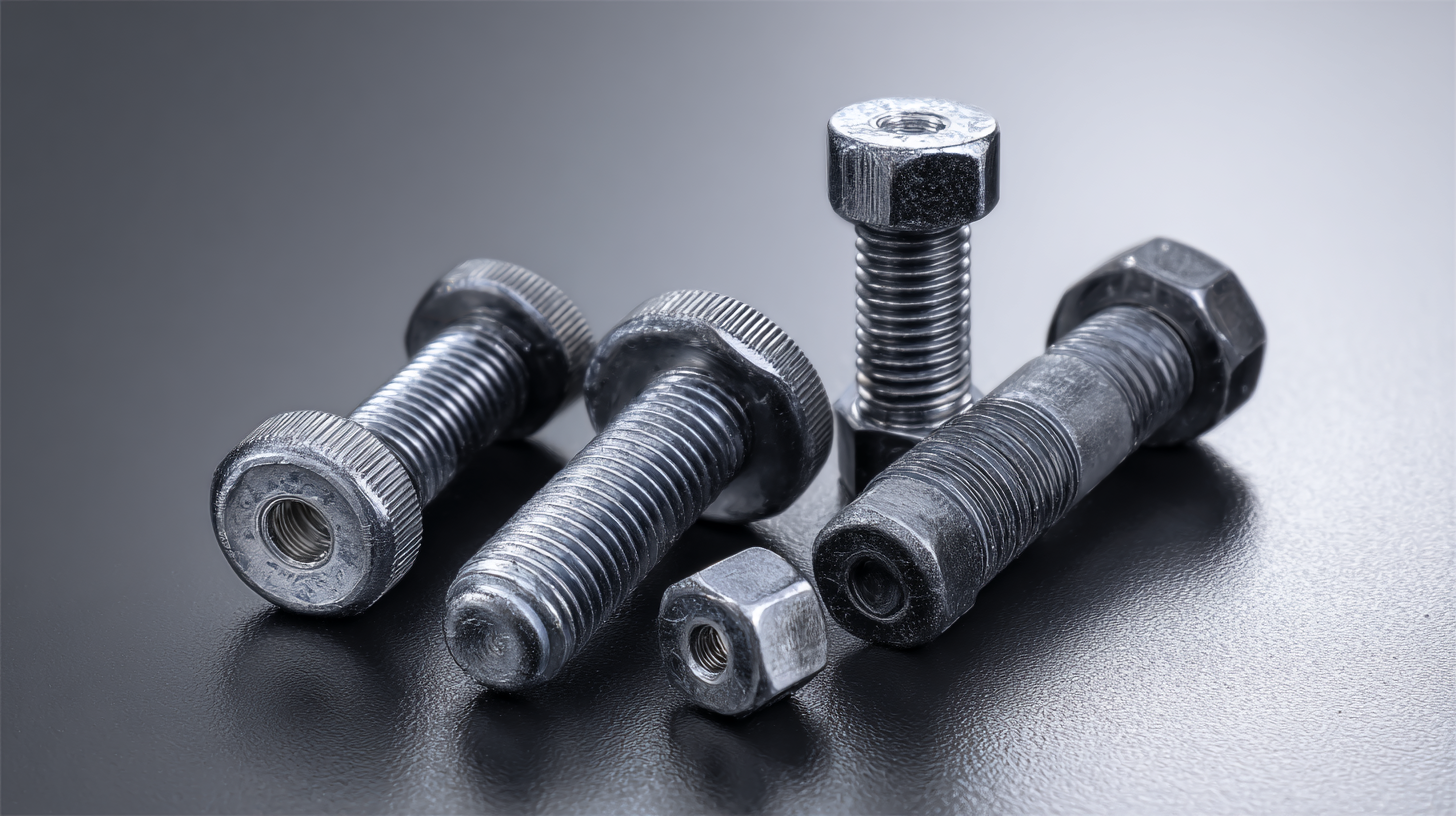
This guide will delve into the features that make these bolts a preferred choice in various industries, ranging from construction to automotive, while exploring the best practices for their selection and installation. Through this exploration, we aim to equip readers with insights into how Dome Head Bolts can effectively meet the demands of contemporary engineering projects.
Benefits of Dome Head Bolts: Enhancing Structural Integrity and Performance
 Dome head bolts are increasingly recognized in modern engineering for their unique design and benefits, particularly in enhancing structural integrity and performance. The rounded shape of the dome head allows for a greater surface area in contact with the materials being fastened, which helps distribute loads more evenly. This characteristic is especially crucial in structures that must withstand dynamic forces, such as those experienced during seismic events.
Recent experimental studies focusing on hybrid concrete-steel structures highlight the importance of reliable connection systems. Integrating dome head bolts within these splice joints can significantly improve the overall seismic performance of the structures. The enhanced load distribution provided by dome head bolts not only minimizes stress concentrations but also contributes to the longevity and durability of the construction.
As urban districts undergo revitalization, the adoption of innovative fastening solutions like dome head bolts becomes essential in developing safe and resilient infrastructures.
Applications of Dome Head Bolts in Aerospace and Automotive Engineering
Dome head bolts are gaining traction in aerospace and automotive engineering due to their unique design and structural benefits. The rounded, smooth surface of dome head bolts minimizes stress concentrations and enhances durability, making them ideal for high-performance applications. According to a report by the Aerospace Industries Association, the demand for reliable fasteners in aerospace applications is projected to grow by 4.5% annually through 2025, driven by advancements in aircraft technology and increased manufacturing efficiency.
In the automotive sector, dome head bolts are increasingly used in assembly processes where streamlined designs are crucial. A study published by the Society of Automotive Engineers highlights that the use of dome head bolts can reduce part weight by up to 20% compared to traditional fasteners. This weight reduction is vital for improving fuel efficiency and overall vehicle performance, particularly as manufacturers aim to meet rigorous environmental standards. Moreover, the ability of dome head bolts to resist corrosion makes them suitable for use in environments exposed to high levels of moisture and chemicals, ensuring longevity and reliability in crucial automotive components.
Comparative Strength Analysis: Dome Head Bolts vs. Traditional Bolt Designs
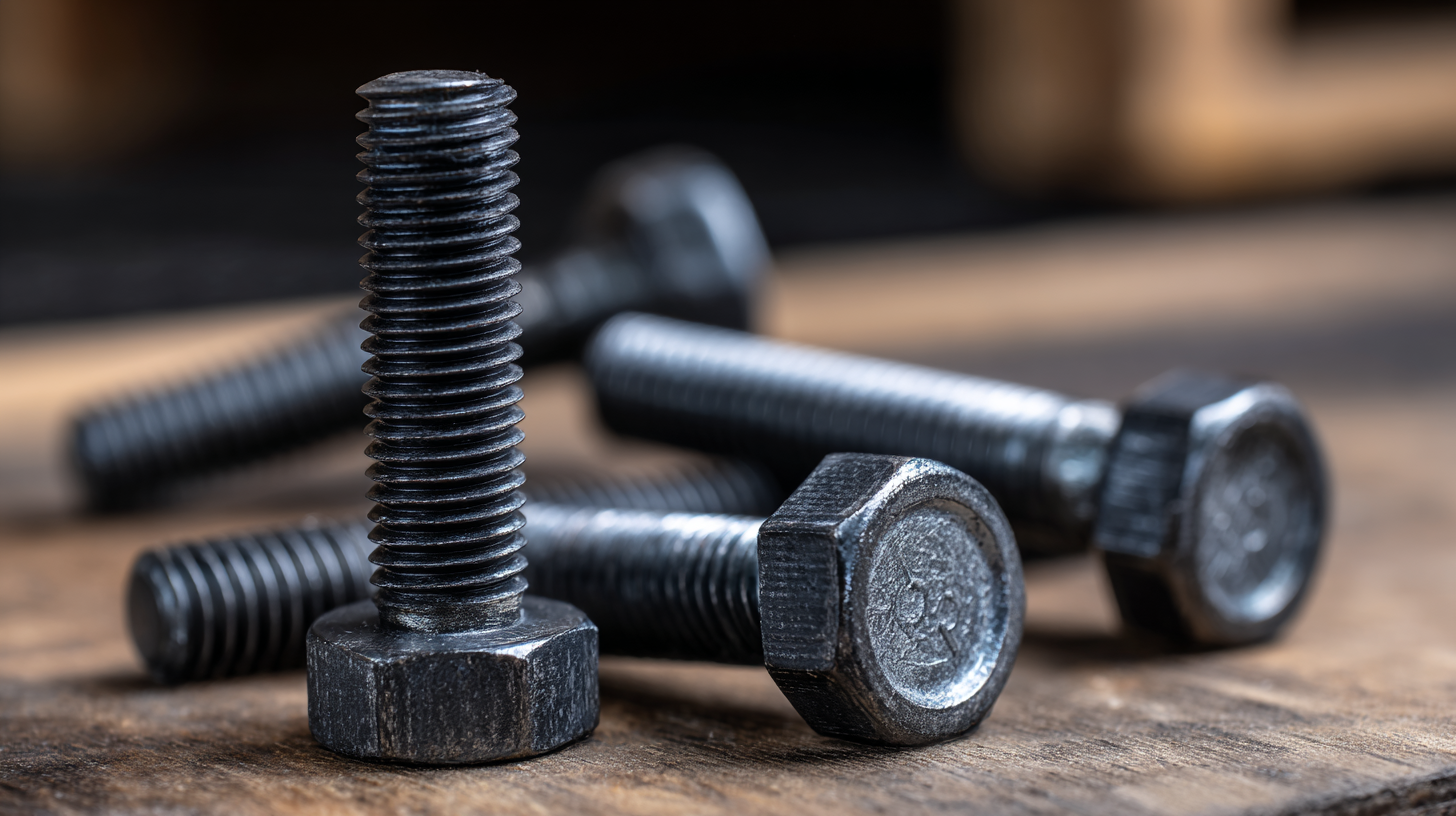
Dome head bolts are increasingly gaining traction in modern engineering due to their unique design and enhanced performance characteristics. When comparing the strength of dome head bolts to traditional bolt designs, it’s crucial to consider the differences in load distribution and stress handling capabilities. The rounded shape of the dome head helps distribute forces more evenly across the joint, which can significantly reduce the risk of failure under high-stress conditions. This can be particularly beneficial in applications where vibration and dynamic loads are prevalent.
**Tips:** When selecting bolts for your projects, consider the specific load requirements and environmental conditions they will face. Dome head bolts might offer superior performance in situations where traditional bolts struggle, such as in high-vibration environments or where aesthetic appearance is a consideration.
Moreover, the installation process for dome head bolts can also present advantages. Their design allows for easier alignment during assembly, which can lead to a more efficient fastening process overall. Traditional bolts often require precise drilling and alignment, whereas dome head bolts can tolerate slight misalignments better, making them a preferred choice for large-scale engineering projects.
**Tips:** Always ensure that you have the right tools for installation. Using the correct torque specifications when tightening dome head bolts is crucial to maintain their integrity and performance.
Comparative Strength Analysis: Dome Head Bolts vs. Traditional Bolt Designs
Innovations in Dome Head Bolt Manufacturing: Impact on Cost and Efficiency
The manufacturing landscape for dome head bolts has evolved significantly, driven by innovations that enhance both cost-effectiveness and operational efficiency. Modern techniques such as automated machining and advanced material processing have led to the production of dome head bolts that are not only cost-efficient but also possess improved durability and performance. These innovations allow manufacturers to streamline their operations, reduce material waste, and deliver high-quality products at competitive prices.
One of the notable advancements in dome head bolt manufacturing is the incorporation of smart manufacturing technologies, such as IoT sensors and real-time data analytics. These technologies enable manufacturers to monitor production processes closely, ensuring precision and minimizing errors. By optimizing the manufacturing workflow, companies can achieve higher throughput while maintaining strict quality standards. As a result, the engineering and construction sectors can benefit from a reliable supply of dome head bolts, ultimately improving the overall efficiency of projects that rely on these essential components.
Understanding Dome Head Bolts: Their Benefits and Applications in Modern Engineering
| Attribute |
Description |
Benefits |
Applications |
| Design |
Dome-shaped head providing a smooth aesthetic |
Reduced risk of injury from sharp edges |
Furniture, automotive parts |
| Material |
Typically made from stainless steel, alloy steel, or plastic |
Corrosion resistance and durability |
Construction, machinery |
| Manufacturing Process |
Advanced machining techniques including CNC |
Improved precision and reduced waste |
Aerospace, robotics |
| Cost Efficiency |
Economies of scale in production |
Lower unit costs and bulk purchasing |
Industrial applications, mass production |
| Performance |
High load-bearing capacity |
Reliable fastening in demanding conditions |
Heavy machinery, construction |
Industry Standards and Specifications Governing Dome Head Bolt Usage
Dome head bolts are an integral component in modern engineering, favored for their unique shape and durability. Industry standards and specifications play a crucial role in governing their usage, ensuring that they meet performance and safety criteria. Standards such as ASTM A307 for carbon steel bolts and ISO 4014 cover the dimensional and mechanical properties essential for reliable applications. Following these guidelines not only guarantees the quality of the bolts but also enhances the structural integrity of assemblies in which they are used.
**Tip:** When selecting dome head bolts, always check if they meet the relevant industry standards to ensure compatibility with your project requirements. This will prevent costly downtimes and ensure safety.
In addition to dimensional specifications, it is vital to consider the materials and coatings of dome head bolts. Different environments might require specific corrosion-resistant finishes or stronger alloys. Complying with standards like ASTM B117 for salt spray testing can help determine the longevity and performance of these bolts in challenging conditions.
**Tip:** Perform regular inspections and maintenance on dome head bolts in high-corrosion environments. Maintaining a schedule will help identify wear early, ensuring continued safety and effectiveness in your projects.