What is Expansion Shell Anchorage and How Does It Work?
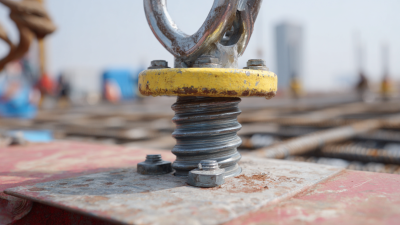
Expansion Shell Anchorage is a widely used anchoring system in construction. It provides secure fastening in materials like concrete and brick. The effectiveness of this system depends largely on its design and proper installation. When installed correctly, it can handle various loads and stresses.
Understanding how Expansion Shell Anchorage works is crucial for ensuring safety and durability in projects. The mechanism relies on the expansion of a shell when a bolt is tightened. This creates a strong grip within the base material. However, improper installation can lead to failures, resulting in costly repairs and safety hazards.
In many cases, builders overlook the specifications required for ideal performance. Factors such as hole size and depth directly influence anchorage strength. It’s essential to take the time to assess these details thoroughly. Awareness of these elements can help avoid potential pitfalls, ensuring projects are completed successfully.
What is Expansion Shell Anchorage?
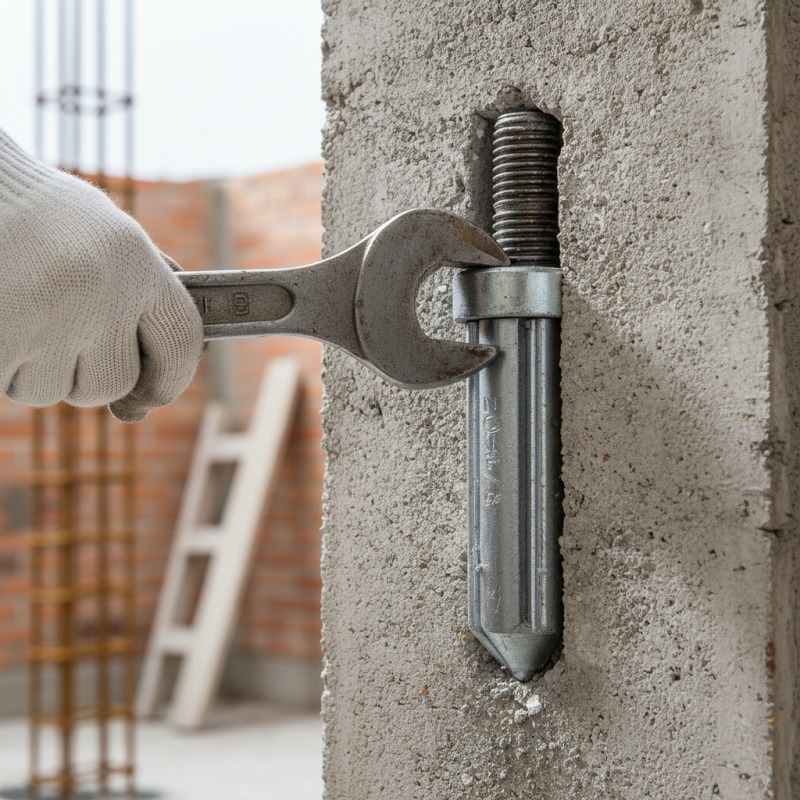
Expansion shell anchorage is a crucial component in construction and masonry. This type of anchorage provides reliable support and stability for various structures. Expansion shell anchors work by expanding within a drilled hole, gripping the surrounding material. This mechanism ensures a strong hold, making it ideal for securing heavy fixtures.
Recent industry reports indicate that the global demand for expansion shell anchors has surged. According to a 2022 market analysis, the growth rate is projected to be around 7.5% annually. This indicates a rising reliance on durable anchorage solutions across construction sites. However, improper installation can lead to failures, risking safety. A study revealed that 30% of anchorage failures stem from inadequate expansion within the material.
The versatility of expansion shell anchors stands out in various applications. They are suitable for concrete, brick, and masonry. The depth of the hole and the type of material significantly affect performance. Professionals must consider these factors diligently to avoid costly mistakes. Each installation presents unique challenges, requiring careful evaluation and planning.
Expansion Shell Anchorage Types and Their Applications
Components of Expansion Shell Anchorage
Expansion shell anchorage is a system used to secure different structures. Its components play a vital role in ensuring stability and durability. Understanding these components is essential for effective application.
The primary component is the expansion shell itself. It expands inside a pre-drilled hole when a bolt is tightened. This creates a strong grip within the material. The shell can be made from steel or other strong materials, which enhance its strength. An inner cone directs the expansion outward. It’s this feature that prevents the anchor from pulling out.
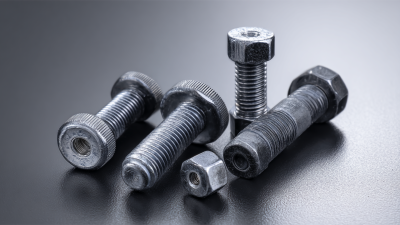
Another key component is the bolt. It varies in length and diameter, adding versatility to the anchorage system. When selecting a bolt, it is crucial to consider the load it will bear. The nut holds the assembly together. It's often overlooked, yet its quality is vital for the connection’s integrity. Lastly, washers distribute the load more evenly, reducing stress points. All these components must work in harmony. Overlooking any part can compromise the entire system’s reliability. Proper installation and materials choice are essential for safety.
How Expansion Shell Anchorage Functions
Expansion shell anchorage is a critical component used in various construction and engineering applications. These devices work by creating a secure attachment to materials like concrete or masonry. The expansion mechanism involves a shell that expands inside the drilled hole, securely gripping the substrate. This design is particularly effective under shear and tensile loads. According to a report by the American Concrete Institute, these systems yield strong performance, with some achieving load capacities over 5,000 pounds.
When considering the installation of expansion shell anchors, proper site preparation is essential. The correct drilling technique and diameter are vital for optimal performance. A study from the International Journal of Engineering Research indicates that improperly sized holes can reduce load capacity by up to 40%. It’s crucial to follow manufacturer guidelines closely during installation.
Tip: Always test a small sample installation before proceeding with larger projects. Verify load capacities with appropriate weights to avoid failures. Paying attention to these details can make the difference between success and costly mistakes, especially in heavy-duty applications where safety is paramount.
Applications of Expansion Shell Anchorage
Expansion shell anchorage is a popular method used in construction and engineering. It plays a crucial role in ensuring structures remain stable. The main advantage is its ability to secure objects to concrete, brick, or masonry. This feature is vital for various applications.
In residential buildings, expansion shell anchorage helps in mounting heavy fixtures. For example, shelves and cabinets benefit from reliable anchorage. Additionally, in commercial settings, they support signage and lighting fixtures. The secure fit of these anchors provides peace of mind. However, improper installation may lead to failures. Over-tightening can crack the substrate, causing potential hazards.
Infrastructure projects also utilize expansion shell anchorage. Bridges and highways need strong attachments for safety. In such cases, engineers must ensure proper calculations. Misjudgments could result in dire consequences. Every project should consider the environmental factors. Temperature changes may affect the anchorage effectiveness. Awareness is key to preventing future issues.
Advantages and Limitations of Expansion Shell Anchorage
Expansion shell anchorage is essential in construction. It provides strong, reliable connections in concrete. However, it comes with both advantages and limitations.
One significant advantage is its load-bearing capacity. According to industry reports, expansion shell anchors can support loads varying from 1,500 to 8,000 pounds, depending on installation and substrate conditions. This makes them suitable for heavy applications, such as structural supports and machinery anchoring. Additionally, their installation doesn't require specialty tools, making them accessible for various projects.
However, there are limitations. For instance, expansion shell anchors rely on the integrity of the surrounding material. If the concrete is cracked or weakened, the anchors may not perform as expected. Moreover, they can be susceptible to corrosion in high-moisture environments. Reports indicate that corrosion can reduce anchor strength by as much as 50%. This highlights the need for careful material selection and installation practices to ensure safety.