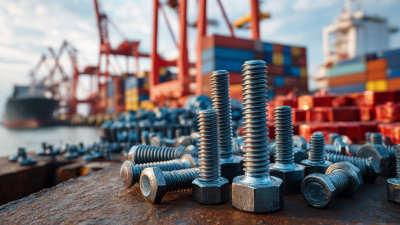
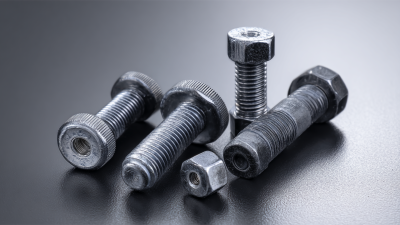
What is the Importance of Marine Fasteners in Maritime Industry
In the ever-evolving maritime industry, the significance of
marine fasteners cannot
be overstated. According to a recent report by ResearchAndMarkets, the global marine fasteners market is
projected to grow at a CAGR of 3.5% from 2020 to 2025, reaching an
estimated value of approximately $4 billion by the end of this
forecast period. This growth is largely driven by the increasing demand for durable and reliable fastening
solutions that can withstand the harsh marine environments characterized by high corrosion rates and dynamic loads.
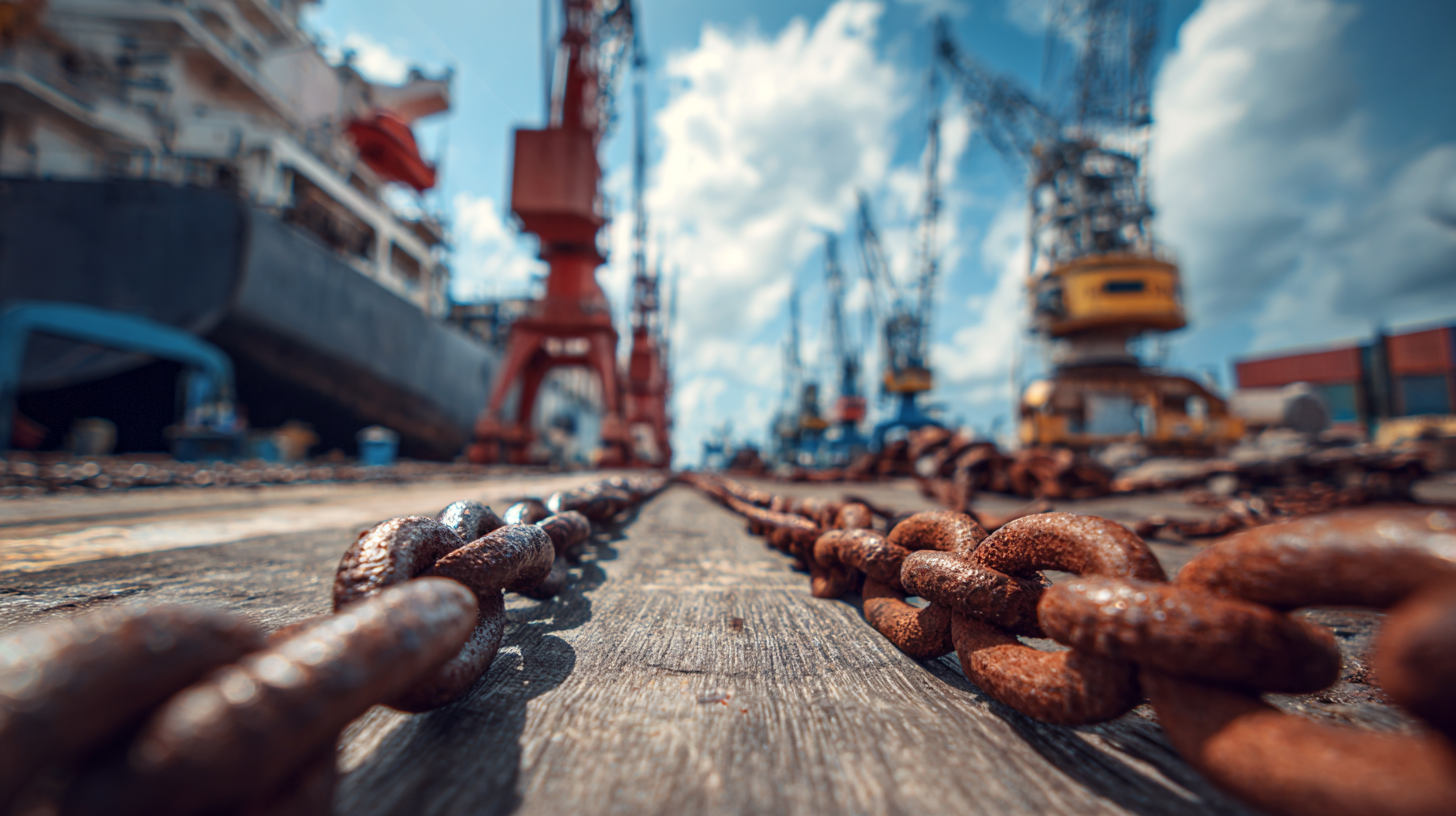
Marine fasteners are crucial components in the construction and maintenance of ships, offshore platforms,
and other marine structures, playing a vital role in ensuring structural integrity and safety. The need
for advanced materials and technologies in fastener design is becoming increasingly evident as the industry
shifts towards sustainability and improved operational efficiencies. A report by MarketsandMarkets highlights
that the adoption of high-performance marine fasteners can reduce maintenance costs significantly while
enhancing the longevity of marine assets. As we explore the importance of marine fasteners within the
maritime industry, it becomes clear that these seemingly small components are pivotal in supporting the
vast and complex frameworks of maritime operations.
Significance of Marine Fasteners in Ensuring Vessel Structural Integrity
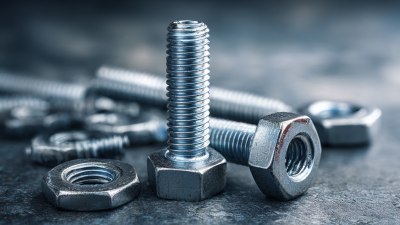
Marine fasteners play a crucial role in maintaining the structural integrity of vessels. In the maritime industry, these fasteners, including bolts, screws, and nuts, are designed to withstand harsh marine environments characterized by saltwater, extreme temperatures, and heavy loads. The durability and reliability of marine fasteners are essential for ensuring that various components of a ship, such as hulls, decks, and machinery, remain securely attached. Failure of any fastener can lead to catastrophic consequences, including leaks, mechanical failures, or even sinking.
Moreover, the significance of marine fasteners extends beyond mere attachment; they provide vital support for the overall design and structural safety of the vessel. Each fastener is engineered to meet specific standards that correlate with the stresses imposed during operations. It is important for marine engineers to select appropriate materials and design specifications to enhance resistance against corrosion and fatigue. This attention to detail not only assures the safety of the ship and crew but also contributes to the longevity of maritime assets, ultimately impacting operational efficiency and cost-effectiveness in the maritime industry.
Types of Marine Fasteners and Their Specialized Applications
 Marine fasteners play a crucial role in the maritime industry, offering essential solutions to the unique challenges posed by harsh marine environments. Different types of marine fasteners, such as bolts, nuts, screws, and washers, are specifically designed to resist corrosion, withstand saltwater exposure, and maintain structural integrity under extreme conditions. For instance, stainless steel and coated fasteners are commonly employed for their durability and resistance to rust, ensuring that vessels remain safe and operational during their journeys.
In addition to general fasteners, specialized applications further highlight the importance of these components. For example, marine-grade fasteners are often used in critical areas like hull construction, where structural strength and resistance to fatigue are paramount. Similarly, high-performance fasteners are utilized in rigging and anchoring systems, ensuring that the components remain securely fastened even amid strong winds and turbulent waters. This specificity not only enhances the longevity of marine structures but also contributes to overall maritime safety and efficiency.
Corrosion Resistance: The Key Role of Material Selection in Marine Fasteners
Marine fasteners are critical components in the maritime industry, serving as essential links in the structural integrity of vessels. The selection of materials used for these fasteners plays a pivotal role in their resistance to corrosion, which is particularly crucial given the harsh marine environment. Materials such as stainless steel, titanium, and specialized coatings are often employed to enhance durability. Each material offers varying levels of corrosion resistance, impacting the lifespan and safety of marine equipment.
Corrosion can deteriorate fasteners, leading to structural failures and potentially catastrophic consequences. Therefore, engineers must carefully consider the corrosive elements present in marine settings—such as saltwater and fluctuating temperatures—when choosing fasteners. Utilizing materials specifically designed to withstand these conditions not only prolongs the life of the marine structures but also enhances overall operational efficiency and safety. By prioritizing corrosion resistance in material selection, the maritime industry can mitigate risks and ensure the reliability of marine operations.
Design Considerations for Marine Fasteners in Harsh Maritime Environments
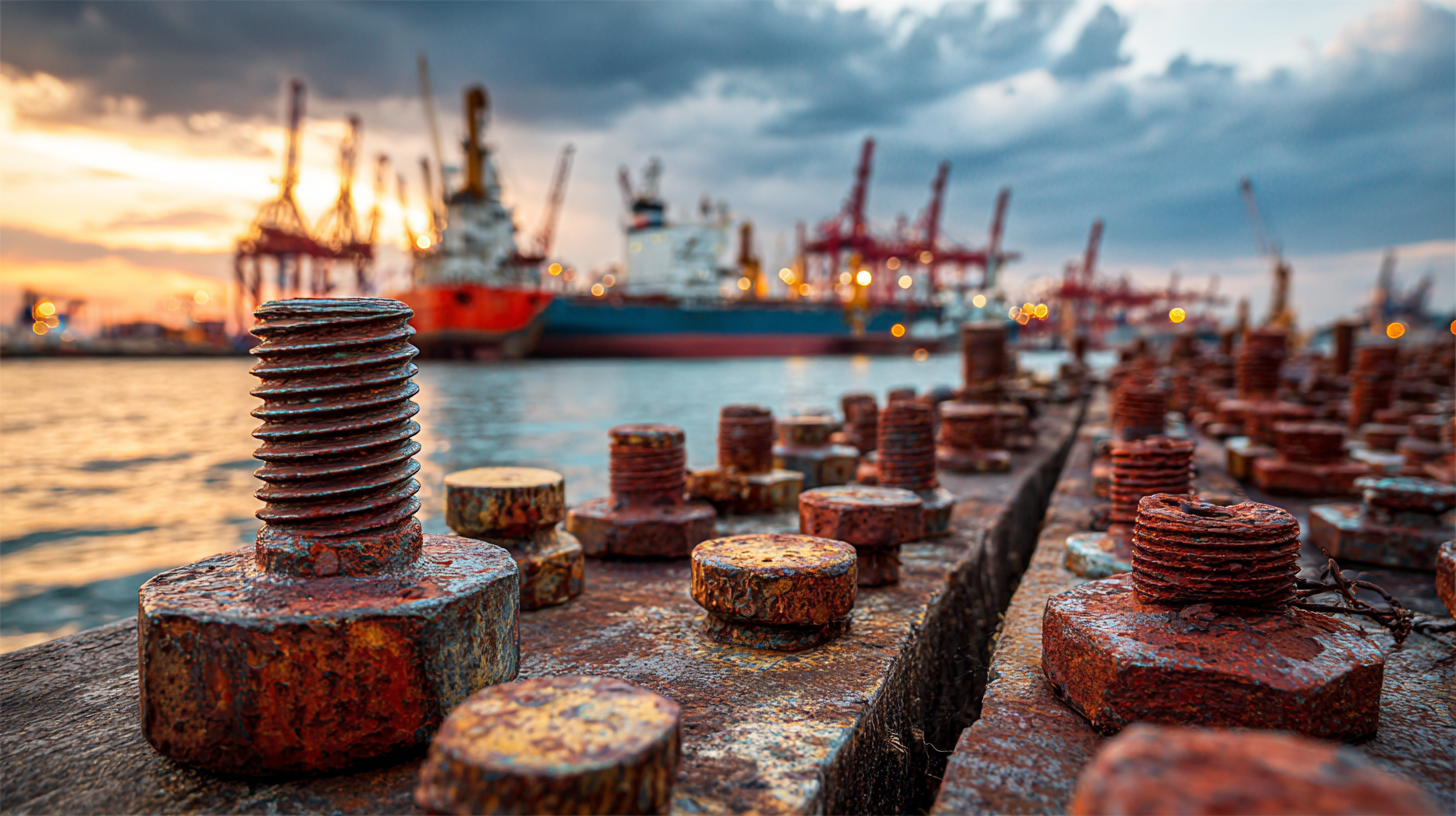
In the maritime industry, marine fasteners play a crucial role in ensuring the integrity and safety of vessels. The harsher conditions presented by the sea, including saltwater exposure, humidity, and extreme temperatures, necessitate that designers carefully consider the materials and types of fasteners used. When selecting marine fasteners, it is vital to opt for corrosion-resistant materials like stainless steel or specialized alloys that provide durability and longevity in these environments.
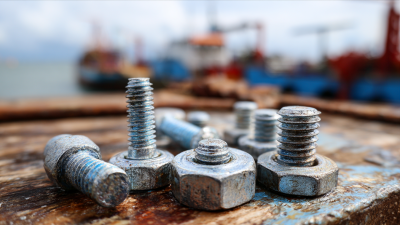
Tips: Always conduct a thorough assessment of the environmental conditions your fasteners will face. This helps to determine the appropriate finish and material. For example, using coatings such as galvanization can further enhance protection against corrosion, while also considering the potential for dissimilar metal corrosion when combining different materials.
The design of marine fasteners should also take into account load-bearing capacities and the dynamic stresses that occur during operation. Factors such as the size, thread type, and installation method can significantly affect performance. It is essential to adhere to established marine engineering standards to ensure reliability and safety.
Tips: Regular inspection and maintenance of fasteners are crucial. Implementing a routine check can help identify any signs of wear or corrosion early, allowing for timely replacements and avoiding costly failures during operation.
What is the Importance of Marine Fasteners in Maritime Industry - Design Considerations for Marine Fasteners in Harsh Maritime Environments
| Fastener Type |
Material |
Corrosion Resistance |
Typical Applications |
Design Considerations |
| Bolts |
Stainless Steel |
High |
Ship Hulls, Decking |
Ensure proper torque specifications |
| Nuts |
Brass |
Moderate |
Marine Equipment |
Use with compatible materials to avoid galvanic corrosion |
| Screws |
Monel |
Very High |
Lighting Fixtures, Electrical Equipment |
Check lengths to prevent overdriving |
| Washers |
Aluminum |
High |
Supporting Structures |
Select suitable thickness to distribute load |
| Anchors |
Galvanized Steel |
High |
Mooring Systems |
Consider weight for holding capacity |
Impact of Quality Fasteners on Safety and Efficiency in Maritime Operations
In the maritime industry, the quality of fasteners plays a crucial role in ensuring safety and efficiency during operations. Marine fasteners, which are designed to withstand harsh marine environments, must exhibit exceptional corrosion resistance and strength to maintain structural integrity. Poor-quality fasteners can lead to equipment failure, resulting in accidents that not only jeopardize crew safety but also have severe financial implications. Investing in high-quality fasteners is therefore essential to mitigate these risks.
Tips for selecting marine fasteners include understanding the specific environmental conditions they will face, such as exposure to saltwater and temperature fluctuations. It's also important to choose fasteners made from materials like stainless steel or titanium, which offer superior durability. Regular inspections should be conducted to ensure that the fasteners remain in optimal condition, as early detection of wear and tear can prevent larger operational disruptions.
Additionally, utilizing the correct installation techniques can enhance the longevity and performance of marine fasteners. Ensure that fasteners are torqued to manufacturer specifications to prevent loosening due to vibration. Incorporating these best practices can significantly improve safety and operational efficiency, ultimately contributing to the success of maritime endeavors.