Understanding the Mechanical Strength and Applications of Dome Head Bolts in Modern Engineering
Dome Head Bolts are essential fasteners widely utilized in various engineering applications due to their unique design and mechanical strength. According to a market research report by Grand View Research, the global industrial fasteners market is projected to reach USD 120 billion by 2025, with the demand for specialized fasteners like Dome Head Bolts increasing significantly in sectors such as construction, automotive, and aerospace.
These bolts offer superior load-bearing capacity, resistance to shear forces, and excellent performance under fatigue conditions, making them ideal for critical structural applications.
Additionally, the growing emphasis on safety and reliability in engineering design further enhances the need for high-performance fasteners like Dome Head Bolts, reinforcing their role as a cornerstone in modern engineering solutions.
With advancements in materials and manufacturing processes, the versatility and application scope of these fasteners are expected to broaden, driving innovation across multiple industries.
Exploring the Material Properties of Dome Head Bolts
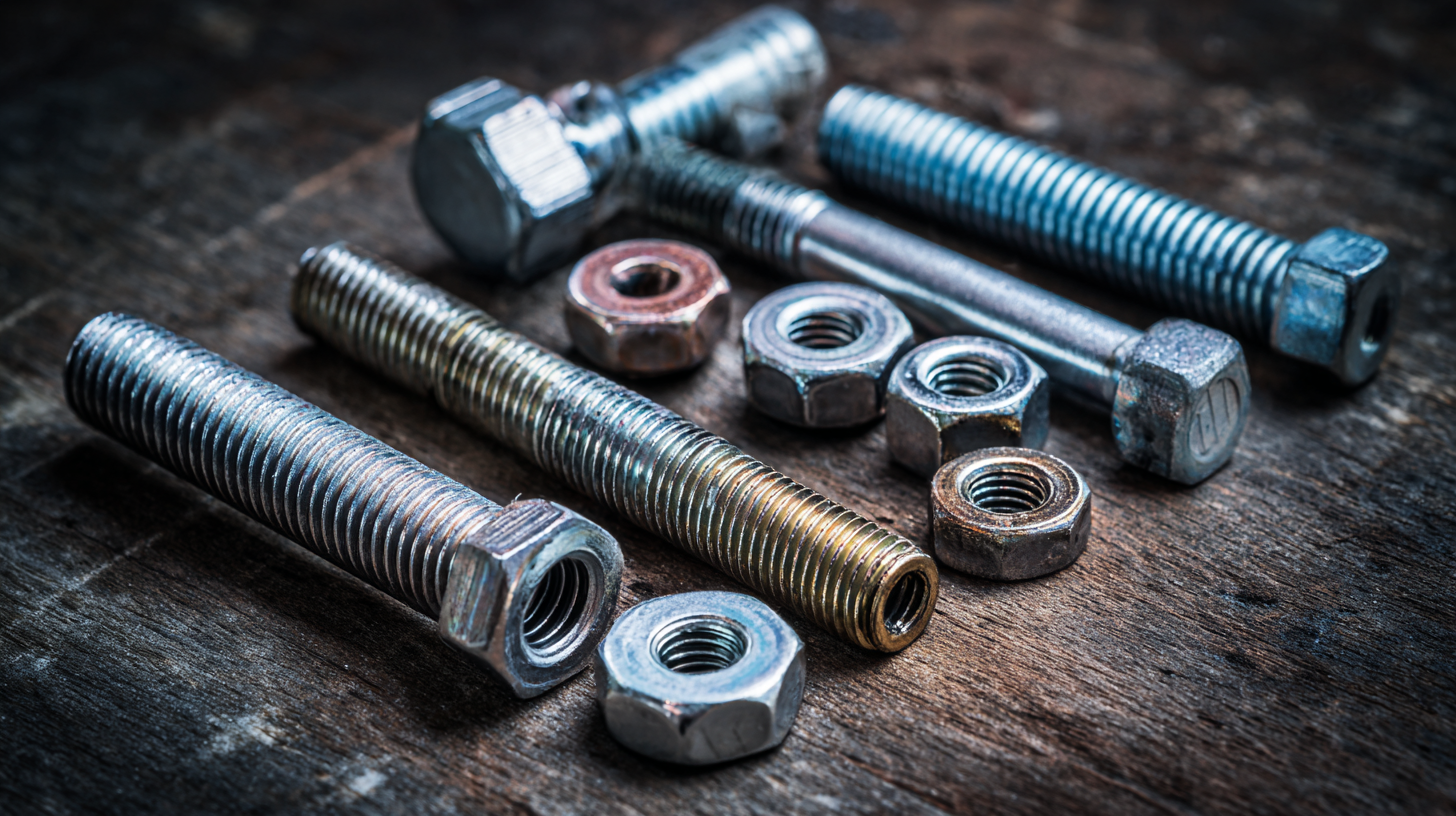
 Dome head bolts are essential components in modern engineering, widely recognized for their mechanical strength and versatility. Understanding the material properties of these fasteners is crucial, as they are often subjected to high stresses in various applications. Typically made from high-strength steel or alloys, dome head bolts exhibit superior tensile strength and corrosion resistance, making them suitable for demanding environments. Their unique geometry helps distribute loads more evenly, which minimizes stress concentration and enhances overall structural integrity.
In the quest for advanced lightweight materials in various industries, including automotive and motorcycle manufacturing, dome head bolts demonstrate remarkable compatibility with modern lightweight designs. The integration of materials like aluminum and titanium not only reduces weight but also preserves the mechanical properties required for robust performance. This trend towards lightweight solutions highlights the importance of dome head bolts, as they must maintain their reliability and strength while adapting to the ever-evolving material landscapes in engineering. As industries continue to explore innovative materials, the role of dome head bolts remains vital for achieving both performance and efficiency in modern engineering projects.
Analyzing the Load-Bearing Capacity of Dome Head Bolts
Dome head bolts are crucial components in modern engineering, designed to withstand significant loads while providing reliable fastening solutions. Their unique shape allows for greater load distribution and reduced stress concentration, which is vital in high-stress environments such as construction and manufacturing. According to a report from the American Institute of Steel Construction (AISC), dome head bolts can achieve a load-bearing capacity of over 100,000 pounds, making them suitable for heavy structural applications.
When considering the application of dome head bolts, it is essential to understand the material and threading standards as they can significantly affect performance. For instance, bolts made from high-strength steel with a proper heat treatment process exhibit superior load tolerance, as outlined in the ASTM A325 specification. These properties not only enhance reliability but also promote safety in engineering designs.
Tips: Always ensure that the threading and material specifications of the dome head bolts align with project requirements to maximize their load-bearing potential. Regular inspection and maintenance can also prolong their lifespan, ensuring that the structural integrity remains intact under varying load conditions.
Common Applications of Dome Head Bolts in Engineering Design
Dome head bolts are essential components in modern engineering, particularly noted for their applications in high-stress environments where load distribution is crucial. Their unique design allows for greater contact surface area, which is beneficial in preventing pull-through and ensuring strong joints. Industries such as construction and automotive heavily utilize dome head bolts due to their ability to withstand considerable forces—reports indicate that dome head bolts can sustain tensile loads exceeding 100,000 psi, making them ideal for structural applications.

In addition, dome head bolts are prominently used in the assembly of pressure vessels and pipelines, where safety and durability are paramount. Their resistance to shear and fatigue makes them suitable for environments exposed to vibration and thermal fluctuations. Moreover, the aerospace sector employs these bolts in aircraft assembly, further highlighting their reliability under extreme conditions. According to a 2022 industry survey, over 75% of engineers preferred dome head bolts for critical high-load applications due to their performance metrics.
Tips: When selecting dome head bolts for your projects, consider the environment in which they will be used. High corrosion resistance coatings can enhance longevity in harsh conditions. Additionally, ensure the proper size and thread specifications to maximize load distribution and joint integrity.
Comparative Studies: Dome Head Bolts vs. Other Fasteners
Dome head bolts possess unique mechanical properties that make them suitable for a variety of engineering applications, particularly when compared to other fasteners like hexagonal and star-shaped screws. Recent studies highlight the importance of understanding these differences, as mechanical strength evaluations reveal that dome head bolts often exhibit superior resistance to deformation under load. This characteristic is crucial in applications requiring reliable joint integrity, such as construction and automotive engineering.
For instance, a comparative analysis of fasteners in dental implants showed that screw loosening remains a significant challenge, yet dome head designs might offer enhanced stability. In biomechanical evaluations, such as those examining the femoral neck system versus cannulated screws, the dome head's profile provides more uniform load distribution, potentially leading to fewer complications in applications like fracture fixation.
**Tips:** When selecting fasteners for critical applications, consider the specific load requirements and potential for movement in the joint. Additionally, investing in tensile strength evaluations can prevent failures in structural applications. Proper assembly and torque specifications are essential to avoid premature loosening, especially in dynamic environments.
Future Trends in the Use and Innovation of Dome Head Bolts
The use of dome head bolts is experiencing a transformative phase as modern engineering seeks to enhance structural integrity and aesthetic appeal in designs. Future trends point towards the integration of advanced materials and coatings that not only improve mechanical strength but also enhance corrosion resistance. Innovations in manufacturing processes, such as 3D printing, may allow for customized designs that cater to specific applications, ensuring that dome head bolts can meet increasingly stringent load and performance requirements.
Moreover, the growing emphasis on sustainability is pushing engineers to explore eco-friendly materials and production techniques. Biodegradable composites or recycled metals could emerge as alternatives that reduce environmental impact while maintaining the functionality of dome head bolts. Additionally, advancements in smart technology could lead to the development of bolts that monitor structural health in real-time, providing critical data for maintenance and safety in engineering applications. As these trends evolve, the versatility of dome head bolts will continue to expand, making them indispensable in innovative engineering solutions.
Understanding the Mechanical Strength and Applications of Dome Head Bolts in Modern Engineering - Future Trends in the Use and Innovation of Dome Head Bolts
| Property/Dimension |
Typical Value |
Material |
Applications |
| Diameter |
M6 to M30 |
Carbon Steel / Stainless Steel |
Automotive, Construction, Machinery |
| Ultimate Tensile Strength (UTS) |
600 - 1100 MPa |
Alloy Steel |
Heavy Machinery, Structural Applications |
| Hardness |
HRC 30 - 40 |
Heat-Treated Steel |
Aerospace, Industrial Equipment |
| Corrosion Resistance |
Good to Excellent |
Stainless Steel |
Marine, Chemical Processing |
| Common Coatings |
Zinc Plating, Black Oxide |
Various |
General Engineering, Construction |