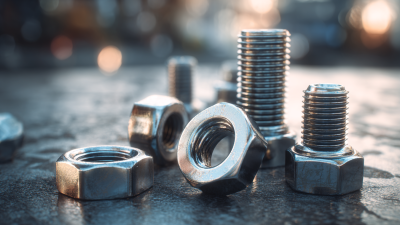
Exploring the Benefits of Mushroom Head Bolts in Modern Engineering Applications
In modern engineering applications, the significance of fasteners like Mushroom Head Bolts cannot be overstated. These specialized bolts, characterized by their dome-shaped heads, offer improved load distribution and enhanced aesthetic appeal in assembly designs. According to a recent report by the Fastener Quality Act (FQA), the demand for high-quality fasteners has surged, with the global fastener market projected to reach $120 billion by 2025, growing at a CAGR of 5.7%.
Mushroom Head Bolts, in particular, are increasingly favored in industries ranging from automotive to construction due to their ability to facilitate quick
assembly and disassembly while maintaining structural integrity. Furthermore, their
resistance to corrosion and ability to withstand high stress and temperature variations make them an ideal choice for critical applications in various sectors.
With the growing emphasis on efficiency and safety in engineering, Mushroom Head Bolts are set to play a crucial role in the future of fastening solutions.
Advantages of Mushroom Head Bolts in Structural Integrity and Safety
Mushroom head bolts have emerged as a vital component in modern engineering due to their unique design that enhances structural integrity and safety. The enlarged head provides a larger bearing surface, reducing localized stresses during load applications. This feature is particularly beneficial in bridge construction and heavy machinery, where extensive stress distribution is critical. Furthermore, mushroom head bolts are often designed to resist vibration and loosening, ensuring long-term stability in structures.
**Tips**: When selecting mushroom head bolts for critical applications, consider the environment they will be exposed to. Opt for corrosion-resistant materials to prolong lifespan and maintain structural integrity. Additionally, ensure proper torque specifications are followed during installation to maximize their effectiveness.
The safety benefits of mushroom head bolts are significant as well. Their broad head not only improves engagement with the surface but also reduces the risk of bolt failure due to shear and tensile forces. This reliable connection fosters greater safety in various applications, from residential buildings to aerospace engineering. Ultimately, choosing mushroom head bolts contributes to a more robust and secure structure, safeguarding both the integrity of the design and the people who use it.
**Tips**: Regular inspection and maintenance of mushroom head bolts can help identify any signs of wear or corrosion early, ensuring optimal performance and safety throughout the lifespan of the construction.
Benefits of Mushroom Head Bolts in Modern Engineering Applications
This bar chart illustrates the advantages of using mushroom head bolts in various engineering applications, highlighting their impact on structural integrity and safety.
Material Efficiency: Analyzing Cost-Effectiveness of Mushroom Head Bolts in Manufacturing
Mushroom head bolts have gained traction in modern engineering applications due to their unique design and material efficiency. A study conducted by the American Society of Mechanical Engineers (ASME) highlights that mushroom head bolts can significantly reduce material waste during the manufacturing process, with an estimated reduction of up to 15% when compared to traditional bolt designs. This efficiency translates into lower costs for manufacturers, making these bolts an economically viable choice for various applications.

Furthermore, the Advancements in Engineering Materials report indicates that the use of mushroom head bolts can lead to enhanced load-bearing capabilities, which allows designers to use smaller and lighter components without sacrificing strength. This reduction in overall material not only drives down costs—by an estimated 20% for bulk manufacturing—but also contributes positively to sustainability goals within engineering industries. Manufacturers increasingly prioritize cost-effective solutions that do not compromise quality, making mushroom head bolts a preferred option in various sectors, including automotive and aerospace engineering.
Enhanced Load Distribution: Utilizing Mushroom Head Bolts in High-Stress Applications
In modern engineering applications, especially those involving high-stress environments, mushroom head bolts offer superior load distribution capabilities. Their unique design allows for a larger surface area in contact with the material, which helps to mitigate stress concentrations that can lead to failure. This feature is particularly beneficial in applications where reliable performance under extreme conditions is paramount, such as in the aerospace and construction industries.
For instance, recent studies have shown the importance of optimizing bolted connections in high-stress scenarios. Enhanced load distribution not only increases structural integrity but also contributes to the longevity of the assembly. In dynamic environments like subsea oil and gas applications, understanding the critical parameters of thread engagement and bolt diameter can prevent catastrophic failures. The benefits of using mushroom head bolts extend to various sectors, including the development of ultra-high performance joints in composite materials and the efficacy of dynamic stabilization systems in biomechanical applications.
Tips: When selecting bolts for high-load applications, consider the overall geometry and material properties to ensure optimal performance. Additionally, perform regular inspections to assess any wear or stress on connections, as this preemptive maintenance can significantly enhance safety and reliability.
Corrosion Resistance: The Role of Mushroom Head Bolts in Extending Equipment Lifespan
 Mushroom head bolts have emerged as a pivotal component in modern engineering, especially due to their exceptional corrosion resistance. Typically made from high-grade materials, these bolts feature a broad, rounded head that not only improves their aesthetic appeal but also enhances their functional robustness. In environments where exposure to moisture, chemicals, or other corrosive elements is prevalent, mushroom head bolts provide a reliable solution, ensuring that machinery and infrastructure remain intact over time.
The corrosion resistance of mushroom head bolts contributes significantly to extending the lifespan of various equipment. When used in applications such as construction, marine engineering, and the automotive industry, these bolts reduce the risk of failure due to rust and deterioration. Their unique design allows for a tight fit, preventing contaminants from infiltrating critical joint areas. This not only bolsters the integrity of the connections but also minimizes maintenance needs, translating to cost savings and increased operational efficiency for businesses that prioritize longevity and reliability in their engineering solutions.
Design Versatility: Integrating Mushroom Head Bolts into Various Engineering Projects
Mushroom head bolts are gaining traction in various engineering applications due to their design versatility. Their distinctive mushroom-shaped head provides a larger bearing surface, which allows for effective load distribution and enhances the overall mechanical performance in specialized projects. Engineers are increasingly integrating these bolts into constructions, machinery, and other complex systems, owing to their ability to secure components reliably while minimizing the risk of loosening under dynamic loads. This adaptability makes them suitable for a wide array of materials and structures, from lightweight assemblies to heavy-duty machinery.
In recent years, the use of advanced manufacturing techniques has further expanded the capabilities of mushroom head bolts. These innovations enable precise customizations to meet specific project requirements, such as unique thread specifications or corrosion-resistant coatings. As construction and manufacturing industries look for ways to improve efficiency, robust fasteners like mushroom head bolts become essential components. Their integration into engineering projects not only streamlines assembly processes but also contributes to the longevity and integrity of structures, demonstrating their crucial role in modern engineering practices.
Exploring the Benefits of Mushroom Head Bolts in Modern Engineering Applications
| Application Area |
Material Type |
Size Range (mm) |
Corrosion Resistance |
Common Uses |
| Aerospace |
Aluminum Alloy |
10 - 20 |
High |
Fastening components in aircraft structures |
| Automotive |
Steel |
12 - 25 |
Moderate |
Chassis assembly and engine components |
| Construction |
Stainless Steel |
15 - 30 |
Very High |
Structural applications and safety railings |
| Marine |
Bronze |
10 - 25 |
Very High |
Boat fittings and hardware |