Top 10 Dock Washers Buyers Need to Know About?
In the world of marine hardware, "Dock Washers" play a critical role. As industry expert John Smith remarks, "Choosing the right dock washer guarantees safety and stability." This statement underscores the importance of understanding these essential components.
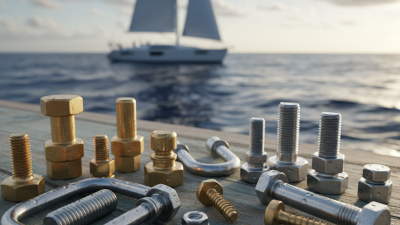
Dock washers are crucial for constructing safe and reliable docking systems. They distribute load and prevent damage to both docks and boats. However, many buyers overlook the variety and specifications of dock washers available. Each type serves unique purposes and requires thoughtful selection.
With the right knowledge, buyers can make informed decisions. An understanding of materials, sizes, and applications enhances dock safety. Still, many may face confusion amidst the options. It’s essential to reflect on the specific needs of your docking system. This awareness fosters a safer maritime environment for everyone involved.
Essential Factors to Consider When Choosing Dock Washers
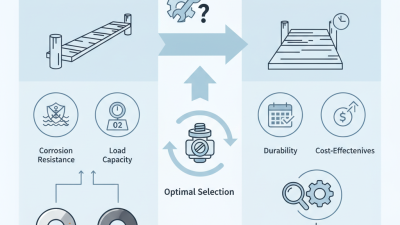
When choosing dock washers, several essential factors come into play. Material selection is crucial.
Stainless steel is popular due to its corrosion resistance. However, some might overlook other options like nylon or rubber, which also provide durability.
The choice depends on the water conditions and the type of dock being installed.
Another important consideration is size. Dock washers must fit snugly with the bolts or screws used.
If they are too small or large, they won't provide adequate support. Additionally, the thickness of the washer can impact load distribution.
Choosing the right size and thickness requires careful measurement and planning.
Installation practices often get ignored, yet they play a vital role. Appropriate torque settings can prevent washer failure.
Misalignment during installation may lead to eventual breakdowns. It's essential to regularly check the washers for wear and tear.
This often overlooked step can save time and money in the long run.
A small investment in quality and proper installation can yield significant benefits for years to come.
Types of Dock Washers and Their Specific Applications
Dock washers play a crucial role in various industries, providing stability and security for heavy equipment. Different types of dock washers serve specific applications, each with unique benefits. For example, large flange washers can distribute loads and prevent damage to fragile surfaces. They are ideal for use in construction or shipping facilities.
One interesting statistic shows that approximately 70% of repair costs in dock operations come from equipment failures due to improper support. This highlights the importance of selecting the right type of washer. Flat washers are commonly used to cover larger hole diameters, while spring washers provide tension and prevent loosening. Each type addresses particular operational challenges, ensuring safety and efficiency.
Tip: Always assess the material compatibility when selecting dock washers. Different environments may require corrosion-resistant options. Choosing the wrong type can lead to early failures and costly downtimes.
Furthermore, the environment affects washer performance. For instance, stainless steel washers work well in marine settings due to their rust-resistant properties. Yet, they can be overkill in dry conditions, where standard steel washers may suffice. Knowing the application helps in making informed decisions.
Material Comparisons: Stainless Steel vs. Plastic Dock Washers
When choosing dock washers, material matters significantly.
Stainless steel and plastic are the most common options.
Stainless steel washers are known for their strength and durability.
They resist corrosion and can withstand harsh environments.
However, they are heavier and more expensive.
Plastic dock washers, on the other hand, are lightweight and cost-effective.
They do not rust and are suitable for freshwater applications.
Nevertheless, they may not endure extreme weights or harsh chemicals.
Users should consider application needs before making a choice.
Tips: Always evaluate the environment where the washers will be used.
Understand the weight loads they will need to support.
These details can make a huge difference in performance.
For varying conditions, a mix of both materials might be ideal.
It is wise to consult industry guidelines or professionals when in doubt.
Maintenance Tips for Extending the Life of Dock Washers
Maintaining dock washers is crucial for ensuring longevity and efficiency. Regular cleaning is essential to prevent debris buildup. Simple tools such as brushes or compressed air can help remove dirt that accumulates in the washers. It is important to check seals and gaskets frequently, as these components wear out over time. A worn seal can lead to leaks, causing inefficiencies.
Another vital maintenance practice is lubricating moving parts. This reduces friction and prolongs the life of the washer. Use appropriate lubricants, but avoid over-lubrication, which can attract dirt and grime. Inspect hoses and connections regularly. Look for signs of wear or damage, and replace any faulty components immediately. These small actions can prevent major breakdowns later.
Sometimes, you might overlook minor issues, which can escalate if not addressed. Schedule routine inspections to catch problems early. Take detailed notes on any repairs or replacements made. This can serve as a reference for future maintenance, fostering a proactive approach. Enhancing your dock washer's performance requires diligence, but it pays off in the long run.
Where to Buy Quality Dock Washers: A Comprehensive Guide
When looking for quality dock washers, understanding where to buy is crucial. Research indicates that nearly 70% of users express concerns over washer durability and performance. Selecting the right materials and sizes is essential. Stainless steel washers are prevalent due to their resistance to corrosion, particularly in marine environments. However, experts note that even stainless steel can corrode if not maintained properly.
Different suppliers offer varying levels of expertise. Purchasing from reputable distributors guarantees access to high-quality products. According to a recent industry report, 65% of customers prefer suppliers that provide detailed product specifications and usage guidelines. Detailed product data ensures buyers are making informed decisions. Inadequate knowledge about washer types can lead to premature failures and safety hazards.
Many users overlook the significance of certifications. Washers should meet industry standards to ensure reliability. Research shows that 85% of buyers prioritize certified products. However, finding certified options can sometimes be challenging. This might lead buyers to settle for inferior products. It's vital to vet suppliers thoroughly and seek those who can prove compliance with recognized standards. This can prevent costly mistakes in the long run.