Understanding the Importance of Lifting Anchors in Construction Safety
In the realm of construction safety, the significance of Lifting Anchors cannot be overstated. These essential components serve as the backbone of safe lifting operations, ensuring that materials and equipment are securely connected and supported during the lifting process. As construction projects grow in complexity and scale, understanding the proper use and maintenance of Lifting Anchors becomes crucial for preventing accidents and protecting workers on-site.
This article delves into the intricacies of Lifting Anchors, providing a comprehensive guide on how to select, install, and inspect these vital tools. By emphasizing best practices and safety measures, we aim to equip construction professionals with the knowledge necessary to enhance safety protocols and mitigate risks associated with lifting operations.
Whether you are a seasoned contractor or a newcomer to the industry, mastering the handling of Lifting Anchors is a critical step towards ensuring a safer and more efficient work environment.
The Role of Lifting Anchors in Preventing Construction Accidents
Lifting anchors play a crucial role in construction safety by providing essential support for lifting heavy materials and equipment. When properly installed and utilized, these anchors significantly reduce the risk of accidents and injuries on job sites. They ensure that loads are secure and stable during the lifting process, preventing potential catastrophic failures that could result in serious harm to workers and damage to property.
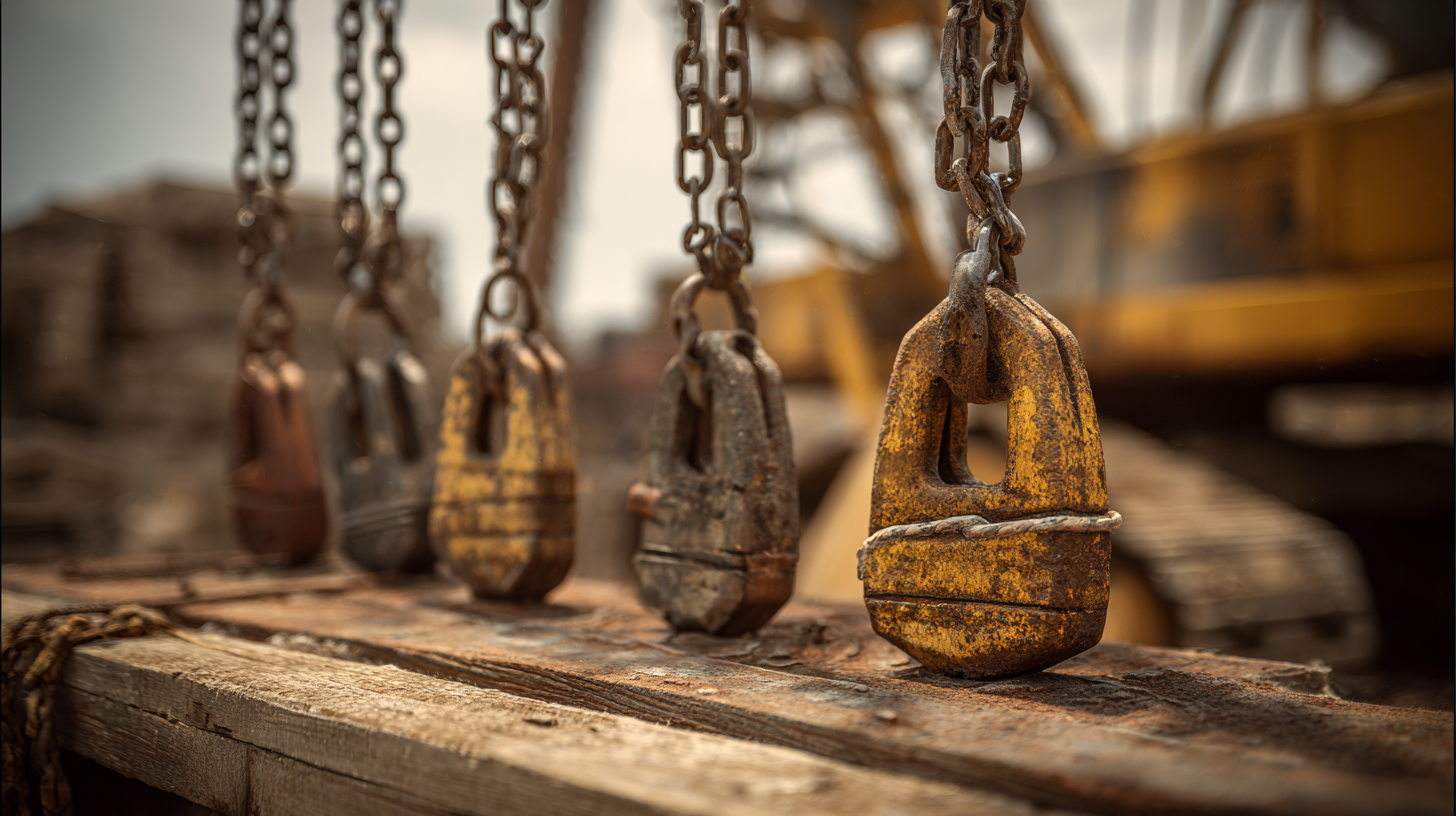
To maximize safety with lifting anchors, always conduct thorough inspections before each use. Look for signs of wear, corrosion, or damage that may compromise their integrity. Additionally, it’s vital to use the correct type of lifting anchor for the specific task at hand, as different assets require different anchors to ensure optimal safety and performance.
Another essential tip is to provide proper training for all workers involved in lifting operations. This includes understanding the weight limits of lifting anchors and the proper techniques for loading and securing materials. Regularly reinforcing these safety practices can help foster a culture of safety on construction sites, ultimately preventing accidents and ensuring a healthier working environment for everyone involved.
Key Factors Influencing the Effectiveness of Lifting Anchors
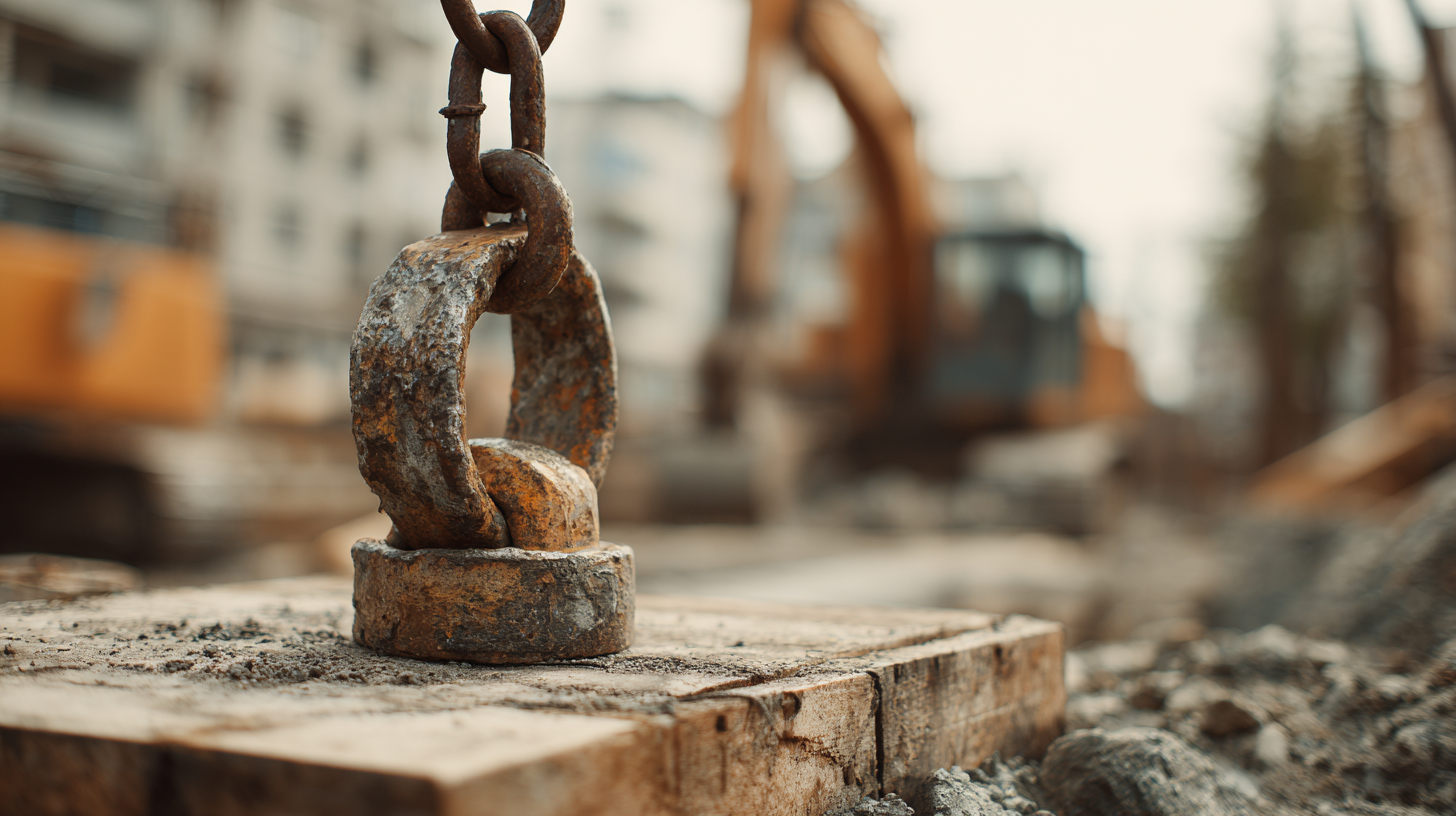 Lifting anchors play a crucial role in construction safety, serving as essential components that ensure the stability and integrity of lifting operations. One of the key factors influencing their effectiveness is the selection of appropriate materials. High-quality materials that resist corrosion and fatigue are essential, as they enhance the strength and durability of lifting anchors. Construction sites often face various environmental challenges, such as moisture and extreme temperatures, which can compromise anchor integrity if unsuitable materials are used.
Another significant factor is the proper installation and maintenance of lifting anchors. Ensuring that anchors are installed at the correct angles and depths, according to the manufacturer's specifications, is vital for their performance. Regular inspections and maintenance checks help identify any wear or damage, enabling timely repairs or replacements. Moreover, worker training plays a critical role in understanding lifting anchor usage, as well-informed personnel are better equipped to recognize potential hazards and implement safety measures effectively. By prioritizing these factors, construction teams can significantly enhance safety and operational efficiency on site.
Best Practices for Installing and Maintaining Lifting Anchors
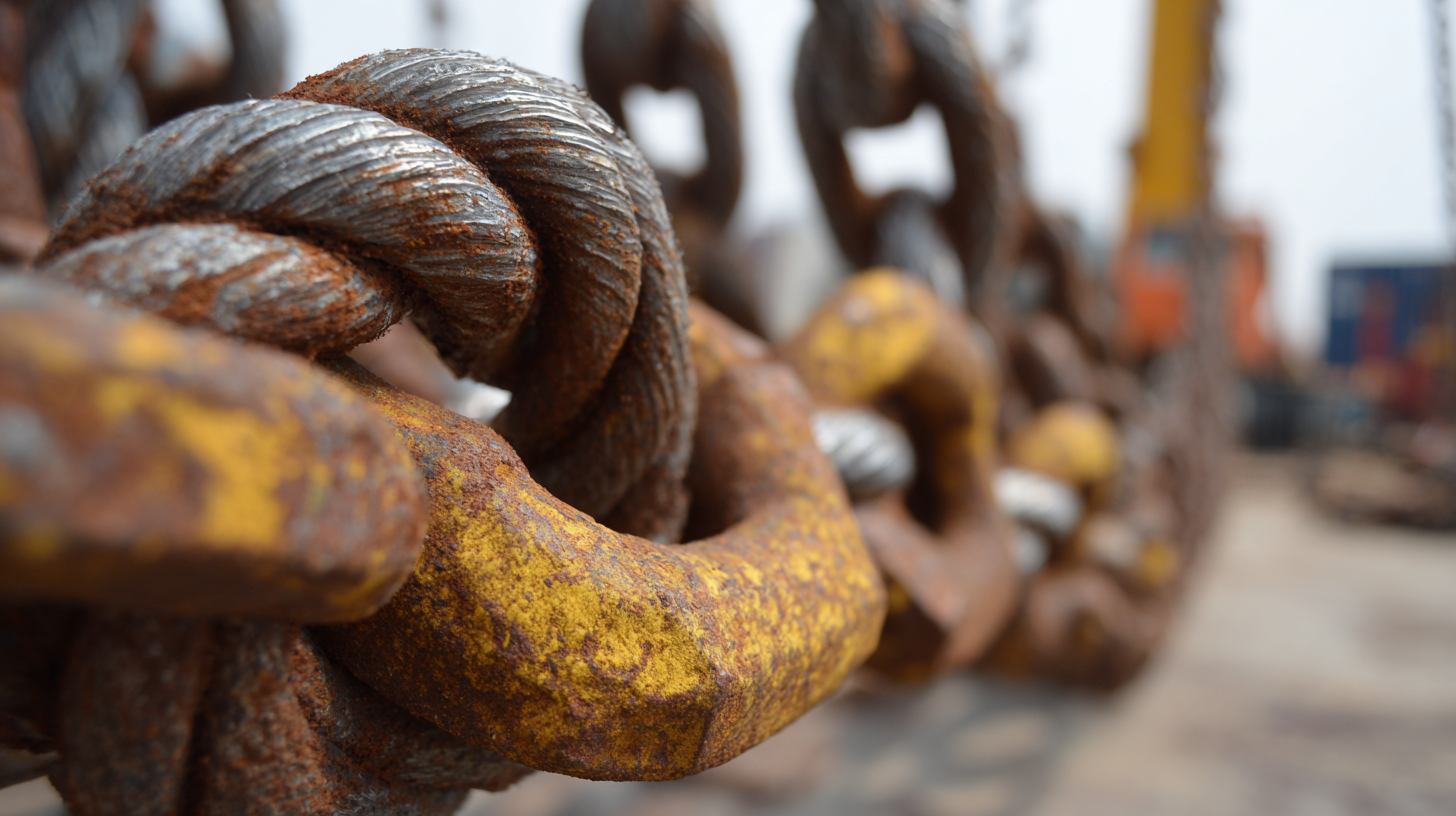
Lifting anchors are critical components in ensuring safety in construction projects. Proper installation and maintenance of these anchors can significantly reduce the risk of accidents related to lifting operations. Industry reports indicate that improper installation accounts for approximately 20% of lifting-related incidents, underscoring the need for stringent adherence to best practices. Installation should always comply with manufacturer's specifications, ensuring that the anchors are rated for the intended load and environmental conditions. Regular inspections should be conducted to assess wear and tear, with particular attention paid to identifying corrosion or other structural damages that could compromise anchor integrity.
Maintenance practices also play a pivotal role in the longevity and effectiveness of lifting anchors. According to a survey by the National Institute for Occupational Safety and Health (NIOSH), around 50% of construction professionals overlook routine maintenance schedules, which can lead to decreased reliability of lifting systems. It is recommended that a comprehensive maintenance log is kept, detailing inspection dates, findings, and any actions taken. Additionally, training workers on the proper use and upkeep of lifting anchors can create a safety-conscious culture in the workplace, minimizing risks and enhancing overall operational safety. By prioritizing these best practices, construction companies can ensure safer working conditions and protect their teams from potential hazards.
Case Studies: Successful Lifting Anchor Implementations in Construction
Effective lifting anchors are crucial for ensuring safety in construction projects. Case studies highlight their successful implementation, showcasing how proper anchor systems can prevent accidents and enhance operational efficiency. For instance, a report by the Occupational Safety and Health Administration (OSHA) indicates that nearly 50% of construction fatalities result from falls, often exacerbated by inadequate lifting equipment. By utilizing certified lifting anchors, construction companies can significantly reduce these risks, leading to a safer work environment.
One notable example is the implementation of a comprehensive lifting anchor system in the construction of high-rise buildings in New York City. A 2021 safety audit revealed that projects employing advanced lifting anchor technology saw a 30% decrease in injury rates compared to those using traditional methods. Additionally, a study published in the Journal of Structural Engineering found that the proper installation of lifting anchors contributed to a better load distribution, further increasing the stability of structures under construction. This data underscores the necessity for construction firms to prioritize the integration of effective lifting anchors in their safety protocols.
Training and Certification: Ensuring Safety in Lifting Anchor Operations
Training and certification are crucial components in ensuring safety during lifting anchor operations in the construction industry. Proper training equips workers with the knowledge required to understand the various types of anchors, the specific lifting techniques needed, and the potential hazards associated with improper handling. By emphasizing safety protocols and best practices, training programs help mitigate risks and promote a culture of safety on construction sites.
Certification further elevates safety standards by ensuring that only qualified individuals perform lifting operations. It establishes a benchmark for competency, demonstrating that workers have not only completed rigorous training but also possess a sound understanding of lifting equipment, load limits, and emergency procedures. Regularly updated certification requirements help maintain a high level of expertise among workers, ultimately leading to safer working environments and more efficient project completions.