2026 Top Hexagonal Nuts Guide for Global Buyers?
In the world of manufacturing and construction, hexagonal nuts play a crucial role. These fasteners are not just simple components; they are essential for securing machinery and structures. As we approach 2026, global buyers must navigate a complex marketplace to find reliable hexagonal nuts.
Many factors affect the selection of hexagonal nuts. Buyers should consider material quality, size, and application needs. Different industries have unique demands, and understanding these can lead to better choices. The importance of sourcing from reputable suppliers cannot be overstated. This ensures the integrity and durability of the nuts used in various projects.
However, the market is not without its challenges. Some manufacturers may compromise on specifications. Navigation through product inconsistencies can be daunting for buyers. A clear guide will help in making informed decisions. Engaging with experts will enhance knowledge in this vital area. Consulting with those who have experience is invaluable. Thus, the path to selecting the best hexagonal nuts involves careful evaluation and a commitment to quality.
Overview of Hexagonal Nuts: Definition and Usage in Industries
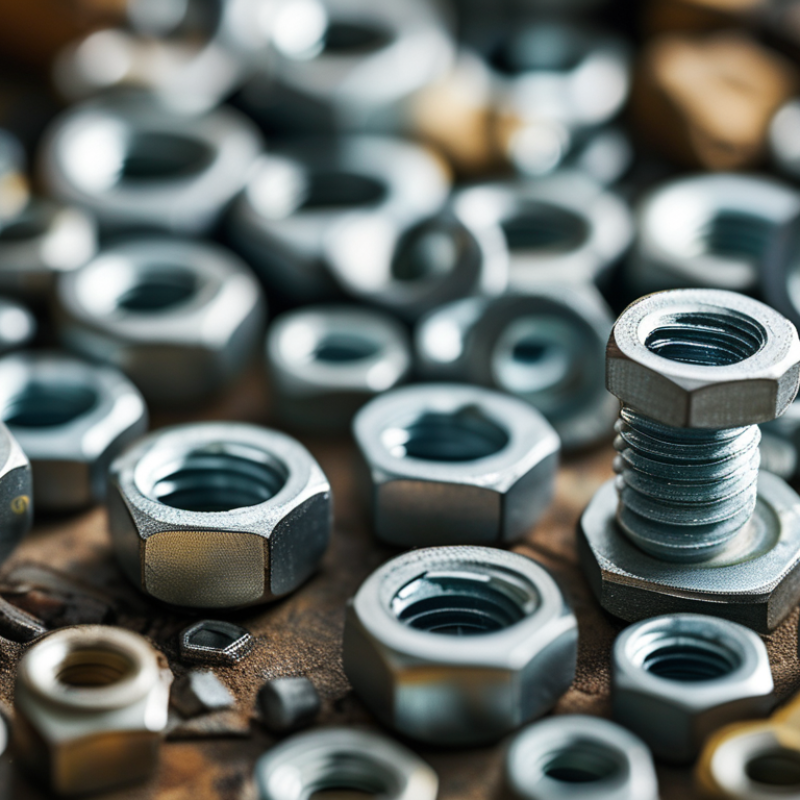
Hexagonal nuts are essential fasteners widely used across various industries. These nuts feature a hexagonal shape, allowing for a firm grip when secured with a wrench. The global hexagonal nuts market is projected to grow significantly, reaching an estimated value of over $4 billion by 2026, according to industry reports.
In construction and automotive sectors, hexagonal nuts play a crucial role. They secure machinery components and structural elements, ensuring safety and stability. According to a recent market analysis, the demand for hexagonal nuts has surged by 8% annually, driven by the rise in infrastructure development and vehicle manufacturing. The material used for these nuts varies, including stainless steel, carbon steel, and brass, each offering specific benefits and resistance characteristics.
**Tip:** Always choose the right material for your specific application. It can affect durability and performance.
Quality control is vital. Inspections ensure that hexagonal nuts meet industry standards. A small defect can lead to significant failures. Companies often conduct tensile strength tests to guarantee reliability. The need for higher precision calls for ongoing assessments and safety standards.
**Tip:** Regular audits of suppliers can enhance quality assurance. Building strong relationships helps maintain consistent quality.
Global Market Trends for Hexagonal Nuts in 2026
The global market for hexagonal nuts is set for dynamic changes in 2026. According to a report by Research and Markets, demand is expected to grow at a CAGR of 4.5%. Factors such as industrial expansion and the rise of automation are driving this growth. The increasing use of hexagonal nuts in machinery and construction sectors highlights their importance.
Regional trends show varying demands. In Asia-Pacific, particularly in China and India, the need for durable and high-quality fasteners is rising. The automotive industry is a significant contributor, with a projected increase in hexagonal nut consumption. However, supply chain disruptions and fluctuating raw material costs pose challenges. These factors can create uncertainty for manufacturers and buyers alike.
Buyers should stay informed about industry forecasts and pricing trends. Understanding local market dynamics is crucial for strategic planning. The rise of e-commerce platforms is transforming how hexagonal nuts are purchased. Online purchasing simplifies access to a variety of suppliers and prices, enhancing competition. Nevertheless, buyer caution is needed when navigating product quality and supplier reliability.
2026 Top Hexagonal Nuts Guide for Global Buyers
| Region |
Estimated Market Size (USD Million) |
Growth Rate (%) |
Key Applications |
Material Types |
| North America |
450 |
4.5 |
Automotive, Construction |
Steel, Stainless Steel |
| Europe |
520 |
3.8 |
Aerospace, Machinery |
Carbon Steel, Alloy Steel |
| Asia-Pacific |
800 |
5.2 |
Electronics, Energy |
Brass, Bronze |
| Latin America |
200 |
3.0 |
Construction, Hardware |
Copper, Plastic |
| Middle East & Africa |
150 |
2.5 |
Construction, Oil & Gas |
Stainless Steel, Steel |
Key Materials and Specifications for Manufacturing Hexagonal Nuts
Hexagonal nuts are essential fasteners in various industries. Understanding the materials used in their production is crucial. Most hexagonal nuts are made from steel, stainless steel, or brass. Carbon steel is common due to its strength and cost-effectiveness. According to industry reports, nearly 60% of manufacturers favor carbon steel for its durability in structural applications.
When it comes to specifications, dimensions often adhere to international standards. Common sizes are M2 to M30. The nut's thickness varies based on its size. For instance, an M10 nut typically has a thickness of about 6mm. These specifications ensure compatibility with bolts.
Manufacturers should also consider surface treatment. Options include zinc plating and hot-dip galvanizing. These treatments protect against corrosion, particularly in outdoor settings. Recent studies suggest that untreated hexagonal nuts may lose over 50% of their strength in corrosive environments. Thus, understanding material properties and specifications is essential to ensure optimal performance in the intended application.
2026 Hexagonal Nuts Manufacturing Material Usage
The chart below illustrates the distribution of key materials used in the manufacturing of hexagonal nuts, showcasing their respective percentage share in the global market.
Competitive Analysis of Major Hexagonal Nut Manufacturers Worldwide
The global hexagonal nuts market is expanding rapidly, driven by demand across various sectors. According to a recent market report, the global hexagonal nuts market was valued at approximately $2.5 billion in 2023, with expected growth rates of around 4.5% annually through 2026. This trend highlights the increasing reliance on these components in construction, automotive, and machinery industries.
A competitive analysis reveals key players dominating the market while smaller manufacturers strive to carve out niche segments. Notably, production capabilities and material quality often set manufacturers apart. Companies focused on innovation in materials, like corrosion-resistant options, are gaining traction. Meanwhile, sustainability practices are slowly becoming a crucial factor in consumers' decision-making. Companies not adapting to these changes may face challenges.
Despite the growth, there are areas for reflection. Some manufacturers are struggling with supply chain disruptions. This affects production timelines and delivery schedules, causing frustration for buyers. Additionally, fluctuating raw material costs contribute to inconsistent pricing strategies. These issues highlight the complexities manufacturers face in an increasingly competitive landscape.
Regulatory Standards and Testing for Hexagonal Nuts in Global Markets
When considering the procurement of hexagonal nuts, understanding regulatory standards is crucial. These standards ensure that products meet safety and quality benchmarks in global markets. Different regions may have varied requirements, impacting production and distribution. Buyers should pay close attention to these guidelines to avoid compliance issues.
Testing is another pivotal aspect. Manufacturers often undergo rigorous evaluation to verify their products. This process can include tensile strength, corrosion resistance, and dimensional accuracy. Meeting these tests not only assures quality but also enhances consumer trust. Buyers must look for certifications to confirm that products adhere to industry norms.
Tips: Always review testing documentation. A credible supplier should provide this information easily. Additionally, consider asking for sample products. This helps in assessing quality firsthand. Remember, not all products labeled as compliant truly meet international standards. Thus, thorough verification is essential to ensure you receive reliable hexagonal nuts for your applications.