How to Choose the Right Lock Nuts for Your Projects?
Choosing the right lock nuts for any project can seem daunting. Expertise in this area is crucial. James Aldridge, a renowned mechanical engineer, notes, “The selection of lock nuts can make or break the stability of your assembly.” His insight emphasizes the importance of understanding the various types.
Lock nuts are not simply an accessory; they are essential for ensuring safety and reliability. Many overlook the specific requirements of their projects when selecting lock nuts. Often, they choose based on appearance or availability. This can lead to significant problems down the line. Engineers must consider factors like material, size, and application-specific properties.
Inadequate knowledge can result in costly mistakes. For instance, a lock nut that doesn't fit properly may fail under pressure. Conversely, the right installation technique can enhance performance. Reflecting on one's choices is vital for success. Choosing lock nuts isn't just a task; it's a crucial decision for any engineering project.

Understanding the Purpose of Lock Nuts in Mechanical Projects
Lock nuts play a crucial role in mechanical projects. Their primary purpose is to prevent fasteners from loosening due to vibrations and other forces. They achieve this through various designs, such as nylon inserts or serrated surfaces. When properly selected, lock nuts maintain the integrity of a joint, ensuring reliable performance over time.
Choosing the right lock nut involves understanding its intended use. For example, in high-vibration environments, a nylon lock nut may provide better grip. However, these nuts may not be suitable for applications with extreme temperatures. In some cases, users might overlook these factors, leading to failures. Reflecting on your specific project requirements can prevent costly mistakes.
Additionally, not every lock nut fits every situation. External forces, material compatibility, and installation techniques all influence performance. Some may find it easy to select a nut that “looks good,” but that approach lacks depth. A thoughtful analysis of these variables, along with experience, helps ensure the correct choice. Always test your selections in prototypes before final usage. This step can save time and resources in the long run.
How to Choose the Right Lock Nuts for Your Projects?
This chart illustrates the importance of different types of lock nuts used in various mechanical projects, focusing on their effectiveness based on various parameters.
Types of Lock Nuts: A Comprehensive Overview for Project Selection
Lock nuts are vital components in construction and machinery projects. They secure fasteners in place, preventing loosening over time. Understanding the different types of lock nuts can significantly influence the success and longevity of your projects.
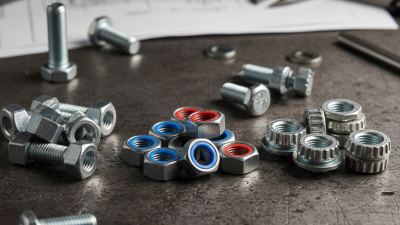
There are several types of lock nuts. The nylon-insert lock nut, with a nylon collar, provides excellent resistance to loosening. Flange lock nuts have a wider surface for better load distribution. Meanwhile, prevailing torque lock nuts grip tightly through deformation. It's essential to consider the material and environment when selecting a type. For example, stainless steel options work well in corrosive settings.
Tips: Check the specifications to ensure compatibility with your bolts. Consider the load and vibration levels your project might encounter. A poorly chosen lock nut can lead to unexpected failures. Testing different types on sample assemblies can help you determine the most effective solution for your needs. Remember, the right choice enhances long-term reliability.
Installation Techniques for Effective Use of Lock Nuts
When installing lock nuts, paying attention to their correct application is crucial for success. Proper tightening is the key. Apply consistent pressure to ensure the nut engages firmly with the bolt. Uncertain torque levels can lead to failure. Hence, use a torque wrench to measure accurately. This step can make a significant difference in your project's longevity.
Alignment matters significantly. Misaligned components can cause uneven stress. Check that the threads are aligned before tightening. This can prevent stripping or damage to the materials involved. Additionally, consider the environment where the lock nuts will be used. Corrosive conditions may require different materials or coatings for lock nuts. It’s wise to evaluate this beforehand.
Lastly, consider testing a few installed lock nuts. After installation, check for any movement or loosening over time. Adjustments may be necessary if you notice any shifts. Reflecting on past experiences can lead to better choices. Learning from mistakes enhances future projects. Incorporating lessons learned makes for a more reliable installation.
Common Mistakes to Avoid When Selecting Lock Nuts
When selecting lock nuts, common mistakes can undermine your project’s integrity. One frequent error is failing to match the lock nut type with your application. Different projects demand specific types of lock nuts, each designed for various environments and stresses. Without understanding their functions, you risk selecting a nut that won't perform as needed, leading to potential failures.
Another mistake is ignoring the material. Lock nuts are made from various materials, such as nylon, metal, and plastic. Each type interacts differently with environmental factors, including temperature and humidity. Choosing the wrong material can result in corrosion or wear over time.
Tips for selection: Always consider the application requirements. Research the specific load and stress the lock nut will bear. Additionally, consult expert resources or industry standards before making a decision. These resources add credibility to your choice, ensuring it suits your project's needs.
Also, don't overlook the importance of proper installation. An incorrectly installed lock nut can be just as problematic as selecting the wrong one. Always follow recommended installation practices to ensure you maximize the lock nut’s performance and reliability.