How to Choose the Right U Bolts for Your Project?
When starting a project that requires hardware, selecting the right components is crucial. Among these, U Bolts stand out for their versatility. They are widely used in various applications, from automotive to construction. Choosing the appropriate U Bolts can significantly impact the success and safety of your project.
Understanding the specifications of U Bolts is essential. Factors like size, material, and design need careful consideration. For instance, using a U Bolt that is too small can result in failure under stress. Additionally, the wrong material can lead to corrosion over time. It's vital to recognize that a proper fit ensures stability and durability.
Many individuals overlook the importance of consulting with experts. Relying solely on personal judgment may lead to mistakes. Engaging with experienced professionals can provide insights that guide your choice. This not only enhances project reliability but also builds confidence in the materials you select. Thus, approaching U Bolt selection with a keen eye and willingness to learn is key to a successful endeavor.
Understanding U Bolts: Definition and Purpose
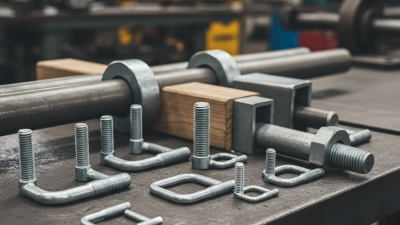
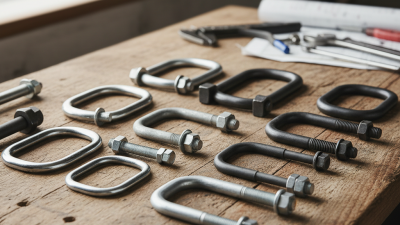
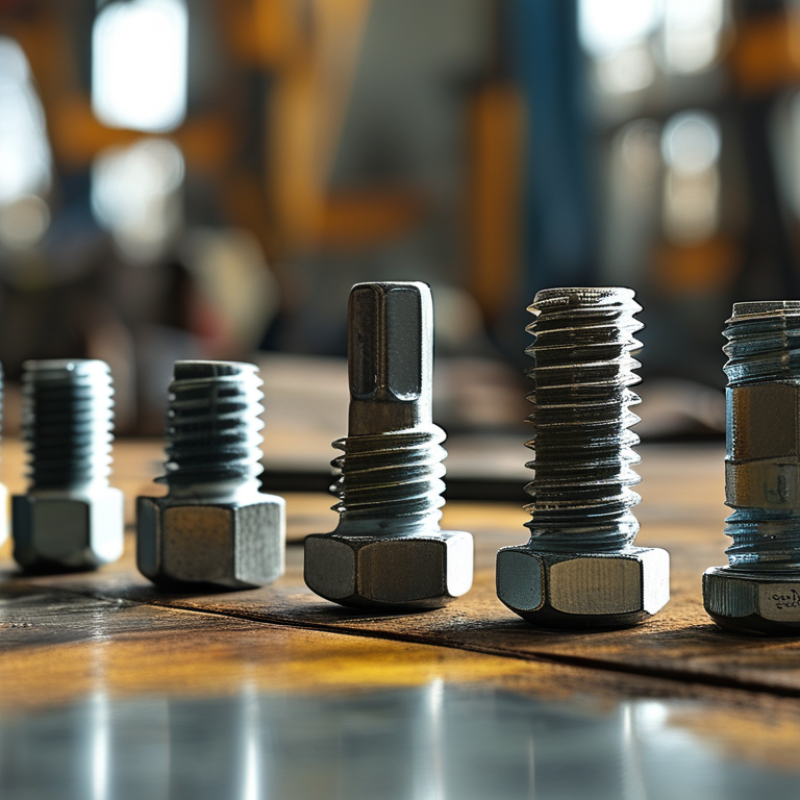
U bolts are essential fasteners in various applications, providing strong support for a range of projects. Their design resembles the letter "U," featuring two parallel legs and a threaded section. This structure allows U bolts to anchor objects securely, making them ideal for automotive, construction, and industrial uses. According to industry reports, the global U bolt market is projected to grow at a compound annual growth rate of 5.1% through 2027. This increase reflects rising demand across sectors.
Understanding U bolts involves recognizing their different types and materials. Common types include square, round, and custom shapes, each suitable for specific applications. The choice of materials, such as stainless steel or galvanized steel, impacts durability and corrosion resistance. A report by the Fastener Quality Act indicates that choosing the right material can enhance a U bolt's lifespan by up to 30% in harsh environments. Despite this, many users still overlook the importance of proper sizing, which can lead to premature failure or safety hazards.
Furthermore, installation plays a crucial role in the performance of U bolts. Proper torque specifications must be followed to prevent slippage. Unfortunately, miscalculations during installation are common. A study reveals that 20% of fastener failures stem from incorrect installation rather than product defects. This emphasizes the need for careful evaluation and training when utilizing U bolts in any construction or engineering project.
Types of U Bolts: Materials and Shapes Explained
Choosing the right U bolts for your projects involves understanding their types, materials, and shapes. U bolts come in various configurations, each suited for specific applications. Standard U bolts are typically made of steel, but options in stainless steel, galvanized metal, and plastic are also available. According to industry sources, steel U bolts account for over 60% of the market. They offer excellent tensile strength, making them ideal for automotive and construction applications.
When selecting a U bolt, consider factors like load requirements and environmental conditions. For example, stainless steel U bolts are preferred in corrosive environments due to their resistance to rust and degradation. The shape of U bolts can also vary—round, square, and flat are common designs. Industry reports show the round shape is most popular, representing about 70% of U bolt sales. However, not all projects require standard shapes. Custom or specially shaped U bolts may be necessary, particularly in bespoke manufacturing scenarios.
It is essential to think critically about your project's specific needs. Many overlook the importance of matching bolt sizes with respective anchors or mounts. This can lead to safety issues or structural failures. Using U bolts that do not fit correctly compromises the integrity of the assembly. Adjusting to changes in load and stress can also be an overlooked aspect during initial installations. Ensuring a proper fit and ongoing evaluation can make a significant difference in long-term performance.
U-Bolts Selection: Material and Shape Distribution
Factors to Consider When Choosing U Bolts for Your Project
When choosing U bolts for your project, several factors demand consideration. Material selection is crucial. U bolts made from stainless steel resist corrosion, ideal for outdoor settings. According to industry reports, approximately 60% of U bolt failures happen due to improper material choice. This emphasizes the need for thorough research and proper material matching to prevent future issues.
Dimensions and load capacity are equally essential. U bolts come in various sizes and strengths. Selecting the wrong dimensions can lead to structural problems. A study highlighted that 30% of structural failures arose from incorrect U bolt sizing. This often goes unnoticed until it’s too late. Always evaluate the load requirements accurately to ensure safety and longevity in your project.
Moreover, the installation process matters significantly. Proper installation ensures optimal performance. Industry analysis shows that improperly installed U bolts contribute to 25% of malfunctions. It's vital to follow guidelines during the installation phase, adjusting torque and orientation as needed. Failing to do so might require revisiting the project, leading to additional costs and time delays.
Measuring and Sizing U Bolts for Optimal Fit
When selecting U bolts, accurate measurement is essential for a successful project. Begin by determining the diameter of the pipe or item the U bolt will secure. This measurement ensures a snug fit, preventing any unwanted movement. For accurate results, use calipers or a measuring tape. Sometimes, a basic ruler may not provide the precision needed.
Consider the length of the U bolt as well. It should extend beyond the item it secures to allow for adequate tightening with nuts. If the U bolt is too short, it may not hold the item securely. Conversely, a bolt that is too long can cause issues with installation and may interfere with other components. Take the time to measure twice and cut once, which can save frustration later.
The width also matters. Remember that U bolts come in various widths. Choosing one that is too narrow can compromise its strength and functionality. Reflect on the overall weight and stress the U bolt will endure. Many forget to account for these factors, leading to improper installation. A careful evaluation of these measurements will lead to a better outcome in your project, ensuring durability and effectiveness in securing your components.
Common Applications and Uses of U Bolts in Various Industries
U bolts are essential fasteners used across various industries. They have a wide range of applications, from automotive to construction. In the automotive sector, U bolts often secure exhaust systems and suspensions. Their design provides strong support and stability, necessary for heavy components.
In construction, U bolts hold structural beams in place. They can secure pipelines and other critical components. Various materials are used for U bolts, including steel and stainless steel. Selecting the right material is crucial for ensuring durability. Corrosion resistance is particularly important for outdoor applications.
Some applications might have specific requirements. For instance, a project may need custom sizes or finishes. Evaluating this beforehand can save time and resources. It’s essential to consider the load-bearing capacity and environmental factors. Reflecting on these details helps in making a better choice. Using U bolts incorrectly can lead to issues like structural failures. Always analyze your project’s needs carefully before proceeding.
How to Choose the Right U Bolts for Your Project? - Common Applications and Uses of U Bolts in Various Industries
| Application |
Industry |
Material Type |
Size Range (inches) |
Load Capacity (lbs) |
| Mounting Equipment |
Construction |
Steel |
1-4 |
500 |
| Vehicle Suspension |
Automotive |
Stainless Steel |
2-6 |
1500 |
| Pipe Support |
Plumbing |
Galvanized Steel |
1-3 |
300 |
| Railway Applications |
Transportation |
Carbon Steel |
3-8 |
2000 |
| Secure Storage |
Agriculture |
Aluminum |
2-5 |
600 |