Inquiry
Form loading...
Buying Lifting Anchors for international projects takes more than comparing prices. The right choice depends on the load path, concrete strength, edge distances, and the way each unit will be installed. Small details matter: a recess former that does not fit, unclear markings, or missing test records can delay a whole precast production line.
This introduction uses a clearly fictional expert persona, lifting-anchor engineer Dana Mercer, for its original editorial quote: “Choose the anchor for the real load path, then verify every detail before it reaches the mold.” This is not a sourced quotation or a claim from a real industry professional. The practical point stands: buyers should request product data, confirm intended applications, and check that supplied documentation matches the exact anchor and accessories. Ask about traceability, manufacturing consistency, and technical support, too. A low unit price can look attractive until a shipment arrives with incomplete records.
The seven buying tips ahead will help global buyers compare suppliers with care. They cover load capacity, materials, approvals, customization, quality checks, logistics, and after-sales support. Requirements vary by project and market. Have a qualified engineer review anchor selection and installation details against the project design and applicable requirements. A catalog is only a starting point. Verify the details.
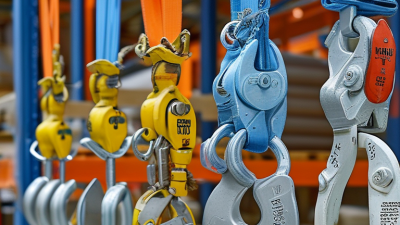
Lifting anchors are embedded inserts that connect precast concrete units to lifting equipment. They are cast into a component and engage with a compatible lifting clutch during handling. On a factory floor, this may mean lifting a wall panel from a casting bed, then turning or moving it into storage. The anchor’s job is specific. It does not make an unsuitable concrete element safe to lift.
Different designs suit different load directions and component shapes. Selection depends on factors such as unit weight, concrete strength at lifting, embedment depth, edge distance, and reinforcement layout. Lifting angles matter, too. A load applied at an unexpected angle can change the forces on the anchor. That detail is easy to miss. Buyers should share drawings and handling steps, not just a target load, when requesting options.
Ask for clear capacity data, installation guidance, and documentation that identifies the anchor and its compatible clutch. Check that the proposed system matches the project’s lifting sequence and the concrete’s condition at release. A catalogue rating alone is not enough. I would also confirm how anchors sit near openings or narrow edges; site layouts are not always as tidy as drawings suggest. If details remain uncertain, have a qualified engineer review the lifting arrangement before production.
| Buying Tip | What to Check | Typical Application | Practical Buyer Question |
|---|---|---|---|
| 1. Match the anchor to the lifting system | Confirm the anchor type is compatible with the intended lifting clutch or attachment. Some systems are designed to work only with matching components. | Precast concrete panels, beams, pipes, and other elements lifted with a dedicated clutch. | Is the lifting clutch specified for this anchor system, and are the components compatible? |
| 2. Verify the load direction and configuration | Check the design for axial, shear, or combined loading, as well as sling angle, number of anchors used, and load distribution. Capacity can change with the loading arrangement. | Wall panels lifted upright, elements tilted during erection, or components handled with multiple lifting points. | Does the capacity documentation cover the actual lifting direction and rigging geometry? |
| 3. Check concrete and embedment requirements | Review the required concrete strength at lifting, embedment depth, edge distance, spacing, and any reinforcement requirements. Concrete breakout and splitting can affect performance. | Precast concrete products lifted from casting beds or transported before full design strength is reached. | What minimum concrete strength and installation details are required at the time of lifting? |
| 4. Select a suitable anchor form | Compare anchor geometry and load-transfer method, such as a headed anchor, a foot anchor, or a threaded lifting insert. The choice depends on the element, reinforcement, and lifting arrangement. | Headed anchors are commonly embedded in precast elements; threaded inserts may be used where a compatible threaded attachment is specified. | Does the anchor fit the component thickness, reinforcement layout, and planned lifting method? |
| 5. Assess exposure and corrosion protection | Consider moisture, salts, chemicals, temperature, and storage conditions. Choose a material or protective finish appropriate to the exposure and applicable project requirements. | Outdoor storage, coastal construction, infrastructure projects, or repeated exposure to wet conditions. | What environmental conditions will the anchor encounter during manufacture, transport, and use? |
| 6. Request traceable technical documentation | Obtain product identification, dimensional information, rated-load documentation, material details, installation instructions, and applicable test or conformity documents. | Projects requiring engineering review, inspection records, or procurement across multiple countries. | Can each delivered batch be linked to the relevant specifications and inspection records? |
| 7. Plan inspection, handling, and replacement | Define pre-use inspection criteria and procedures for damaged, deformed, corroded, or unidentified components. Follow the supplier's instructions and applicable lifting regulations. | Repeated lifting operations in precast yards, construction sites, and logistics areas. | Are inspection responsibilities, storage practices, and rejection criteria documented? |
Important: Lifting-anchor selection and use should be verified by a qualified engineer or competent lifting professional. Use the applicable design standard, project specifications, and the anchor system's documented instructions; do not infer a safe working load from appearance or dimensions alone.