Inquiry
Form loading...
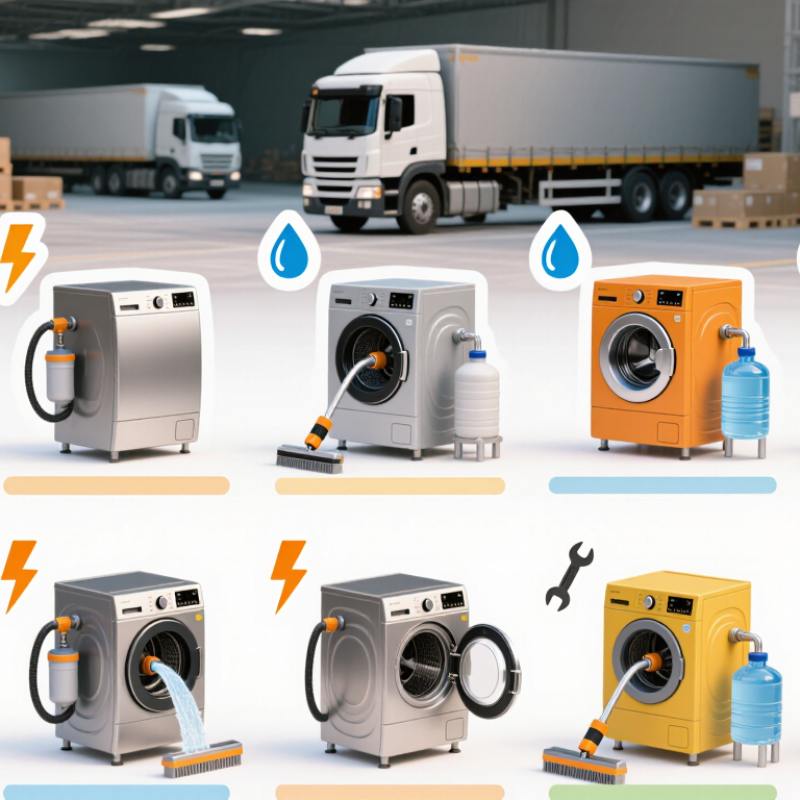
Choosing among the Top 10 Dock Washers for Global Buyers starts with the worksite, not the brochure. A busy loading bay may need fast wash cycles, while a food-processing facility may prioritize controlled water use and easy sanitation. Check the dock layout, available water pressure, drainage, power supply, and daily cleaning volume before comparing models. Small details matter. A hose connection in the wrong place can slow an entire shift.
For a clear buying principle, this guide uses an original editorial quote from fictional composite specialist Mara Chen: “The best Dock Washers fit the site’s routine, not just its specification sheet.” This is newly written, not a historical quotation. Compare cleaning performance, materials, controls, service access, spare-parts availability, and supplier support. Ask vendors for operating data and clear warranty terms, then confirm those details against your actual site conditions. Global buyers should also check language support, delivery arrangements, and access to replacement components in their region.
A ranking is useful, but it is not a substitute for a site trial. Published specifications can miss awkward corners, changing workloads, or maintenance habits. That is not enough. Request a demonstration where practical, and record the time, water use, and effort required for a real cleaning cycle. The shortlist ahead compares ten options through these everyday considerations. No single model suits every dock, and a careful comparison may still reveal a constraint you had not noticed.
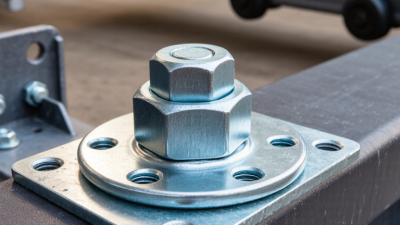
Dock washers spread clamping force and help protect connections around loading bays, ramps, and dock equipment. Their shape should match the joint, not just the bolt. A washer that looks close may still leave uneven contact. Fit matters.
Fender washers have a broad outside diameter and a relatively small center hole. They can distribute pressure across thin sheet metal or a slotted panel, where a narrow washer might pull through. Plate washers are thicker and often square or rectangular. They suit larger holes and concentrated loads, but they need a flat, clean bearing surface. Structural washers are made for specified structural connections; buyers should check the applicable drawings and fastener requirements rather than treating them as oversized standard washers.
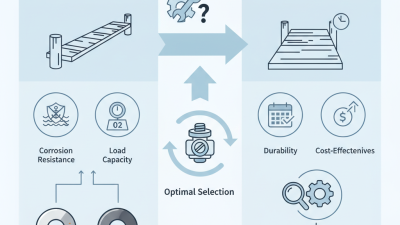
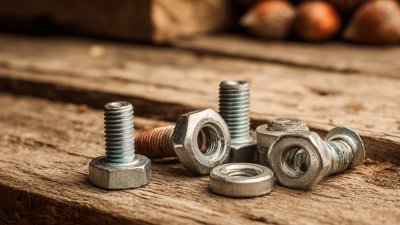
Material and finish matter in wet, salty dock areas. Stainless steel can resist corrosion, while coated carbon steel may be appropriate when the coating and environment are compatible. Avoid mixing metals without checking corrosion risk. Small details count. Measure the bolt diameter, hole size, plate thickness, and available clearance before ordering. A practical check is to confirm that the washer sits fully against the surface after tightening. Still, specifications do not tell the whole story: damaged paint, burrs, or a flexible panel can change how the joint behaves. The “standard” choice is not always the right one.
| Rank | Washer Type | Typical Material | Common Sizing Approach | Typical Dock Application | Key Buying Consideration |
|---|---|---|---|---|---|
| 1 | Standard Fender Washer | Carbon steel, zinc-plated steel, hot-dip galvanized steel, or stainless steel | Selected by bolt diameter; the outside diameter is larger than that of a standard flat washer. | Spreads clamping force over a wider area when fastening dock boards, panels, or light brackets. | Check the hole diameter, outside diameter, and thickness against the fastener and substrate. |
| 2 | Extra-Large Fender Washer | Usually carbon steel or stainless steel; coated options are also available. | Specify bolt-hole size and required outside diameter rather than relying on the name alone. | Useful where a larger bearing area is needed on thin sheet, worn timber, or slotted mounting surfaces. | A larger washer can reduce local bearing pressure, but it does not replace a properly designed backing plate. |
| 3 | Square Plate Washer | Carbon steel, galvanized steel, or stainless steel | Specified by length, width, thickness, and hole size; often made to project drawings. | Provides a broad bearing surface for dock framing, timber connections, and structural hold-down details. | Confirm plate dimensions, edge distances, and the load path with the project drawings or engineer. |
| 4 | Rectangular Plate Washer | Carbon steel or corrosion-resistant steel, selected for the exposure conditions | Specify overall length and width, thickness, and hole location; dimensions are application-dependent. | Spreads load along a longer area, such as at a narrow timber member or elongated connection. | Check that the plate fits the available space and bears fully on sound material. |
| 5 | Round Plate Washer | Carbon steel, galvanized steel, or stainless steel | Specified by outside diameter, thickness, and bolt-hole diameter. | Offers a larger circular bearing area for anchors, tie-downs, and dock hardware assemblies. | Do not assume a round plate washer has the same capacity as a tested structural washer. |
| 6 | Hardened Structural Washer | Hardened steel, commonly supplied to a specified structural-washer standard | Matched to the nominal bolt size and the applicable standard or project specification. | Used with structural bolting where a hardened washer is required by the connection design. | ASTM F436/F436M may apply when specified. Verify the required standard, grade, and coating; ordinary flat washers are not interchangeable. |
| 7 | Beveled Washer | Steel; finish or coating depends on the environment and specification | Selected for the bolt size and the slope or angle of the bearing surface. | Helps provide a more even bearing surface at connections on sloped flanges or angled members. | Use the correct bevel and orientation; confirm suitability with the connection design. |
| 8 | Stainless Steel Flat Washer | Stainless steel, with grade chosen for the service environment | Matched to the fastener diameter; specify the required washer dimensions and stainless grade. | General-purpose fastening in wet or coastal locations where corrosion resistance is important. | Grade 316 is often considered for chloride exposure, but actual performance depends on exposure, crevices, maintenance, and material pairing. |
| 9 | Thick Flat Washer | Carbon steel, galvanized steel, or stainless steel | Specify thickness as well as inside and outside diameters; standard flat-washer dimensions may not meet the need. | Provides a more substantial bearing surface or clearance adjustment in heavy-duty hardware assemblies. | Check the washer’s dimensions and material against the design; thickness alone does not establish structural capacity. |
| 10 | Bonded Sealing Washer | Metal washer with an elastomeric sealing layer, commonly EPDM or another specified elastomer | Selected to fit the fastener and create the required sealing contact; follow the supplier’s dimensional specification. | Helps seal fastener penetrations through compatible panels or covers exposed to water. | Primarily a sealing component, not a substitute for a structural plate washer. Confirm elastomer compatibility, compression, and exposure limits. |
Selection note: Washer dimensions, material, coating, and applicable standards vary by design and market. Confirm requirements against the project drawings, local codes, exposure conditions, and fastener specifications before ordering.