2026 Top Sleeve Anchors for Construction and DIY Projects How to Choose?
When embarking on construction and DIY projects, choosing the right fastening solutions is crucial. Sleeve anchors are at the forefront of this choice. According to a report by Grand View Research, the global construction anchoring system market is expected to reach USD 8.69 billion by 2025. This underscores the growing importance of reliable anchors for diverse applications.
Sleeve anchors provide versatility, strength, and stability in various materials, from concrete to masonry. Their multifaceted applications make them a favorite among professionals and DIY enthusiasts. Notably, over 70% of construction professionals emphasize the need for quality anchoring systems. Yet, many may overlook the nuances of selecting the right sleeve anchor, resulting in potential project failures.
While sleeve anchors may seem straightforward, their effectiveness truly lies in proper selection and installation. Each project presents unique challenges, such as load requirements and environmental factors. Thus, improper choices can lead to costly mistakes. Understanding the specifics of sleeve anchors is paramount for anyone looking to achieve lasting results in their construction endeavors.
Understanding Sleeve Anchors and Their Applications in Construction
Understanding sleeve anchors is crucial for construction and DIY projects. These anchors provide
strong holding power in concrete and masonry.
According to a report by the American Concrete Institute, sleeve anchors are preferred due to their reliability
in various applications, particularly in heavy load scenarios.
When selecting a sleeve anchor, consider factors like material, length, and
diameter. For instance, galvanized steel anchors
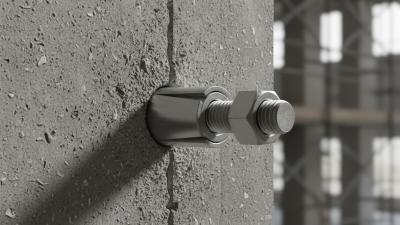
are ideal for outdoor use, resisting corrosion. Their design allows them to expand within the base material,
creating a secure fit. Experimentation with different sizes may be necessary, as over- or under-sizing can
compromise strength.
Tip: Always refer to load capacity ratings from reputable sources when selecting sleeve anchors.
This knowledge can prevent potential failures in critical applications.
It's important to reflect on installation techniques.
Misalignment during installation can lead to weaker connections. Investing in proper tools and techniques
will enhance performance. Secure anchor placement can significantly reduce the risk of structural issues later on.
Tip: Practice makes perfect; test installations on spare materials before the final application.
Taking the time to ensure proper technique saves time and costs in the long run.
Key Factors to Consider When Choosing Sleeve Anchors
When selecting sleeve anchors for construction or DIY projects, several key factors must be weighed.
Start with the anchor type. Some anchors work better in solid materials, while others excel in hollow or soft surfaces.
Consider the base material where the anchor will be installed.
Concrete, brick, and drywall all have different requirements.
Each material can affect the anchor's holding power.
Another crucial factor is the size and load requirements.
Ensure you select the right diameter and length for your project.
Too small a size may lead to failure.
It’s essential to check the manufacturer's specifications for load ratings.
Installation methods can vary too. Have a plan in place; improper installation can compromise the anchor's performance.
Evaluate environmental conditions like moisture and temperature.
Some materials can corrode or fail in extreme conditions.
If you're unsure of what you need, consult with a professional.
They can help clarify options and suitability.
The choice of sleeve anchor can significantly impact project success.
Testing different anchors can be beneficial, leading to better outcomes.
Always reflect on previous experiences to refine your decisions.
Comparing Different Types of Sleeve Anchors for DIY Projects
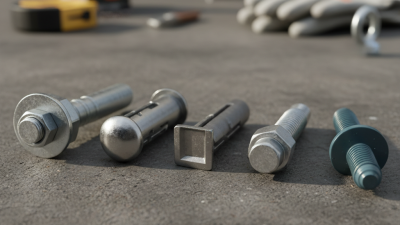
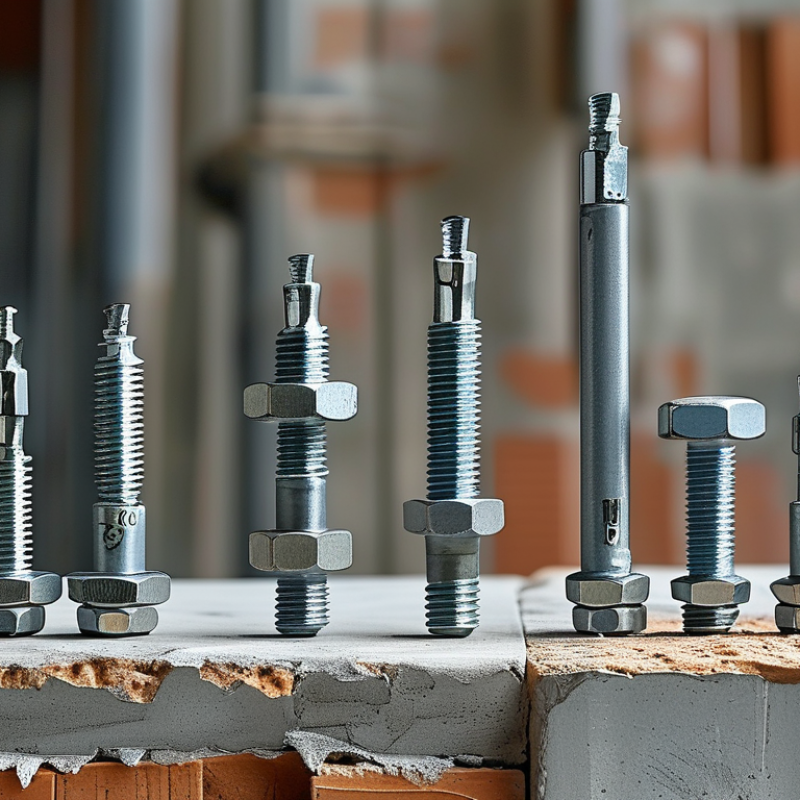
When selecting sleeve anchors for your DIY projects, understanding the types available is crucial. Sleeve anchors are versatile fasteners suitable for various materials. They work well in concrete, brick, and masonry. The most common types include expansion sleeve anchors, drop-in anchors, and through-bolts. Each serves specific needs based on weight capacity and application area.
Expansion sleeve anchors expand against the base material when installed. These are excellent for general-purpose use. Drop-in anchors provide a flush mount, ideal for installations requiring a clean finish. However, they often need a special setting tool. Consider also the environmental factors. Some anchors are better suited for outdoor use and resist corrosion, while others may not hold up well in wet conditions.
It’s essential to evaluate the weight of the items being secured. Using an anchor not rated for your load is a common mistake many DIYers make. Failure to select the right type can lead to stripped threads or even catastrophic failures. Take time to assess your project needs and the materials involved. The right choice can save time and enhance safety. Trust experience and expertise for successful installations, avoiding unnecessary mishaps.
2026 Top Sleeve Anchors for Construction and DIY Projects
This chart compares key performance metrics of different types of sleeve anchors commonly used in construction and DIY projects, including their material type, holding strength, corrosion resistance, ease of installation, and price. Use this information to make informed decisions when selecting sleeve anchors for your projects.
Installation Techniques for Optimal Performance of Sleeve Anchors
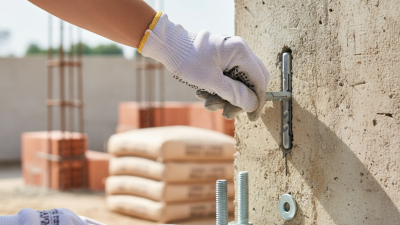
When installing sleeve anchors, precise technique is crucial for achieving optimal performance. Begin by selecting the right drill bit. The diameter should match your anchor size. Drill to the recommended depth, as too shallow can lead to anchor failure. Keep the hole free from dust. Use a vacuum or a brush to clean it thoroughly.
The next step is alignment. Ensure that the anchor is inserted straight into the hole. A slight tilt may compromise its holding capacity. After placing the anchor, tighten it according to the manufacturer's specifications. Over-tightening can cause the anchor to fracture. It's a balance that requires careful attention.
Reflection is key in this process. Often, mistakes can happen, like choosing the wrong size or neglecting to clean the hole. Learning from these errors can lead to better results in future projects. Emphasizing the importance of precision can significantly enhance the reliability of your constructions. Always double-check your work for quality assurance.
2026 Top Sleeve Anchors for Construction and DIY Projects: How to Choose? - Installation Techniques for Optimal Performance of Sleeve Anchors
| Anchor Type |
Material |
Diameter (mm) |
Maximum Load (kg) |
Recommended Substrate |
Installation Depth (mm) |
Application Area |
| Heavy-Duty Sleeve Anchor |
Carbon Steel |
12 |
150 |
Concrete |
60 |
Structural Applications |
| Standard Sleeve Anchor |
Stainless Steel |
10 |
100 |
Brick |
50 |
Medium Duty Applications |
| Low Profile Sleeve Anchor |
Galvanized Steel |
8 |
75 |
Masonry |
40 |
Light Duty Applications |
| Sleeve Anchor with Washer |
Zinc Coated |
14 |
120 |
Concrete |
70 |
General Construction |
Safety Tips and Best Practices for Using Sleeve Anchors in Projects
When using sleeve anchors, safety should always be a priority. Proper installation is key to ensuring stability and avoiding accidents. It's essential to use the right drill bit size for the anchor you are using. Drilling too large can compromise the anchor's grip. Also, inserting the anchor without proper torque can lead to failure.
Wearing safety gear is a must. Use goggles and gloves to protect yourself from debris. Always be aware of your surroundings. Make sure the area is clear of obstacles and bystanders. If you feel unsure about the strength of the wall or surface, consult with a professional.
Lastly, always follow the manufacturer's instructions. This includes load limits and installation guidelines. These details ensure you don't overestimate your project's needs. Be cautious when removing anchors, as this could damage the substrate. Reflecting on your work process can lead to better decisions. Engaging in thorough inspections helps identify potential issues before they escalate.