Top Marine Fasteners for Your Global Sourcing Needs?
In the world of marine applications, the choice of Marine Fasteners is crucial. Experts like Dr. Emily Carter, a leading figure in marine engineering, emphasize the importance: "Selecting the right Marine Fasteners can determine the durability of your vessels." This highlights how essential these components are for both safety and longevity.
Marine Fasteners face unique challenges. They must endure harsh environments, including saltwater and extreme temperatures. Corrosion resistance is a key factor to consider. Quality materials and coatings can significantly impact performance. Sourcing from reliable global suppliers ensures you get the best products.
As the industry evolves, innovation in Marine Fasteners is vital. New designs and materials emerge regularly. However, selecting the right partner for sourcing can be challenging. Understanding specifications and regulations is essential to avoid costly mistakes. Conducting thorough research allows companies to find the most suitable fasteners for their needs. Balancing quality with cost is an ongoing struggle, often leading to reflection on sourcing strategies.
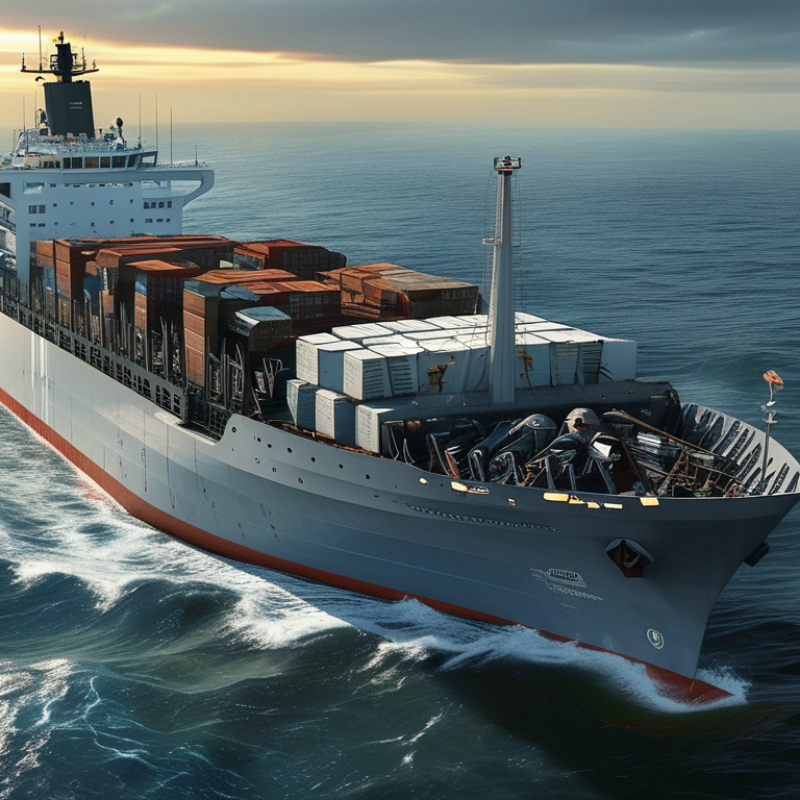
Marine Fasteners Overview: Types and Applications in the Maritime Industry
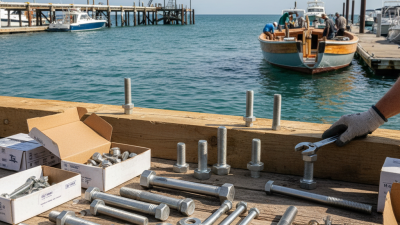
Marine fasteners are crucial in the maritime industry. They secure components in various marine applications. These fasteners must withstand harsh conditions, including saltwater, moisture, and varying temperatures. Understanding the types of marine fasteners is essential for effective sourcing.
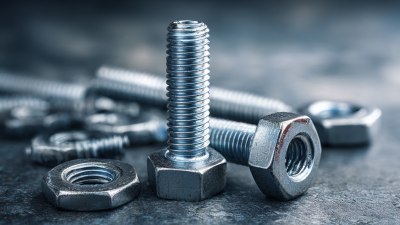
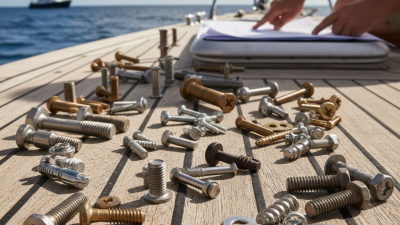
Common types include bolts, screws, and nuts, made from durable materials such as stainless steel or titanium. These materials resist corrosion and prolong the lifespan of marine structures. Applications range from boat assembly to repair works. Proper selection ensures safety and reliability.
Tip: Always consider the environment where fasteners will be used. Corrosive elements can degrade material performance over time. Ensure to evaluate the specific requirements of your marine projects.
Not all fasteners are equal. Sometimes, sourcing lower-cost options can lead to failures. Long-term performance might be compromised for short-term savings. Reflect on the trade-offs before making decisions. Always prioritize quality and reliability in marine applications.
Factors Influencing Global Sourcing of Marine Fasteners
When it comes to sourcing marine fasteners globally, several key factors come into play. Understanding the material standards is vital; marine fasteners often require specific corrosion resistance and strength standards. According to industry reports, over 45% of marine fastener failures are linked to inadequate material compliance. Rigorous testing and certification of materials should be standard practice.
Another crucial factor is the shipping logistics. The marine industry relies heavily on timely deliveries. A delay in sourcing fasteners can halt a project. Statistics indicate that the shipping time for marine components can range from two weeks to several months, impacting project timelines. Therefore, having reliable suppliers in strategic locations is essential for efficient sourcing.
Lastly, cost competitiveness cannot be overlooked. The global marine fasteners market is projected to grow at a compound annual growth rate (CAGR) of 4.5% by 2025. However, sourcing decisions should not be made solely on price. Quality must always remain a priority. Some companies find themselves compromising quality for cost, which can lead to greater expenses down the line. Selecting the right partner in marine fasteners requires careful consideration of these factors.
Top Marine Fasteners Sourcing Factors
Top Materials Used in Marine Fasteners: Corrosion Resistance and Durability
Marine fasteners play a critical role in ensuring the longevity and safety of vessels. When sourcing fasteners, selecting the right materials is essential. Corrosion resistance is a key factor due to the harsh marine environment. Stainless steel, particularly grades 316 and 304, is widely acknowledged for its excellent resistance to saltwater. According to a recent report by the Marine Engineering Journal, over 70% of marine failures relate to corrosion issues.
Durability is another vital aspect. The use of materials like titanium and specialized coatings has gained traction. Titanium offers both strength and lightness, making it ideal for high-performance applications. Reports indicate that titanium fasteners can last up to 50% longer than traditional options under similar conditions.
Tips: When choosing marine fasteners, consider environmental conditions. Regular inspections are crucial to identify early signs of corrosion. Additionally, employing coatings can enhance longevity, but this requires careful selection to avoid mismatches with base materials. Pay attention to each fastener's specifications and compatibility for optimal performance.
Market Trends: Growth Projections for Marine Fastener Demand by 2026
The marine fastener market is projected to grow significantly by 2026, driven by increasing demand for durable and corrosion-resistant materials. A shift toward sustainable practices is influencing purchasing decisions. Companies are exploring innovative materials and designs to meet this need.
Experts predict a rise in demand attributed to the expansion of marine infrastructure and recreational boating. This trend highlights the critical role of fasteners in ensuring safety and performance. However, sourcing these components presents challenges. Not all suppliers meet quality standards. Manufacturers must conduct thorough evaluations to ensure reliability.
As the market evolves, staying informed about emerging technologies is vital. Exploring alternative materials can enhance performance and sustainability. Yet, businesses must navigate complexities in global sourcing. Adapting to these changes requires ongoing education and strategic partnerships.
Key Suppliers and Manufacturers in the Marine Fasteners Market
In the marine fasteners market, key suppliers and manufacturers play a crucial role. These companies provide vital components that ensure the safety and efficiency of marine structures. Fasteners must withstand harsh conditions such as saltwater corrosion and extreme temperatures. Selecting the right suppliers is essential for reliable performance.
Tips: When sourcing marine fasteners, consider the materials used. Stainless steel and titanium are often preferred for their corrosion resistance. However, options like zinc-plated fasteners can be cost-effective for less demanding applications. Research suppliers thoroughly to evaluate their manufacturing practices and quality control measures.
Identifying reputable manufacturers is critical. Look for those with certifications that indicate adherence to industry standards. A supplier’s experience in the marine sector can be a good indicator of reliability. Not all suppliers have the same level of expertise; some may lack vital certifications. Always ask for references and detailed product information before making a commitment.