How to Choose the Right Mining Expansion Shell?
Choosing the right Mining Expansion Shell is a ground-control decision, not a catalog exercise. The shell must match the bolt, drilled-hole diameter, installation method, and expected rock conditions. A shell that spins in a wet or oversized hole may fail to develop dependable anchorage. One that expands unevenly can damage fractured ground. Small details matter: hole cleanliness, insertion depth, and installation torque can change the result.
NIOSH ground-control research and MSHA’s mine injury and accident data offer useful context for evaluating support risks. Neither source specifies one shell for every mine. Conditions vary by geology, water, stress, and installation practice. Review site records, inspect representative holes, and compare supplier test data with the actual bolt-and-shell assembly. Keep the limits visible. Laboratory performance does not guarantee identical field performance.
Dr. Christopher Mark, a mining engineer known for ground-control research, has emphasized matching support to ground behavior. A practical paraphrase of that principle is: “Choose support for the rock mass and failure mechanism, not by habit.” That is guidance, not a verified verbatim quotation. Before selecting a Mining Expansion Shell, ask what load it must carry, how it will be installed, and how performance will be checked. Then test the choice against field evidence. A tidy specification can still miss a messy rock mass.
Understanding the Purpose and Design of a Mining Expansion Shell
How to Choose the Right Mining Expansion Shell?
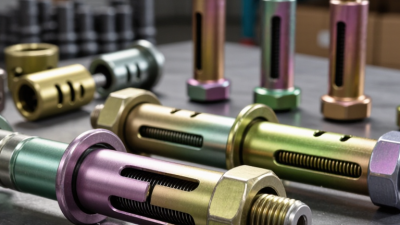
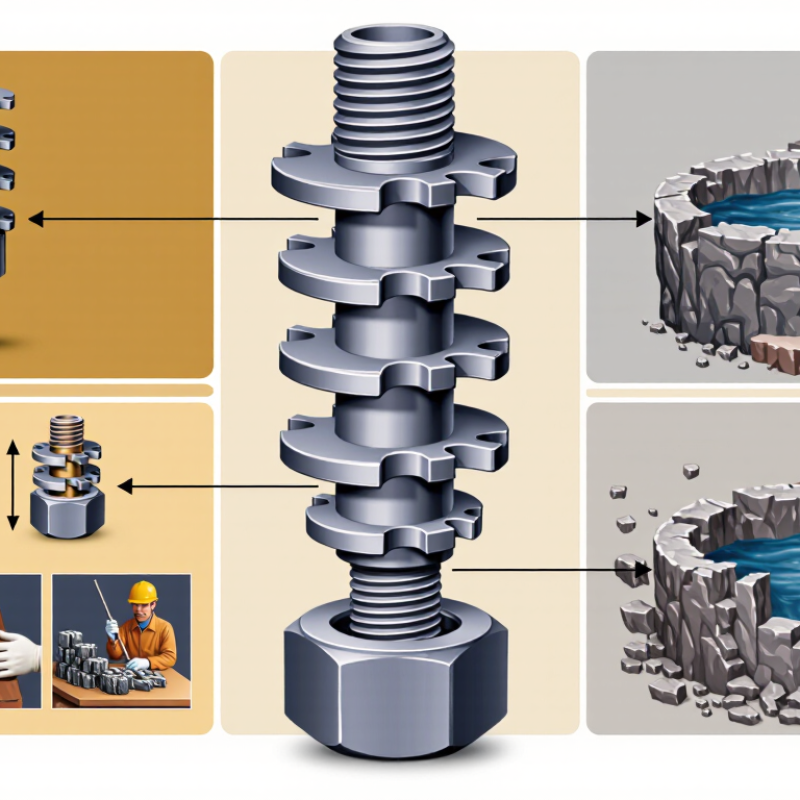
A mining expansion shell helps anchor a bolt inside a drilled hole, supporting ground-control systems in suitable rock conditions. Its purpose is mechanical: as the bolt is tightened, a cone moves against the shell segments and presses them outward. The resulting grip depends on the hole, the rock, and the installation. Small details matter.
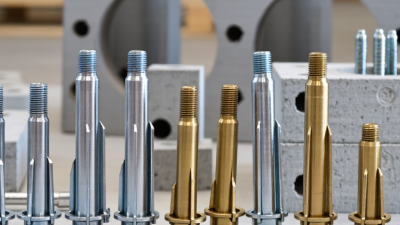
Design varies by shell diameter, segment shape, cone angle, and material. These features affect how the shell expands and transfers load to the surrounding rock. The shell must match the borehole size and the bolt system; a mismatch can reduce contact or make installation unreliable. Check the manufacturer’s technical specifications and site requirements. No shell suits every heading.
Rock quality also matters. A fractured or oversized hole may not provide dependable anchorage, even with a well-made shell. In practice, teams should verify hole diameter, depth, cleanliness, and installation torque using the specified procedure. Look for corrosion protection when moisture is present, but do not assume a coating replaces inspection. That part is easy to miss. Selection should reflect the ground assessment and the support design, with qualified personnel confirming compatibility before installation. A neat drawing cannot capture every irregular hole. That limitation deserves attention.
Assessing Rock Conditions and Support Requirements
A mining expansion shell should be selected against the rock it will actually encounter, not an average drawn from a distant survey. Map joint spacing, fracture direction, weathering, and water seepage along the proposed opening. A damp seam near the crown can weaken otherwise competent rock. Small cracks matter. Record changes as excavation advances, because conditions can shift over a few metres.
Support needs depend on how the rock blocks move, how large the opening is, and what stress surrounds it. In fractured ground, engineers may specify shorter excavation rounds, rock bolts, mesh, or shotcrete. More stable rock may need less reinforcement, but that decision still requires inspection and documented measurements. Water changes the picture. Check drainage and monitor seepage, loose blocks, and roof convergence after each stage. Compare observations with the support plan, then have a qualified geotechnical professional review any mismatch. One judgment call remains difficult: a face can look sound while hidden joints continue behind it. That uncertainty deserves monitoring, not optimism.
Comparing Expansion Shell Types and Materials
A mining expansion shell converts bolt tension into radial pressure against the borehole wall. Split-shell designs are common: a tapered plug forces the leaves outward as the bolt turns. More contact area can improve grip in competent rock, but fractured or oversized holes may prevent even seating. Small details matter.
Shells with fewer, thicker leaves can resist deformation in firm strata. Multi-leaf designs distribute contact across more points, which may suit variable boreholes, though their performance still depends on installation and rock quality. NIOSH ground-control research emphasizes matching support systems to local geology; a shell’s nominal capacity alone cannot predict field performance. Pull tests and representative site trials are useful checks.
Material choice changes durability and load behavior. Carbon steel is a practical option in dry, low-corrosion workings. Higher-strength alloy steel may support greater loads, subject to verified grades and compatible bolt assemblies. Stainless steel or protective coatings can help where mine water is corrosive, but inspect for coating damage and dissimilar-metal contact. The IEA’s Global Critical Minerals Outlook 2024 reports lithium demand rose 30% in 2023, while nickel, cobalt, graphite, and rare-earth demand grew 8–15%. That signals expansion pressure, not a shell-performance result.
I would not select a shell from demand trends; water chemistry, hole diameter, rock condition, and verified test data should drive the choice.
Matching Shell Size and Compatibility to the Rock Bolt
An expansion shell must match the rock bolt’s diameter, thread form, and intended anchorage range—not merely fit inside the drilled hole. Check the bolt and shell specifications together, then compare their required hole diameter with the actual bore. A worn bit can leave a wider, irregular hole. Too little expansion may prevent a firm set; too much can damage weak rock or stop the shell from seating properly. Check the thread engagement, too. It should be sufficient for the shell to expand as designed, without binding during installation.
Rock conditions matter just as much. In competent rock, a shell may grip reliably; in fractured or soft ground, the same assembly can spin or lose holding capacity. ASTM F432 covers roof and rock bolts and related components, but it does not replace site-specific compatibility checks. MSHA’s 2023 fatality data recorded 40 deaths across U.S. mining; this is not a bolt-failure statistic, but it reinforces the need for controlled ground-support decisions. On site, record the drilled diameter and depth, inspect the bolt threads, and follow the shell’s stated installation limits. Test the fit on representative holes when conditions vary. A paper specification can miss a rough bore. Recheck after a bit change, and document any mismatch before installation.
How to Choose the Right Mining Expansion Shell
The chart shows example nominal sizes, not a universal compatibility standard. Select a shell that matches the drilled-hole diameter and the bolt’s diameter and thread profile; confirm the shell’s specified hole-size range and installation requirements with its technical data before use.
Checking Installation and Load Performance Criteria
How to Choose the Right Mining Expansion Shell?
Checking Installation and Load Performance Criteria
Installation quality decides whether an expansion shell develops reliable anchorage. Match the shell to the borehole diameter, rock condition, and bolt specification. A dusty or oversized hole can prevent full contact; a wet, fractured hole may behave differently from sound rock. Measure hole depth and diameter, then check the bolt’s insertion and rotation against the supplier’s documented procedure. Small deviations matter.
ASTM F432 provides specifications for roof and rock bolts, while NIOSH ground-control research highlights the role of geology and installation in support performance. Use these references to guide testing, not as substitutes for site data. Record torque, embedment, and pull-test load for each test location. Compare results across locations and note where the rock changes. For example, a shell that holds in a solid test bay may slip near a joint. That is useful evidence, not a reason to hide an inconvenient result.
Check load performance with calibrated equipment and a written acceptance range set by the site engineer. Review both the peak load and how the shell responds as load rises; a sudden drop can signal poor engagement. Repeat tests after changes in hole size, drilling conditions, or rock type. Keep records. A single successful test is reassuring, but not conclusive.