China Top Mining Expansion Shell Anchor Bolt Suppliers
China’s mining equipment sector includes manufacturers and distributors serving underground projects worldwide. Among their products, the Mining Expansion Shell Anchor Bolt helps secure roof support systems in suitable rock conditions. Choosing a supplier requires more than comparing catalog prices. Details matter.
A useful supplier review looks at shell dimensions, bolt compatibility, material specifications, surface protection, and manufacturing consistency. Buyers should request current drawings, inspection records, and clear answers about production capacity. Ask how samples are checked, and whether packaging can protect threads and shells during transport. These practical checks can reveal gaps that polished product pages may not show.
The phrase “top suppliers” should be treated as a starting point, not a verified ranking. Supplier capabilities vary, and a product suitable for one mine may not fit another ground-support plan. Confirm technical requirements with qualified mining or geotechnical professionals before ordering. Compare delivery terms, communication, and after-sales support as carefully as the stated specifications. A small mismatch can matter. This guide introduces considerations for evaluating China-based suppliers of Mining Expansion Shell Anchor Bolt products, while recognizing that no short list replaces project-specific testing and due diligence. Some details may remain unclear until buyers inspect samples or discuss requirements directly.
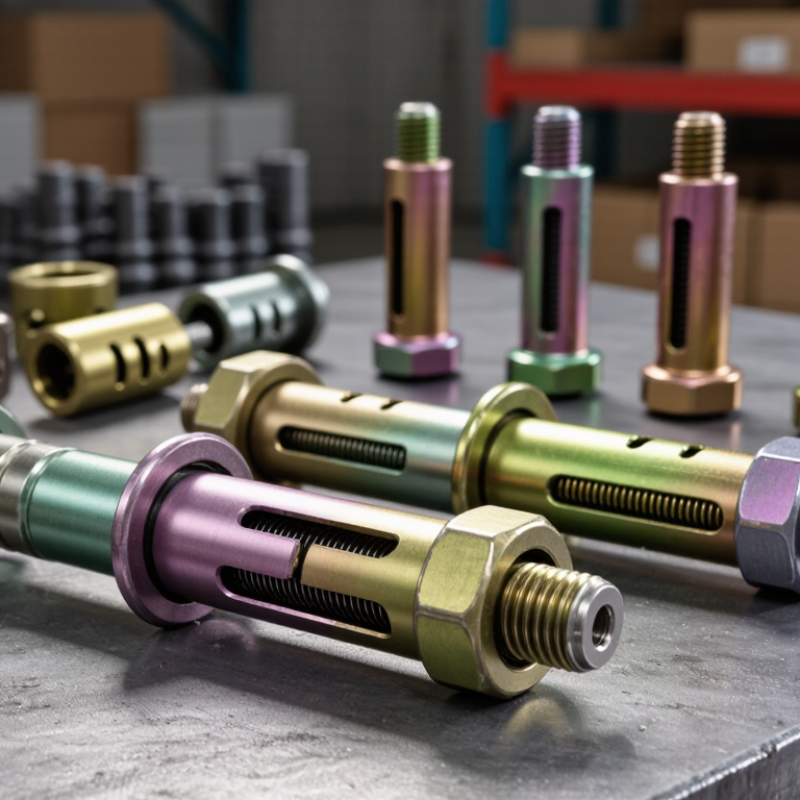
Expansion Shell Anchor Bolts: Structure and Working Principles
An expansion-shell anchor bolt grips rock through mechanical expansion. Its head typically contains a tapered plug, split shell, bolt, and bearing plate. As the bolt is tensioned, the plug moves into the shell. The shell segments spread outward and press against the drilled hole. This radial force creates friction and resists withdrawal. Small parts matter. An oversized, dusty, or fractured borehole can reduce reliable contact. That detail is easy to overlook underground.
Performance depends on rock strength, hole diameter, bolt length, and expected loading. Crews should inspect the borehole, seat the shell correctly, and tighten to the specified torque. Pull tests can help identify poor seating, but they do not replace geotechnical design. The USGS Mineral Commodity Summaries 2025 estimated 2024 world iron ore production at about 2.5 billion metric tons. That figure shows mining’s scale, not anchor-bolt performance. For suppliers, consistent dimensions and traceable test records are practical quality indicators. Field conditions remain messy. A well-made bolt still needs a suitable design and careful installation.
Key Specifications for Mining Expansion Shell Anchor Bolts
For mining expansion shell anchor bolts, specifications matter more than a catalogue label. Check the bolt diameter, overall length, and shell expansion range against the drilled hole and the rock conditions. A shell that is too small may not grip securely; one that expands poorly can damage weaker rock. There is no single size that suits every heading.
Review the steel grade and stated tensile capacity, but also ask how these values were tested. The anchor’s performance depends on the bolt, shell, hole diameter, installation torque, and surrounding ground working together. In wet or corrosive areas, confirm the coating type and its intended service conditions. A tidy specification sheet can still omit useful details, so request dimensional tolerances and inspection records. That extra check is worth the time.
Tips: Compare the specified hole diameter with the drill bit used underground. Check that the shell seats fully and expands as intended during installation. Keep a sample for fit checks. Small inconsistencies can matter, and field conditions rarely match a perfect drawing.
Manufacturing and Quality Standards in China
China’s mining expansion demands shell anchor bolts that perform reliably in fractured rock, damp headings, and dusty installation zones.
The National Bureau of Statistics reported 4.76 billion tonnes of raw coal production in China in 2024, up 1.3% year on year. That scale makes consistent manufacturing more than a purchasing detail. It affects installation time and support reliability underground.
Quality starts with traceable steel, controlled forming, and repeatable thread dimensions. For applicable carbon-steel fasteners, ISO 898-1 defines mechanical property requirements; ISO 9001 provides a framework for quality management, not proof that a bolt is safe for every rock condition. Suppliers should document material certificates, heat-treatment records, dimensional checks, and batch-level tensile or load tests. Inspect the shell, too: uneven expansion leaves gaps, while rough edges can obstruct insertion. Small defects matter. Buyers should request test methods and acceptance criteria before comparing quotations, then verify samples against project specifications. A certificate alone is not enough. I would still ask how production changes are reviewed; this detail is easy to overlook.
Mining Applications and Installation Considerations
Shell anchor bolts are used to secure mesh, straps, and other ground-support components in underground openings. Their expansion shells grip the drilled hole, transferring load into competent rock. Performance depends on both the bolt and the surrounding ground. Rock is rarely uniform.
Before installation, crews should check the specified hole diameter and depth, then clear loose drilling debris. A hole that is too wide or shallow may prevent reliable shell engagement. In fractured or wet ground, conditions can vary over a short distance, so the support plan may need review by a qualified engineer. Small details matter.
Insert the bolt to the required depth and set it using the approved installation procedure and calibrated equipment. Avoid assuming one torque value suits every bolt; follow the supplier’s technical instructions and site design. Confirm that the plate bears firmly against the surface, then record installation checks where required. A tidy procedure still cannot make weak rock predictable. Regular inspection, accurate records, and prompt attention to movement help crews identify problems early.
How to Evaluate Chinese Expansion Shell Anchor Bolt Suppliers
China Top Mining Expansion Shell Anchor Bolt Suppliers
How to Evaluate Chinese Expansion Shell Anchor Bolt Suppliers
Evaluate the engineering evidence, not just a polished catalogue. The IEA’s Global Critical Minerals Outlook 2024 reports that lithium demand grew by 30% in 2023, while demand for nickel, cobalt, graphite, and rare earths rose by 8–15%. Expanding mineral supply chains make dependable ground support essential. Ask suppliers for material certificates, batch traceability, and test results for tensile strength, shell expansion, and corrosion resistance. Check that tests match the bolt diameter, steel grade, and installation conditions you actually use.
Look closely at how samples behave in representative rock and hole conditions. A shell that grips well in a clean laboratory bore may slip in fractured or wet ground. Request documented test methods and repeat results, not a single impressive figure. ISO 9001 certification can indicate a quality-management system, but it does not prove that each anchor bolt meets your specification. Paperwork can look tidy. Verify it against production records and independent inspection where practical.
Assess production consistency before placing a large order. Compare sample dimensions, thread fit, coating thickness, and packaging with the approved drawings. Ask how nonconforming batches are isolated and how corrective actions are recorded. The details matter: a damaged thread or poorly seated shell can slow installation underground. Supplier evaluation is not perfect; site conditions vary, and a factory audit cannot predict every failure. Keep a trial batch, record installation feedback, and review performance with your ground-control team.
China Top Mining Expansion Shell Anchor Bolt Suppliers: How to Evaluate Suppliers
Use these suggested weights as a practical checklist when comparing suppliers. Verify product specifications, load-test records, material and corrosion requirements, quality traceability, delivery capability, technical support, and commercial terms. The percentages are an illustrative evaluation framework, not results from a supplier survey.