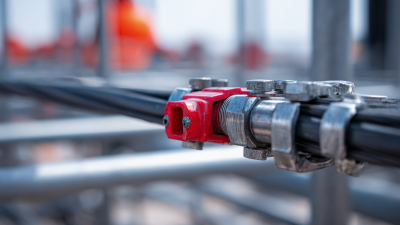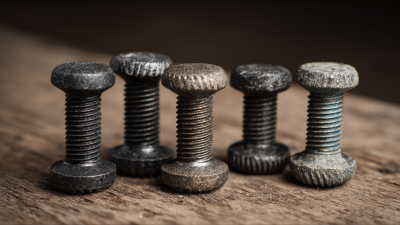
A Spherical Collar Hexagon Nut is designed to clamp parts when the bearing surface is slightly angled or uneven. Its rounded collar works with a matching spherical washer or seat, allowing the nut to sit more evenly than a flat-faced nut might. The hexagonal body gives a wrench a familiar, accessible grip. In a workshop, this can matter when a bracket, machine component, or fixture does not meet its mating surface at a perfect right angle.
The spherical contact can help spread clamping force and reduce edge loading, but it does not fix every alignment problem. It accommodates only the angular variation allowed by the matching hardware. That detail is easy to overlook. The nut and washer must be compatible, and the thread size, material, and strength rating must suit the assembly. Manufacturers’ specifications should guide selection and tightening; appearance alone is not enough.
You may encounter this nut in machinery, adjustable fixtures, or other assemblies that need a secure joint on an angled surface. Before installation, check that the spherical faces sit together cleanly and that the threads turn without binding. Dirt, damage, or a mismatched washer can prevent proper seating. The exact use depends on the component design, so consult the equipment documentation when available. A careful fit matters. When correctly matched and installed, a Spherical Collar Hexagon Nut can provide a practical clamping solution where a standard flat nut may not seat evenly.
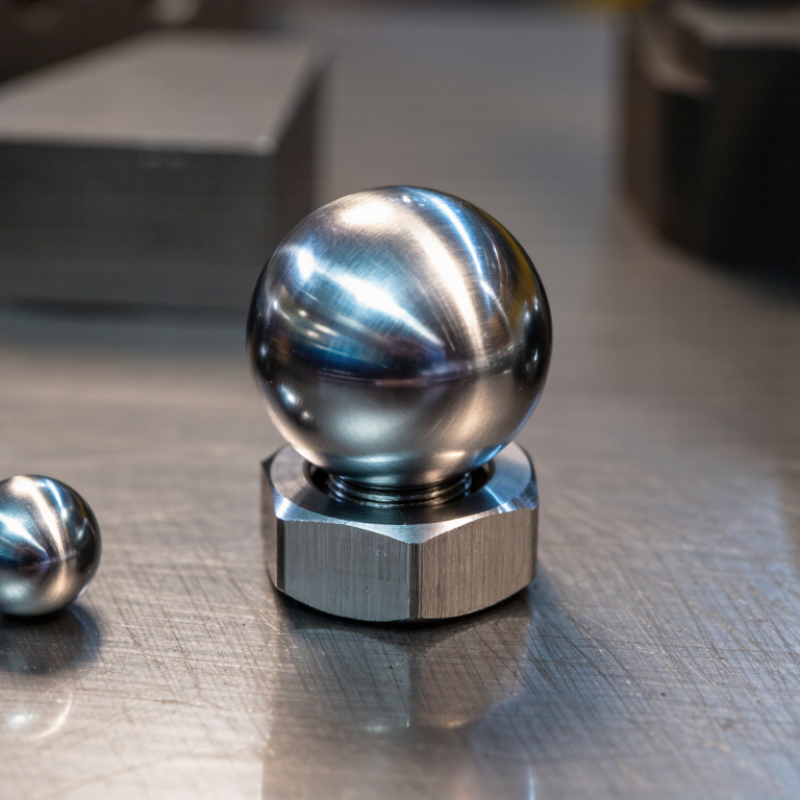
A spherical collar hexagon nut is a hexagonal nut with a curved, spherical bearing surface beneath its collar. The hexagonal sides accept a standard wrench, while the shaped underside seats against a matching spherical washer or concave surface. This pairing can accommodate limited angular misalignment and help keep the clamping load centered. It is not a substitute for correct alignment.
You may find this design in machinery, vehicle assemblies, and equipment where mating faces are angled or difficult to position precisely. Check that the collar radius matches its seat; a poor fit can concentrate pressure on a small area.
A practical inspection means checking contact, thread engagement, and the nut’s specified property class. ISO 898-2:2022 defines mechanical properties and proof loads for specified classes of nuts, so verify the applicable class rather than relying on appearance.
According to Grand View Research’s Fasteners Market Size, Share & Trends Analysis Report, the global fasteners market was valued at about USD 90.1 billion in 2023. That figure covers many fastener types, not spherical collar nuts specifically.
A useful reminder: large market figures do not replace part-level engineering checks.

A spherical collar hexagon nut has a curved bearing surface designed to sit against a matching spherical washer or seat. This pairing lets the nut accommodate a limited angle between the fastener and the clamped surface. As the nut tightens, the curved faces can settle together instead of loading only one edge. That can help keep contact more even on angled brackets, suspension links, and machinery joints. The nut does not correct every alignment problem. Without a matching seat, its collar may not provide the intended movement.
The geometry matters during tightening. A properly matched seat lets the nut pivot slightly while maintaining a broad contact patch; a mismatched or damaged seat can concentrate pressure and loosen the joint. NASA’s Fastener Design Manual, NASA RP-1228, notes that torque-controlled tightening can leave preload uncertain by roughly ±25%, with friction and tool accuracy affecting the result. That variation is a reminder: spherical seating helps with alignment, but it does not guarantee clamp load. ISO 898-2 also specifies nut proof loads by property class and size, so check the nut against the fastener and service load. I would not treat the curved collar as a cure-all. Inspect the mating surfaces, use the specified tightening method, and verify that the joint can tolerate the small angular movement.
A spherical collar hexagon nut is used where a fastener must seat against a matching curved recess. The shape helps center the nut and spread clamping force across the contact surface. A common application is wheel fastening, where the wheel’s seat is designed for a spherical profile. It is not interchangeable with a conical-seat nut. That small mismatch matters: poor seating can reduce contact area and allow the joint to loosen under vibration.
The nut also appears in vehicle assemblies and equipment where the design specifies a spherical seating face, including some suspension and machinery connections. Selection depends on seat radius, thread size, material, and the manufacturer’s specified tightening torque. OICA’s 2023 production report recorded about 93.5 million motor vehicles produced worldwide, showing the scale of the vehicle-manufacturing sector, though it does not measure use of this particular nut.
Fit the nut only to a matching seat, and inspect for damaged threads or a flattened collar before installation. A quick visual check helps, but it cannot confirm the correct seat geometry. That is easy to overlook.
A spherical collar hexagon nut must sit against a matching spherical seat; the curved surfaces center the joint as the nut tightens. Check that the nut, seat, and bolt threads are clean and undamaged. Start the nut by hand to prevent cross-threading. Keep it square. If it binds early, stop and inspect rather than forcing it. A mismatched seat can create uneven contact and loosen under vibration.
Tighten the nuts gradually in a crisscross pattern, then apply the specified final torque with a calibrated torque wrench. Use the equipment maker’s torque value; thread condition and lubrication affect clamping force. NASA’s Fastener Design Manual, Reference Publication 1228, explains that torque-based preload can vary by roughly 25 percent, largely because of friction. That is a meaningful margin, not a reason to guess higher. Avoid using an impact wrench for final tightening, and recheck only if the application instructions call for it. The awkward detail is often the seat match: it is easy to focus on the hex head and overlook the curved contact surface.
A spherical collar hexagon nut is used with a matching spherical seat, helping the fastener seat correctly where that design is specified. Check that the nut’s seat matches the mating component; do not substitute a flat-seat nut or washer unless the application specifies it.
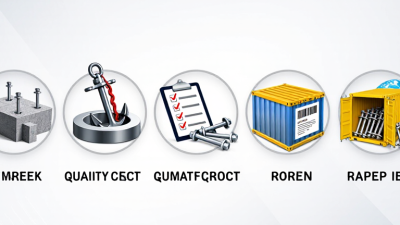
The chart shows a typical installation order. Its numbers indicate sequence only—not torque values or installation times. Tighten to the specification for the particular fastener and assembly.
A spherical collar hexagon nut is used where a fastener needs to seat against a curved or slightly misaligned surface. Its rounded collar works with a matching spherical washer or seat, helping the joint make stable contact instead of bearing on one edge. You may see this arrangement on equipment frames, brackets, or assemblies with angled mounting faces. Fit matters. The nut is not a cure for badly misaligned parts.
When selecting one, check the thread diameter and pitch first; a nut that starts easily can still have the wrong pitch. Match the collar radius to the mating seat, since a mismatch can concentrate pressure and loosen the joint. Consider the required load, the bolt’s strength, and the nut’s material. In damp or corrosive settings, compatible corrosion-resistant materials may matter more than appearance. Also check available clearance for a wrench and the nut’s height. Small details count. Follow the assembly drawing or supplier’s torque guidance, especially for vibration-prone equipment. I have found that “close enough” dimensions can feel convincing during hand fitting, but that is not a reliable test; verify the specifications before installation.