2026 Top Lock Nuts Buying Guide for Global Buyers
In the world of manufacturing and construction, selecting the right fasteners is crucial. Lock nuts, a vital component, provide enhanced reliability and security. This guide aims to assist global buyers in navigating the complexities of lock nuts. It emphasizes quality, durability, and application-specific needs.
Lock nuts are designed to prevent loosening in dynamic conditions. Their various types cater to different requirements, such as vibration resistance. However, choosing the wrong type can lead to failures. Buyers should consider the material, size, and specific characteristics that suit their projects.
The demand for lock nuts continues to grow globally. Understanding the nuances can enhance purchasing decisions. Engage with trusted suppliers and manufacturers. This ensures you receive high-quality products that meet international standards. Beware of imitations that may not deliver the promised performance. This guide serves to empower you with knowledge, offering insight into effective lock nut selection.
Understanding Lock Nuts: Definition and Types
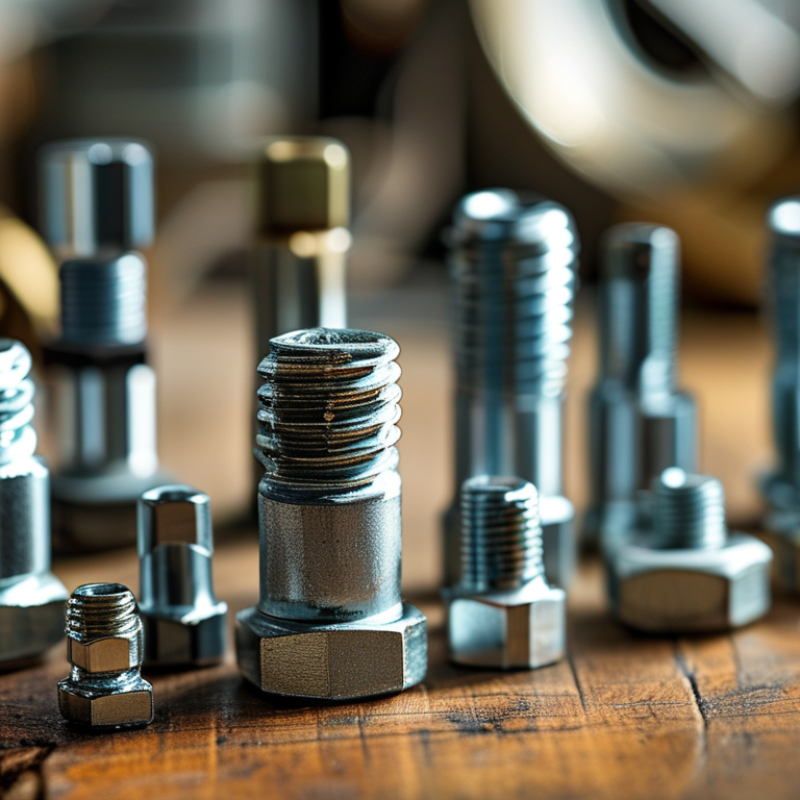
Lock nuts play a critical role in mechanical assemblies. They are designed to prevent loosening due to vibration or torque. Understanding their definition and types is essential for making informed purchasing decisions. A lock nut can be defined as a nut specifically engineered to resist rotation under adverse conditions.
There are several types of lock nuts available. Nylon-insert lock nuts have a nylon collar that grips the threads, providing friction. Another common type is the prevailing torque lock nut, which creates tension through deformation. Flanged lock nuts offer increased surface area for better load distribution. Each type has its unique advantages, making it crucial to select the right one based on your application.
Selecting the appropriate lock nut is not always straightforward. It requires consideration of factors such as load type, material compatibility, and environmental conditions. Buyers often overlook these aspects, leading to premature failures. Understanding the characteristics of each type can prevent costly mistakes. Prior experience can be invaluable. If unsure, consulting with an expert can help clarify the best options.
Key Factors to Consider When Buying Lock Nuts
When purchasing lock nuts, understanding key factors is essential. The global market for lock nuts is projected to grow significantly, reaching around $5 billion by 2026. This growth reflects their increasing use across various industries, from automotive to construction.
One critical factor to consider is the material of the lock nuts. Common materials include steel, nylon, and brass. Each type has distinct characteristics. For example, steel is robust and resistant to deformation, while nylon offers lightweight and corrosion resistance. Selecting the right material affects durability and performance in specific applications.
Another aspect to evaluate is thread size and pitch. These specifications determine compatibility with bolts and fasteners. A mismatch can lead to failure in applications, raising safety concerns. Conducting thorough research on your requirements and testing under realistic conditions can mitigate risks.
For optimal results, consider the environment of use. High-temperature or corrosive conditions require specialized lock nuts. Many buyers overlook this aspect, leading to premature failure. Regularly review fastener performance and be prepared to adjust your choices based on real-world usage.
Top Manufacturers of Lock Nuts in 2026
In 2026, the lock nut market is expected to feature several leading manufacturers who prioritize innovation and quality. These companies invest in advanced technology to enhance the durability and reliability of their products. They understand the importance of precision in manufacturing, ensuring that each lock nut meets strict industry standards.
Key manufacturers often focus on different sectors. For instance, some specialize in automotive applications, while others cater to the aerospace industry. This specialization allows for tailored solutions that address the unique needs of various clients. Professionals in these fields often rely on the expertise and reputation of these manufacturers when making purchasing decisions.
However, there are challenges in selecting the right supplier. The rapid pace of innovation means that new entrants may disrupt the market. Buyers must remain vigilant and informed. Some manufacturers may not meet expectations despite strong claims. Regularly reviewing supplier performance is essential for maintaining quality standards. In an ever-evolving industry, staying updated is crucial for making informed buying decisions.
Lock Nuts Market Analysis 2026
Global Market Trends for Lock Nuts in 2026
The global market for lock nuts is experiencing notable shifts heading into 2026. Recent reports indicate a projected growth rate of approximately 5.3% annually. Increased demand for lock nuts in various sectors, including automotive and construction, is driving this growth. Companies look for locking solutions that ensure reliability and safety.
Asia-Pacific is set to dominate the market. This region accounted for over 40% of the total share in 2023. Factors such as rapid industrialization and urbanization contribute to this trend. However, challenges exist. The market faces fluctuating raw material prices and increasing competition, which may hinder projected growth.
Consumer preferences are evolving. There is a rising inclination towards custom solutions and eco-friendly materials. Despite this positive trend, some buyers express concerns about quality consistency. Maintaining manufacturing standards is crucial. Industry experts emphasize the importance of compliance with international standards and certifications, which can enhance product reliability.
Best Practices for Installing and Maintaining Lock Nuts
When installing lock nuts, precision is crucial. Ensure that the threads are free of debris. Any dirt can compromise the nut's effectiveness. Use a torque wrench to achieve the proper tightening force. This step prevents over-tightening, which could strip the threads. Employing a systematic approach helps maintain the integrity of the fastening system.
Regular maintenance is crucial for long-lasting performance. Inspect lock nuts periodically for wear and tear. Look for signs of rust or corrosion, as these can weaken the connection. If a nut appears damaged, replace it immediately. Keeping a close eye on components will save you from future headaches.
Think about your installation environment. Factors like temperature fluctuations can affect the performance of lock nuts. In harsh conditions, consider extra protective measures. A little foresight can prevent costly repairs down the line. Reflect on your installation practices regularly. There’s always room for improvement.